
Alcohol and Appetite: Why Drinks Affect Your Hunger and Cravings
Not everyone drinks alcohol, and if you choose not to, this conversation still gives helpful insight into how alcohol works in the body. This is not encouragement to drink. It is simply information that helps you understand why appetite and cravings often change when alcohol enters the picture. Since the holidays bring more opportunities for drinking, whether at gatherings, New Year celebrations, or sports events, live or on television, this is the time of year when people might notice these effects more.
Alcohol is a drug. It is legal, of course, but it is still a drug that affects your central nervous system. Alcohol is classified as a depressant, which means it slows activity in the brain and nervous system. This does not automatically mean a person feels sad or depressed. That’s not what is meant by “depressant” here. Instead, in this context, it means that it reduces inhibition and delays reaction time. “Depressing” our responses. Alcohol is also a toxin and a known carcinogen. That means the body prioritizes getting it out of your system because it cannot be stored, and that medications and nutrients will take a backseat in getting metabolized when alcohol is in line. This is different from the fear people often have around sugar or specific foods being “toxic.” Those are not toxins. Alcohol is.
Even with that knowledge, many people drink. During the holidays, the combination of tradition, social connection, and routine makes it easy to find yourself with a drink in hand. Whether it is a single glass of wine or several rounds with friends, alcohol changes how the body behaves. A big part of that change is appetite.
Why Alcohol Increases Hunger and Cravings
A lot happens behind the scenes when alcohol enters your bloodstream. First, the body rushes to metabolize alcohol because it sees it as something that needs to be cleared quickly. While this is happening, other processes slow down. Your liver shifts its attention to metabolizing alcohol rather than maintaining steady blood glucose levels. When blood glucose drops, hunger signals naturally increase.
Alcohol also relaxes the parts of the brain that help with impulse control. That is why a small craving can become a big one after a drink or two. The filter that usually says I am satisfied or I do not really want that right now becomes less effective. If food is nearby, especially salty or high-fat foods, the combination of low inhibition and shifting glucose levels makes them more appealing.
Hormones also play a role. Alcohol can reduce leptin, which is a hormone that helps you feel full. Lower leptin levels leave you feeling hungrier than you would expect based on what you have eaten. At the same time, alcohol can stimulate appetite in general, which is why a drink before dinner has historically been used as an aperitif.
On top of that, alcohol simply pairs well with food. It increases the desire for snacks and meals because the sensory connection is familiar and rewarding. None of this means something is wrong with you. It means your body is responding exactly as it was designed to.
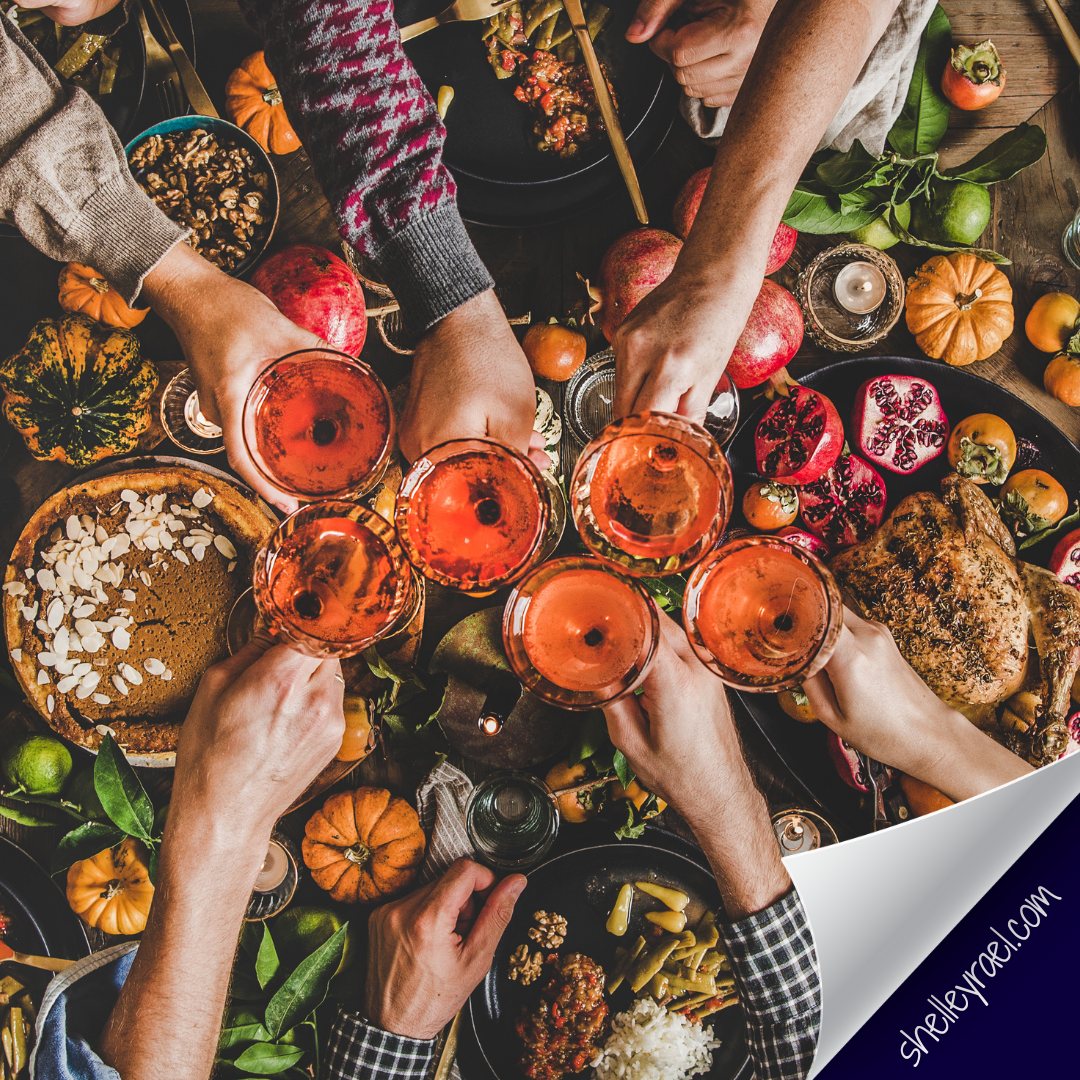
The Calories in Alcohol
No type of alcohol is “healthier” or better in terms of calories. Alcohol itself contributes calories, regardless of the source. Beer, wine, cider, spirits, and mixed drinks all provide calories, and the numbers add up faster than people realize.
Alcohol provides calories independent of carbohydrates, fat, and protein. It is not a nutrient, but it still has energy. Alcohol provides about 7 calories per gram, which makes it closer to fat in calorie density (fat has 9 calories per gram, while protein and carbohydrates have 4 calories per gram) than any other nutrient. This is why low-carb drinks are not especially meaningful. Most spirits are already extremely low in carbohydrates, so claiming to be low-carb is mostly a marketing tactic.
Here are some general calorie examples to give perspective:
Beer – per 12 – 16 fluid ounces
Light beer: around 90 to 110 calories
Regular beer: around 140 to 180 calories
Craft or high ABV beers: often 200 calories or more
Wine
Five-ounce glass of wine: around 120 to 130 calories
Sweeter wines can be higher
Cider
Usually 150 to 200 calories per bottle or can – assuming 12 – 16 fluid ounces
Spirits
One and a half ounces (one shot) of vodka, gin, tequila, rum, whiskey, or bourbon: around 95 calories
The calories increase when mixers are added
Mixed Drinks
Vodka tonic: around 140 to 160 calories
Martini: around 160 to 200 calories depending on size
Old-Fashioned: around 150 to 180 calories
Eggnog with alcohol: easily 300 calories or more
Trending seasonal drinks often include syrups, cream liqueurs, or sweet mixers. These can range from 200 to 500 calories, depending on the recipe.
None of these numbers is meant to prompt calorie counting. They are simply information that helps you understand why certain drinks can increase both hunger and overall energy intake.
Tips for Managing Hunger and Cravings
Mindfulness is the key here. You do not need strict rules. Instead, you can use strategies that help you stay aware of how alcohol influences your choices.
Eat before you drink.
Starting with food helps stabilize blood glucose levels and helps minimize the rapid hunger dip that can follow your first drink.
Stay hydrated.
Alternating alcohol with water helps you stay hydrated and slows the rate at which you drink, which naturally reduces overeating. Alcohol increases fluid loss, so water helps keep the balance.
Choose drinks with intention.
Pick what you enjoy, rather than chasing low-carb or low-sugar labels. You are better off with something satisfying than something you only drink because it sounds healthier. And distilled spirits don’t have any carbs or sugar to start with.
Keep snacks balanced.
Include protein or fiber when possible. It helps with satiety even when inhibitions are lower.
Pause before grabbing food.
A quick check-in with yourself can help you distinguish actual hunger from impulse.
Remember that cravings are not failures or lack of self-control. They are part of the way alcohol interacts with the body. They are normal.
Awareness Without Guilt
This is not about judgment or tracking every sip. It is about understanding how alcohol affects your appetite so you can make choices that support how you want to feel. Alcohol influences hunger, cravings, and calorie intake, and knowing that gives you options. You do not have to avoid holiday drinks. You can simply approach them with a little more awareness. Cheers!
Next in this series is Holiday Hydration and how alcohol fits into the bigger picture of staying well during the season.