Real World Nutrition News You Can Use
There is a lot of misinformation about nutrition. And nothing in this field is black-or-white, yes-or-no, but many shades of gray and a lot of “it depends.” So, my goal is to help clear up some of that misinformation with some snark, entertainment, and facts (with some opinion thrown in).
Many of these topics come from interactions with the public, friends, clients, and students. I see sheer misinformation about the science of nutrition, and I do my best to clear things up one blog post at a time.
If you have a topic you are wondering about, let me know.
Looking for a specific topic? Search to see if it is already here.
Planning a Balanced Diet
So often, I hear people ask, “how can a vegetarian get enough protein in their diet?”
I am not a vegetarian myself, but I know many people who are, and I teach college nutrition classes, which is a pervasive question.
Now, here is the deal:
ALL people can have an adequate diet is most nutrients no matter what eating pattern they choose.
And ALL people can have a diet deficient in many nutrients no matter what eating pattern they choose.
Protein - Plant vs. Animal Sources
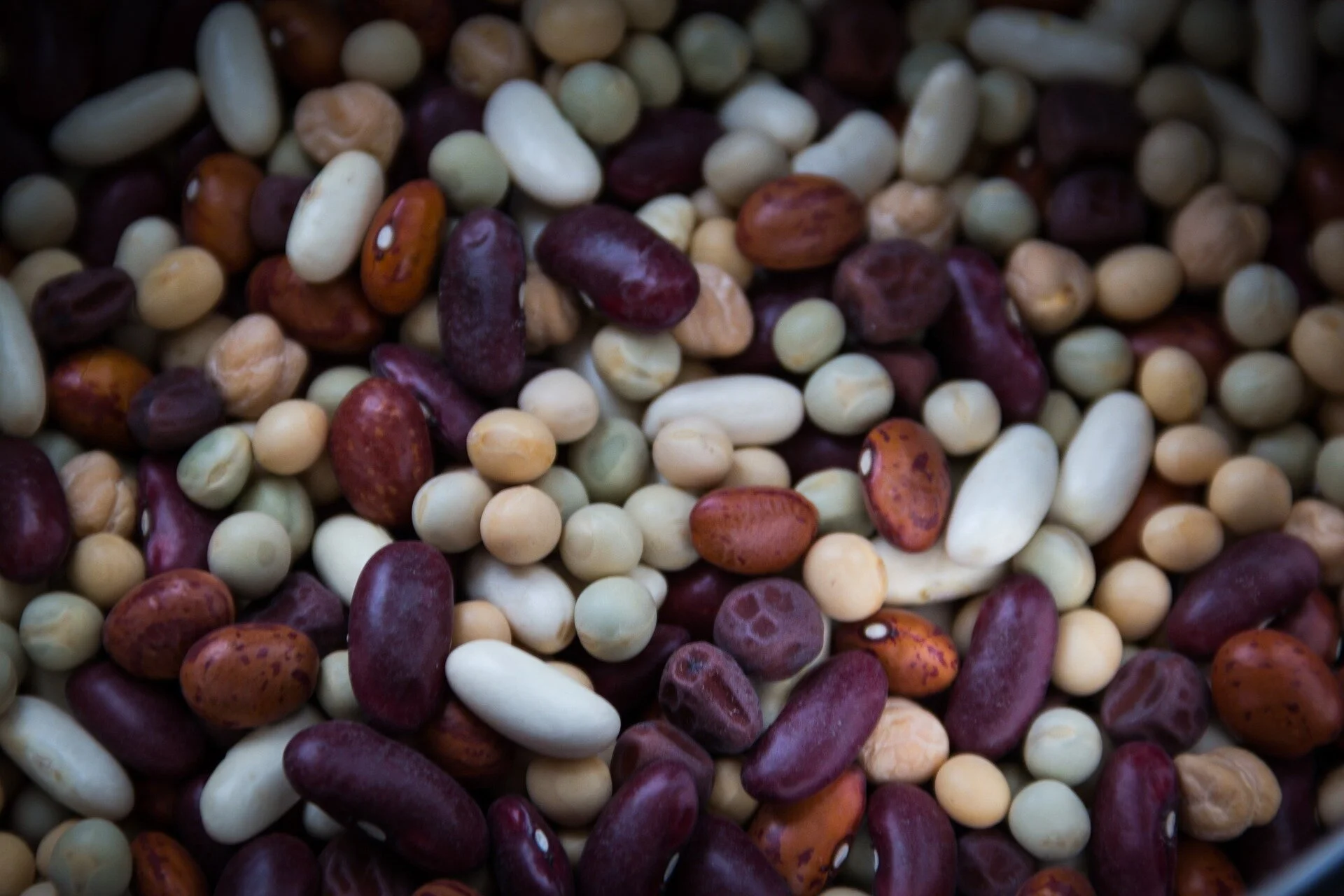
Based on what people tell me, they often think that the only way to get protein in their diet is to eat meat or drink protein shakes.
And, yes, this is still true today that people think this.
How do I know? I teach nutrition at my local college, including a sports nutrition class.
Every single term, students are shocked to learn they can get protein from foods other than meat! Of course, some students know otherwise, but I am not overstating or exaggerating when I say that students, and likely the larger population, don’t know that there are plenty of food sources of protein. And meat isn’t the only source.
Coffee Is Okay
Growing up in the mid-70s and 80s, I remember commercials for decaf coffee: “only half a cup for me” and “I’m not a doctor, but I play one on tv….” I hadn’t started consuming coffee when these commercials aired, but something told me that I shouldn’t drink a lot of coffee, if at all, once I became “of age.”
However, once I started on coffee, regular, fully leaded coffee, I was hooked. I like it. I find it to be comfort food.
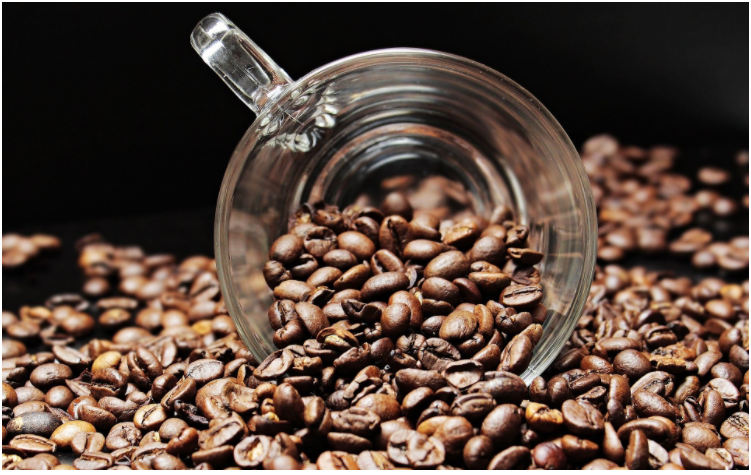
Coffee, Caffeine, and Energy Drinks
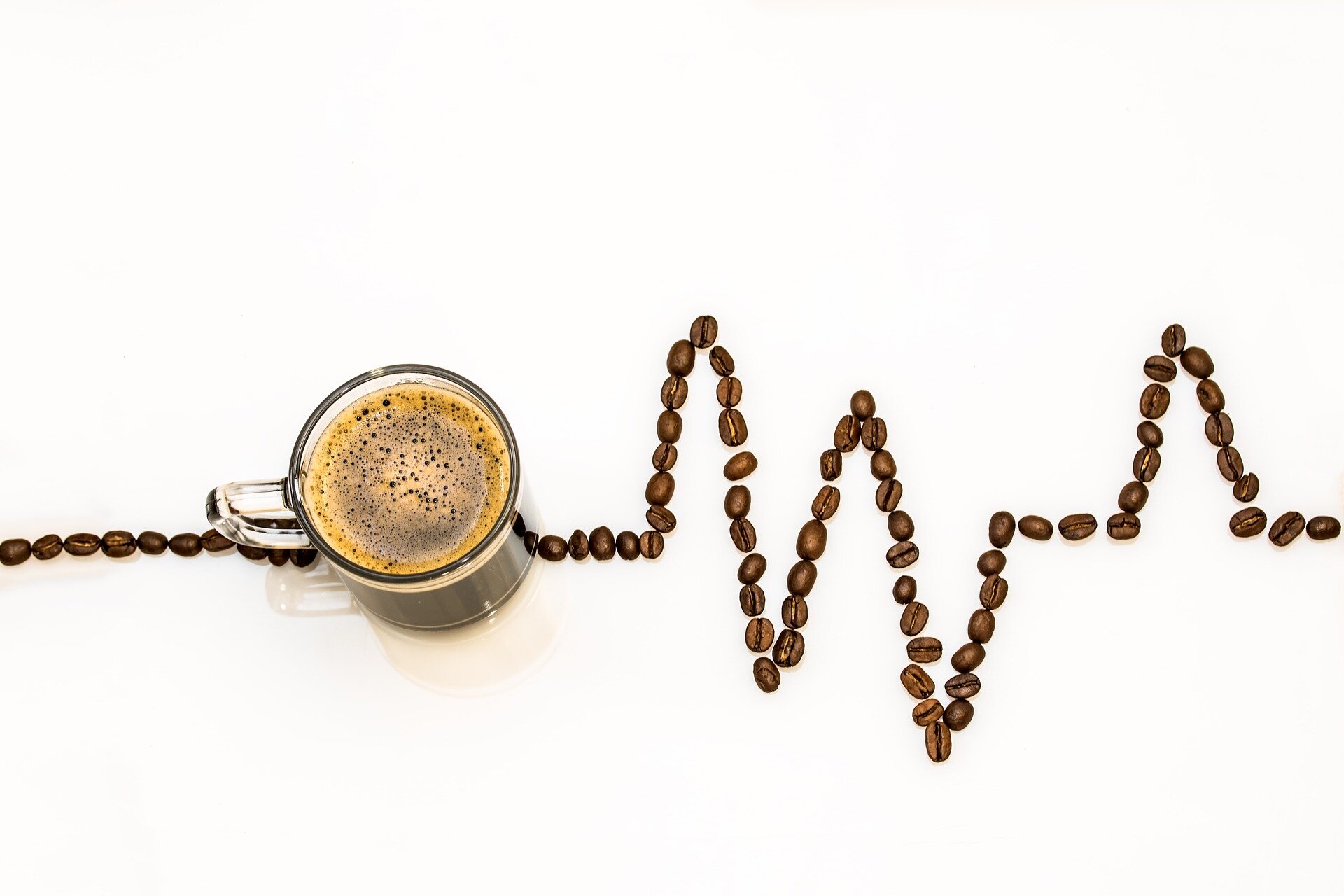
While I will often think of and consider the beverage of coffee and the stimulant drug caffeine as interchangeable, they are not the same things.
Coffee is the most common medium for caffeine delivery, but there are plenty of other sources.
And, yes, it is a drug. A widely used, acceptable, and legal stimulant consumed around the world.

Plant-Based vs. Vegetarian - What’s the Difference?
Several years ago, someone asked me if I promote a plant-based whole foods diet?
I responded, “of course, I promote plant-based diets, and I don’t care where you shop for your food.”
I don’t think she understood that I don’t care about shopping at Whole Foods – I get my groceries from a convenient place and won’t drive across town for overpriced food.
But then this same person got offended when I did a post about the health benefits of eggs and the nutrients they have.
Who’s Umami?
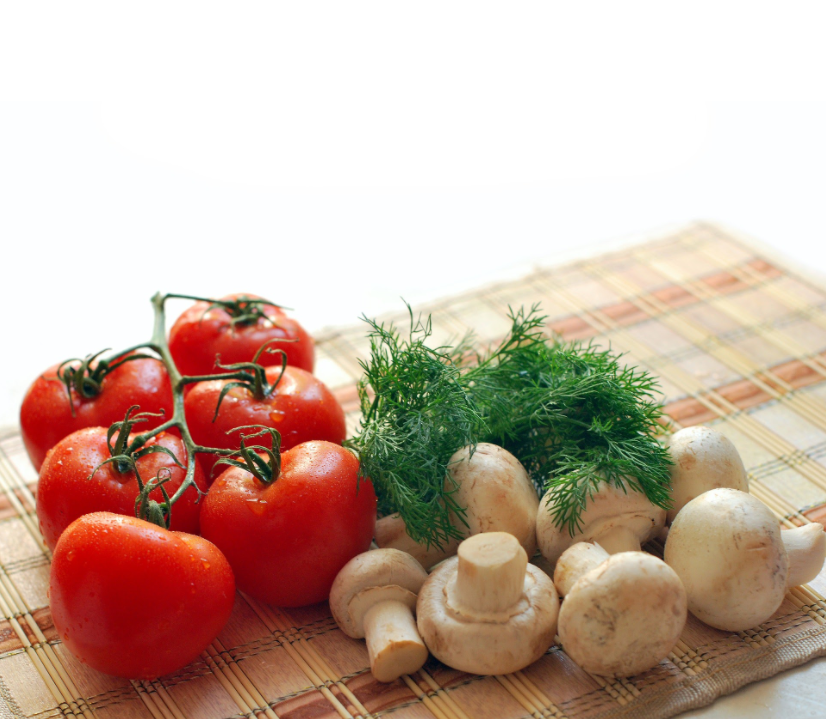
Many people grew up to know about the four tastes: sweet, sour, bitter, and salty. But did you know about the fifth taste? It has always been there along with the other four, but most people still don’t know about this fifth one. Since most of us can identify something sweet (sugar), sour (lemon), bitter (coffee), and salty (salt). The fifth taste is more challenging to describe.
Go With (Whole) Grains
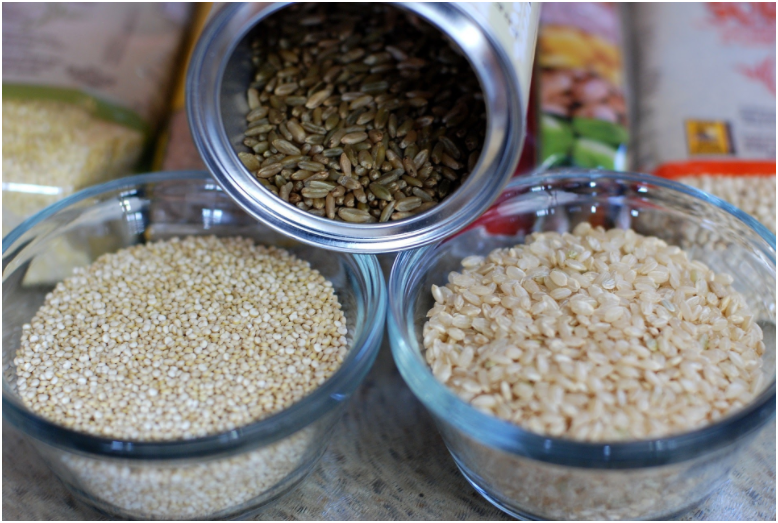
One of the things I hear is that people think that grains are wholly unnecessary in the diet. Lots of things are entirely unnecessary, like wine, potato chips, and caramel. That doesn’t mean that we throw them out entirely unless you are a heretic.
The big difference between the grains and the wine, potato chips, and caramel is their nutrients. Grains, especially whole grains, have a LOT of nutrients and not just “carbs.
Is Honey Healthier Than Sugar?
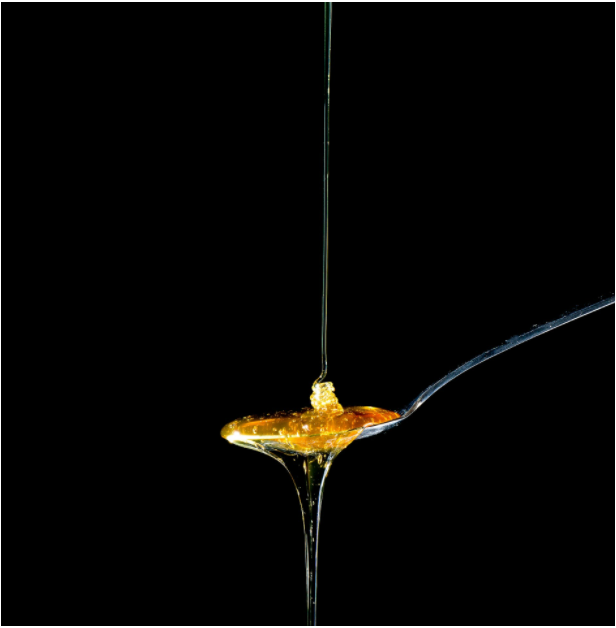
People often believe honey is a healthier alternative to sugar, that it is loaded with nutrients, and can help alleviate seasonal allergies. While this all sounds great, is it really true? This blog post dives into the facts about honey and the health halo surrounding it.
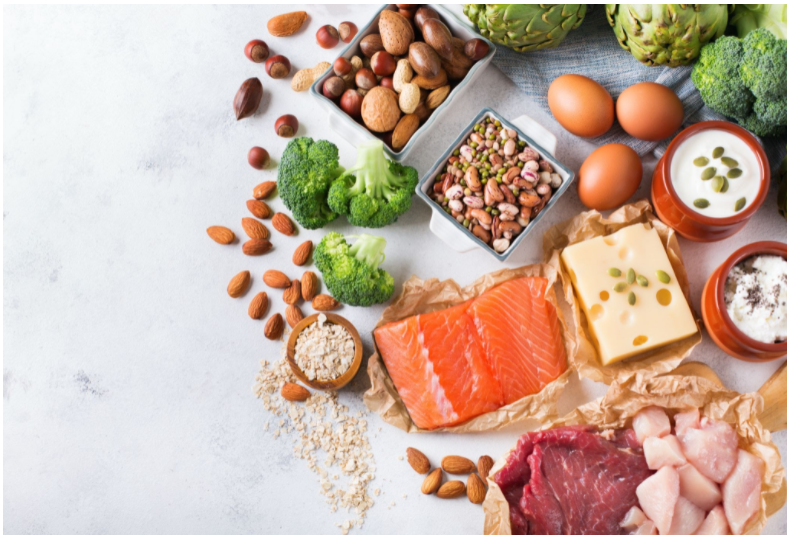
Protein: A Nutrient and A Food Group
One of the more considerable challenges in conversation about nutrition is when people classify nutrients as a food group.
For example, when people refer to carbs and how bad they think they are and believe they shouldn’t eat them. I am surprised that people think we should not eat any fruits, vegetables, or beans?
Because carbs are a nutrient. And the nutrient carbohydrates include fiber, starch, and various sugars.
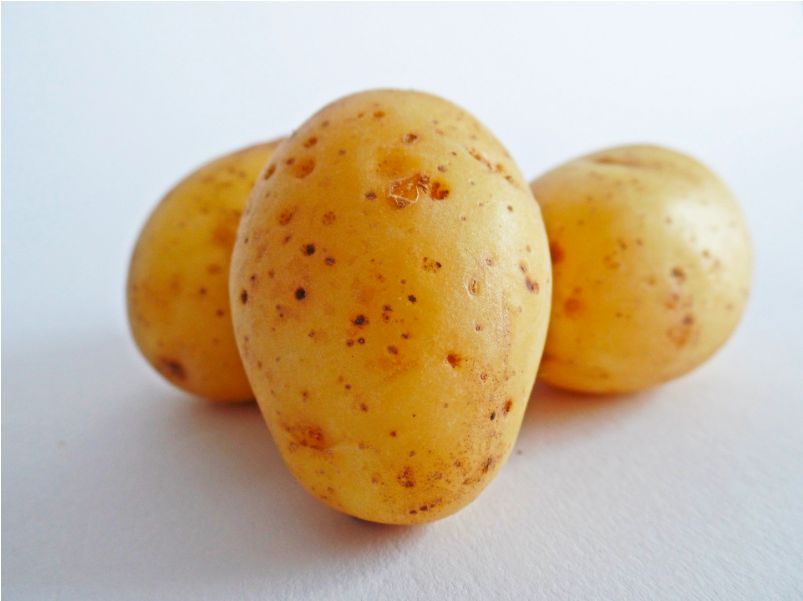
Big Bad Potatoes?
Have you ever heard of any of these statements about potatoes?
Potatoes are the same as just eating sugar.
Potatoes are full of sugar.
Potatoes turn to sugar.
All are saying the same thing – and I tend to roll my eyes when I hear this. Like many things regarding nutrition, there is a little bit of truth to this, but not really.
Hunger or Habit?
Today I pose this the question that many people have difficulty answering: are you eating out of habit or hunger?
First, why do people eat? Silly question, sure. But think about it. We eat out of necessity – humans need food to survive – because we cannot exist on air or water alone despite some people who claim otherwise.
Break this Rule
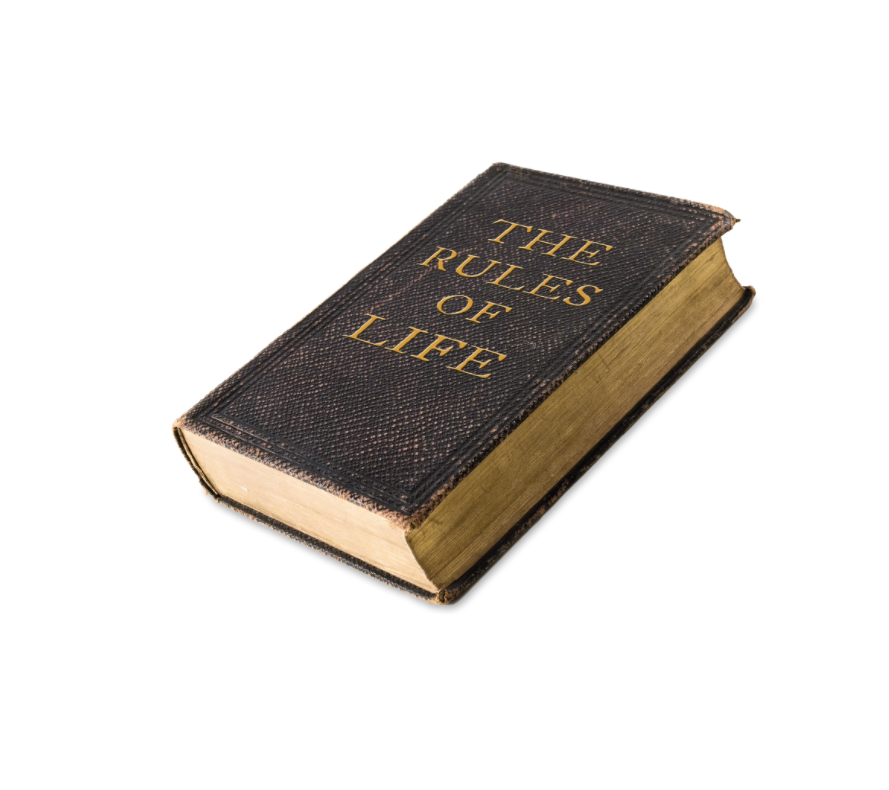
If you can’t pronounce it, you can still go ahead and eat it most of the time. One of the more ridiculous “food rules” I have seen is “if you can’t pronounce it, don’t eat it.” Just because someone cannot pronounce something doesn’t mean it is “bad” or unhealthy. I mean, people have a duodenum, and people don’t pronounce that right half the time.
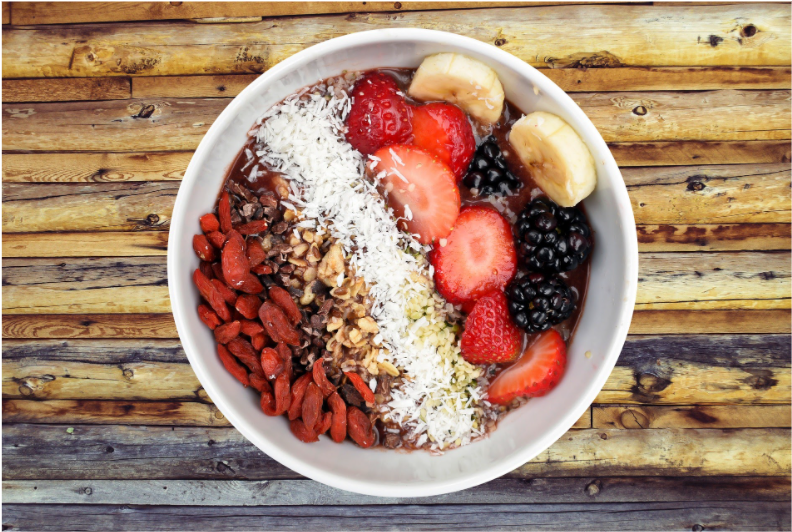
Ready for Breakfast?
You’ve heard it, “breakfast is the most important meal of the day,” but is that true? I have no idea. I find all meals are important. Of course, there are benefits to eating breakfast, but there is no way I will shame someone if they are a breakfast skipper.
Mindless Eating and Mindful Eating
Have you heard these terms: mindless eating and mindful eating? Even if you knew of these terms, you might not know the meanings or the absolute difference.
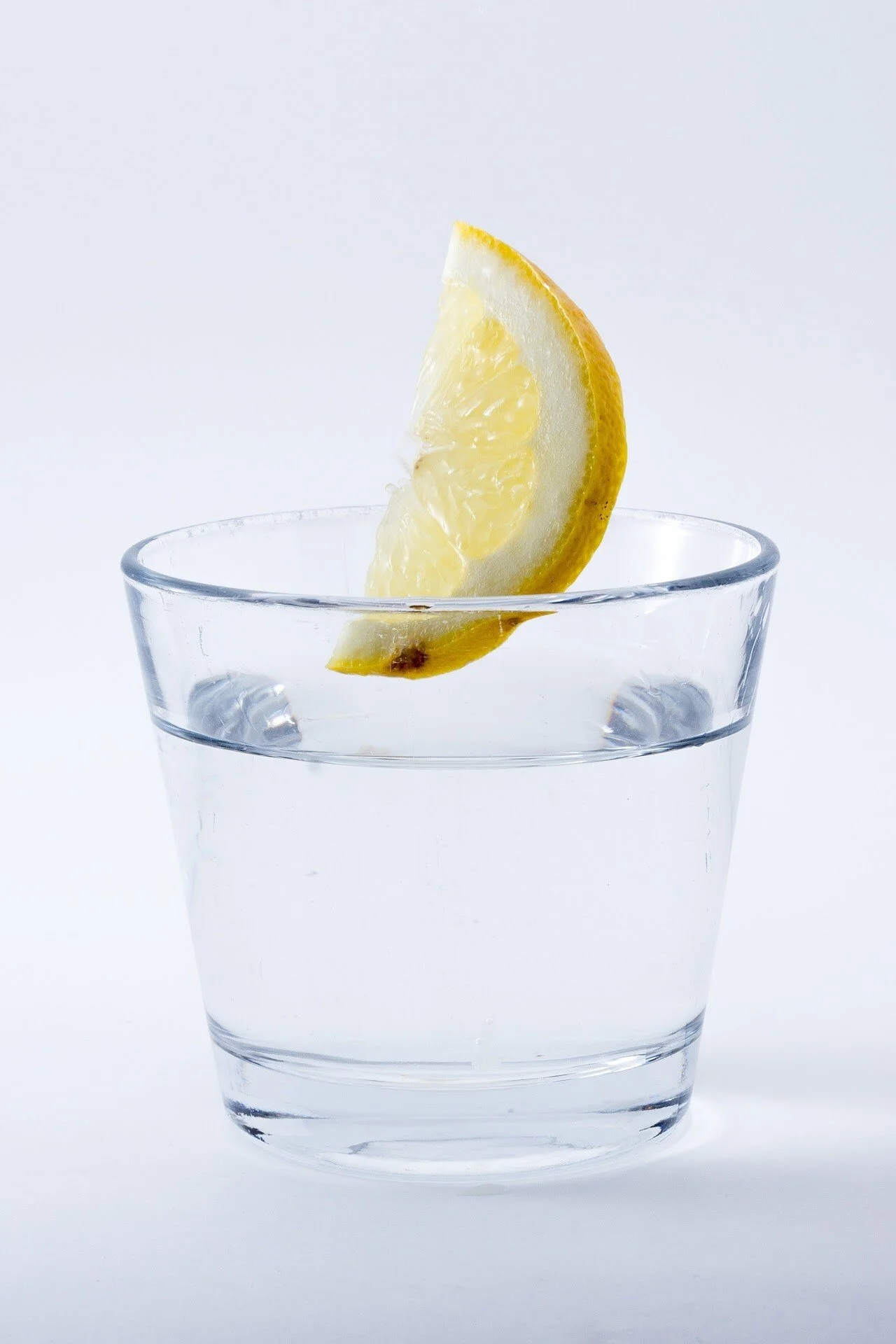
What counts as water?
One of the more common nutrition questions I get is, “how much water should I drink?”
Along with that question is what “counts” as water and what doesn’t?
First thing: that adage of eight glasses of water a day? No one can find the origin of it. So ignore that.
Most adults need anywhere from 1450 ml – 2,800 ml of fluid per day for body function. That is roughly 48-96 ounces. BUT we do not need to get that from drinking water only. About half of that can come from food, and about 15% comes from body processes, including metabolism.
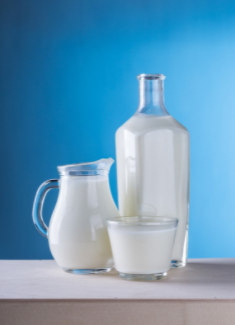
So many “milks” - are they healthy?
If you have been to the back of the grocery store lately, you surely have seen the explosion of dairy alternatives alongside the dairy options.
However, something that many people don’t realize is that these are not healthier options. They are not nutritionally equivalent, and most are nothing more than flavored sugar water with thickeners, added fat, sugar, salt, and vitamins in mineral blends to make it close to milk. And protein is virtually non-existent in many of these.
While many of these are called “milk,” let’s clarify that milk is a nutrient-rich liquid food produced by the mammary glands of mammals. And most people know that nuts, legumes, and hemp do not fall into the category of mammals.

Muscle Weighs More Than Fat, Right?
Does muscle weigh more than fat?
No, it does not.
You have probably heard this and may have even said it. In your life: "muscle weighs more than fat."
NOT true.
People will argue with me about this, I get push-back on this, and you may have already given up reading this because I am wrong. But I am not.

Butter In Your Coffee - Is It Worth it?
Bulletproof coffee will give you energy, sure, but what else will it give you? Lots of calories with virtually no nutrition.
If you have not yet heard of “bulletproof” coffee, the practice of putting butter and other fat in your coffee, let me give you the background and some of the details. When I first heard of this trend, I hoped it was a joke, but as with many over-the-top nutrition fads, it is not.

Diet, Weight Loss, and the Dietitian
As a dietitian, I talk to people all the time about their diet. But in my experience, the word “diet” is sometimes viewed as offensive, occasionally polarizing, and often misunderstood.
It is a four-letter word that starts with DIE. Yikes. But we can manipulate all kinds of words to have a particular meaning, right? I mean, the word LIVE is EVIL spelled backward, which means what? Nothing.
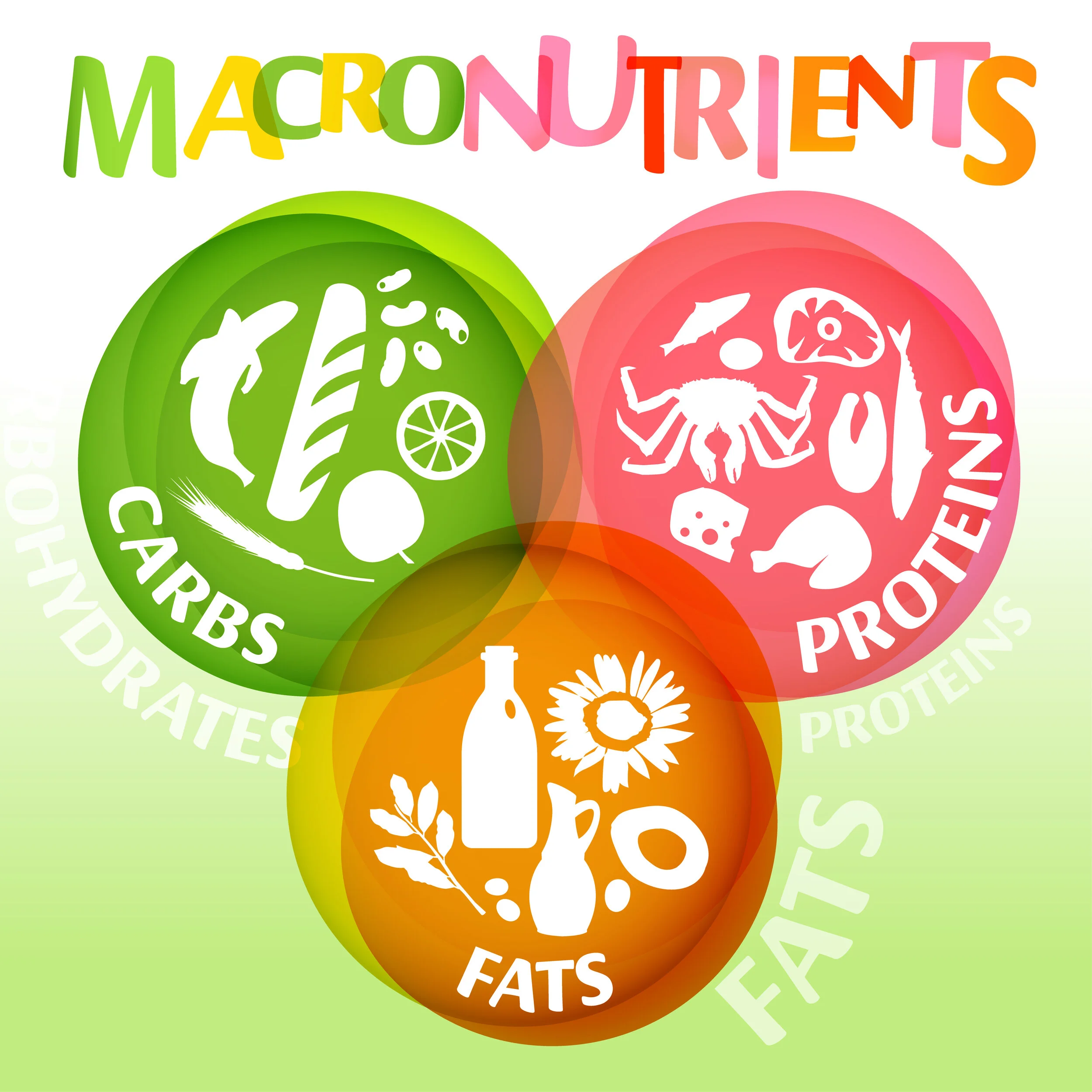
Counting Macros? What are they anyway?
In the science of human nutrition, calories are the measure or units of energy that we need, and they come from food (and beverages). There are four sources of calories in human nutrition. Three are nutrients, and the fourth is not.
We call these three nutrients that provide calories “macronutrients” because they are necessary or essential nutrients in large quantities relative to the “micronutrients,” which are vitamins and minerals.