Real World Nutrition News You Can Use
There is a lot of misinformation about nutrition. And nothing in this field is black-or-white, yes-or-no, but many shades of gray and a lot of “it depends.” So, my goal is to help clear up some of that misinformation with some snark, entertainment, and facts (with some opinion thrown in).
Many of these topics come from interactions with the public, friends, clients, and students. I see sheer misinformation about the science of nutrition, and I do my best to clear things up one blog post at a time.
If you have a topic you are wondering about, let me know.
Looking for a specific topic? Search to see if it is already here.
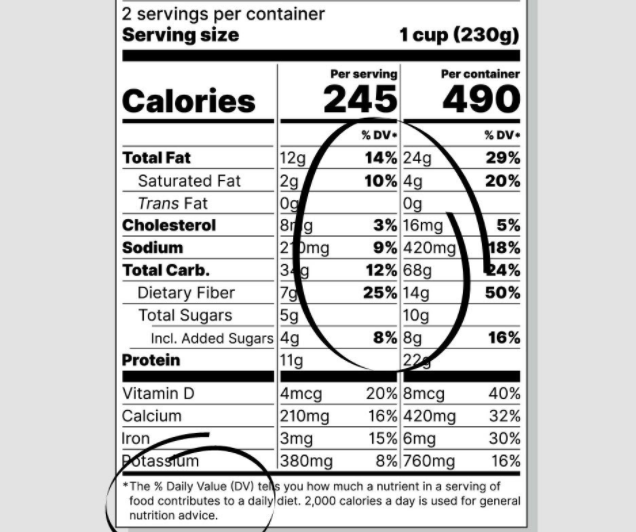
Nutrition Facts Panel, Part 4: % Daily Values and Other Information
Wrapping up this Nutrition Facts series, it covers all the information at your fingertips on most of your foods. This entry covers those percentages on the right side of the Nutrition Facts panel, how this may apply to you, and how you can use it even if those numbers aren't in line with your specific needs.
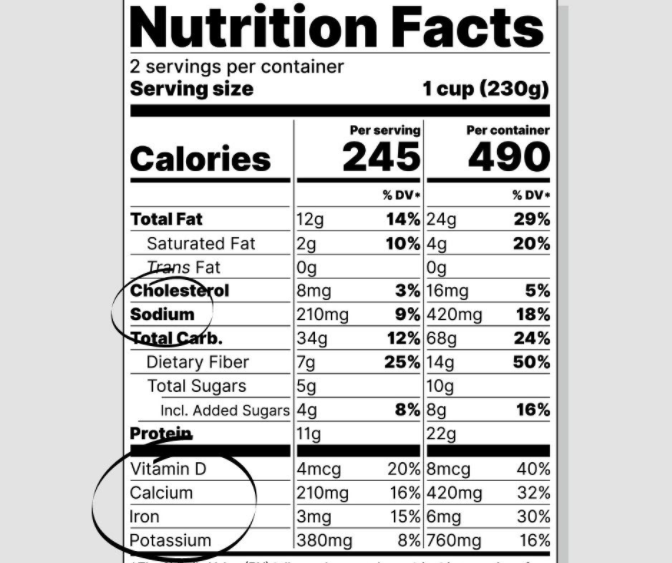
Nutrition Facts Panel, Part 3: Sodium, Potassium, and Other Vitamins and Minerals
Continuing with part 3 of this series on the Nutrition Facts label addresses the required vitamins and minerals: vitamin D, sodium, iron, calcium, and potassium. Why are these nutrients the ones listed? What are the reference amounts are for them?
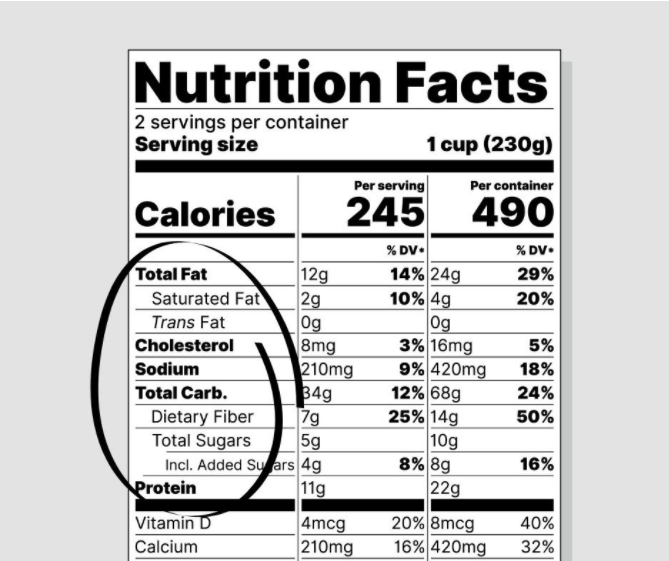
Nutrition Facts Panel, Part 2: Fats, Cholesterol, Carbohydrates, and Protein
Continuing with part 2 of this series on the Nutrition Facts label covers the macronutrients: fat, carbohydrates, and protein. I also address the sub-categories of fat including saturated fat and trans-fat, cholesterol, and the sub-categories of carbohydrates including the newest addition to the Nutrition Facts - added sugars.
See why those numbers don’t always add up and why protein seems like an afterthought. It isn’t
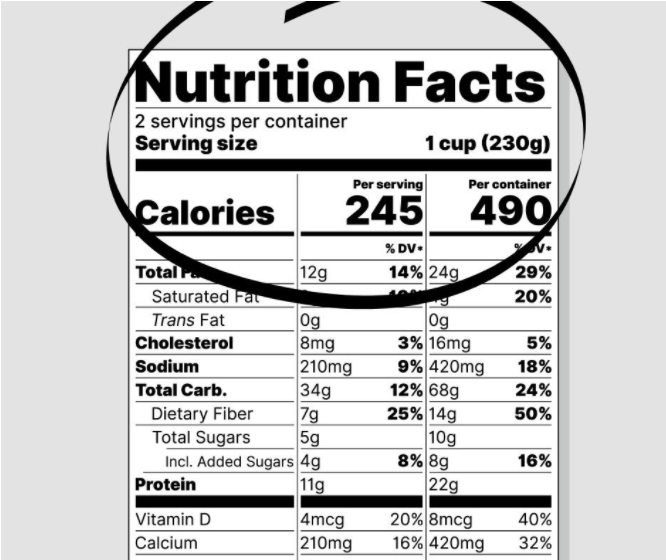
Nutrition Facts Panel: Serving Sizes, Servings Per Container, and Calories
As I showed in Part 1 of Deconstructing Food Labels, one of several required information on the food label is the Nutrition Facts panel.
This required piece of information in the iconic black and white Arial font was required since May 1994, with a minor update that trans-fat be listed on labels by January 1, 2006.
Over the next several years, recommended tweaks and refinements to that label brought forth a "new and improved" label that was required starting January 1, 2020, with some leeway of another year for smaller companies for compliance by January 1, 2021.
While the Nutrition Facts panel is an excellent source of information, people don't always know what to pay attention to or how it applies to them. Others find it confusing or misinterpret the information on there.
Deconstructing Food Labels – Part 4 GMO Labels
Concluding the topic of food labels today addresses GMO labels, what this means, and should you pay extra for foods with this label?
While one would think that the label non-GMO is factually correct, this is not true. And just because a food has this label doesn’t mean the same food from a different company IS GMO.
This is part 4 of the series, Deconstructing Food Labels.
Deconstructing Food Labels – Part 3 Tricky Front of the Package Claims
Continuing with the series on food labels, today’s topic includes some of those fronts of the package claims that are true but possibly misleading. In addition, because these fronts of the package labels tend to follow trends, what may be upfront today may differ a year from now.
The top terms addressed in this post include:
Natural
Organic,
Made with whole grains,
Low carb,
Reduced-fat, low-fat, fat-free
No added sugar

Deconstructing Food Labels – Part 2 Optional (and Regulated) Information
With so much information on food labels, it is hard to sift through what it all means and if you even need to pay attention to these things.
There are many “front of the package” labels too. Some of these are regulated. Others are mostly there for the hype and marketing to imply that one food brand is what you should choose. There are things like “natural,” “gluten-free,” and “no GMOs.” These are not regulated terms for the most part.
In this article, there are three types of statements allowed on food labels that the Food & Drug Administration regulates. These are Nutrient Claims, Health, Claims, and Structure-Function Claims. Can you trust these? As with many items in nutrition, this is another “it depends” situation.
This is part 2 of a series.

Deconstructing Foods Labels – Part 1 Required Information
There is a lot of information packed onto a food label. There are required items and other items that are voluntary. Some of the voluntary things seen on the front of the package could be there merely to help sell a product, such as when peanut butter claims it is gluten-free (it is, but then all peanut butter is).
There are regulations about what is required and the use of certain statements making specific claims.
Because this topic is so extensive, I am breaking it into several articles to cover the various aspects. This entry is part 1.

Belly Buster: How Big is Your Gut
It seems that many Americans are in denial regarding their health. With over two-thirds of our country classified as overweight or with obesity and people looking to blame everything or everyone but themselves, I find it alarming when people are surprised, no SHOCKED when I tell them they are in the classification of overweight or obesity. But is there a better way to know if this is a concern? And learn it from the comfort of your own home?
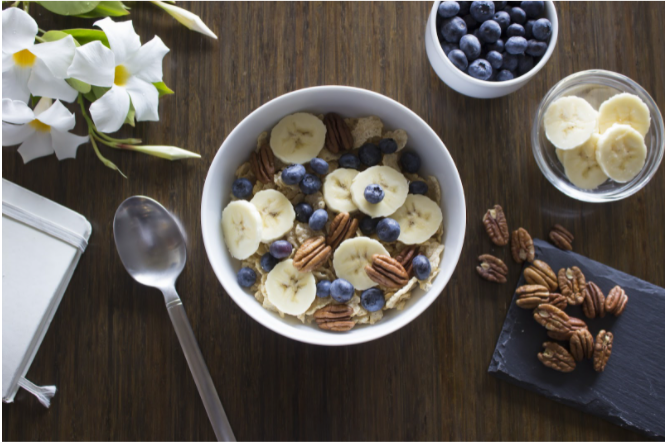
Foods to Add in The New Year
Many people set goals for the new year to lose weight, eat healthier, or start the latest trending diet, including lists of foods to cut out or avoid. This year consider an approach different from a temporary diet or short-term program by doing something for more than a few weeks while also improving health and weight.
While there is nothing wrong with a diet for a couple of weeks or 30 days, dietary changes that will positively impact weight and overall health require eating better well past a month of restrictions.

Prevent or Cure the Hangover
It will hit many people in the next day or two: the result of ringing in the New Year with more than just the toast at midnight. One of the many traditions of the New Year is often drinking to excess. Not everyone starts the night anticipating the hangover; it just happens after you realize a bit too late that you have had too much to drink. You can take steps to prevent the hangover or the steps to cure it.

The Best Time to Exercise
The question is often asked and researched: what time is best to exercise: morning, after lunch, after work? While there are some minor differences when is ideal for the time on the clock, realistically, there is no actual physical benefit to certain times of the day. Here is the answer: whatever time of day works best for you.
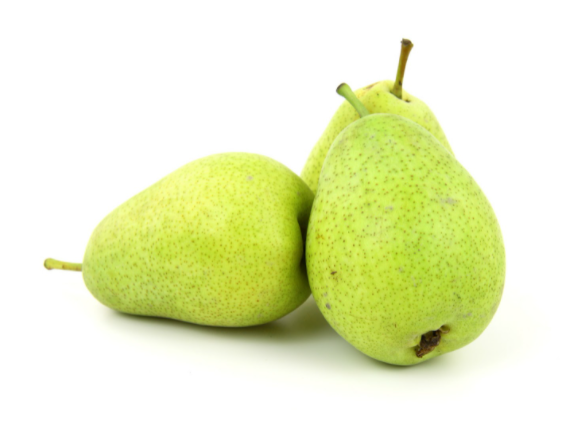
Health Benefits of that Pear Tree
If your true love gives you a partridge in a pear tree, then kiss your true love. Your pear tree provides you with a fruit low in calories, high in fiber, and full of vitamin C. A medium pear is about 100 calories and has 6 grams of fiber, about one-fifth to one-quarter of your fiber needs in just ONE pear.
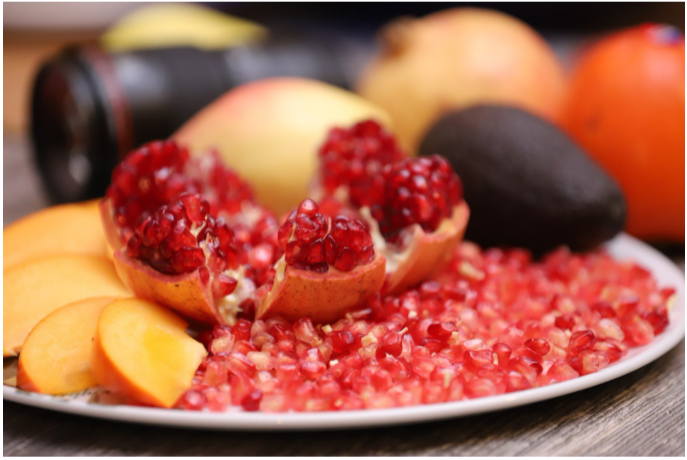
Eat Like Turtle Doves
Eat like turtle doves! They eat fruit and seeds primarily.
If humans, specifically those of us in the United States, ate more fruits and seeds, as well as vegetables, whole grains, and nuts, we would be a whole lot healthier as a population.

Do French Hens Drink Red Wine?
Question: are the three French hens healthier because they are French or drink red wine? More than 30 years ago, the term “French Paradox” hit the United States, and red wine consumption soared. To this day, people often tell me that they drink red wine because the French are healthier, “don’t get fat,” or any number of “health” reasons. However, is red wine the fountain of health, or is there something else?
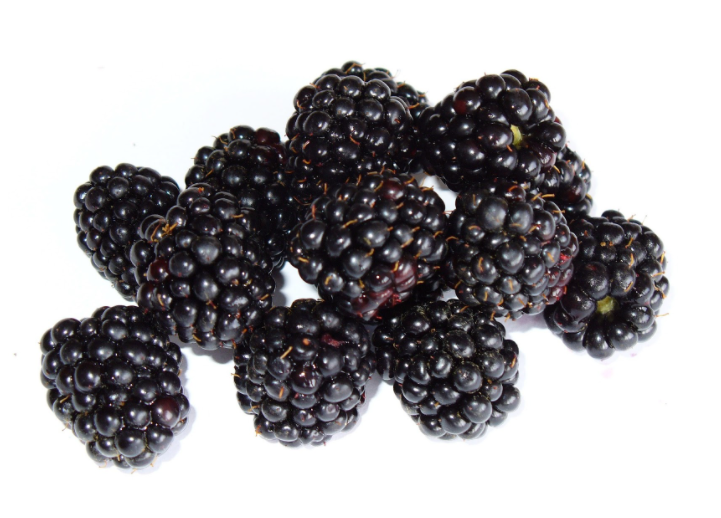
“Calling Birds” and Black Foods
Did you also know that most black foods are good for you? We often promote color in nutrition, and as dietitians, we suggest a rainbow of colors for your fruits and vegetables: red, orange, yellow, green, purple, and even white. But what about black foods? Here are seven black foods you can easily incorporate into your diet now and into the new year.

What Are Your Five Golden Rings?
According to the Urban Dictionary, the expression “grab for the gold ring” is “to take a chance and reach for some goal or desire.” We often neglect things in our lives or put them on the back burner, which decreases our healthy life and quality of life. Think about what you want to reach for in the next year, and consider these five things in your life.

Offset the Baking Bites
If you are doing holiday baking and find you sampled a bit too much during the day - what should you do? It isn’t as much about the calories (though they do add up), but avoiding the poor eating/sugar hangover the next day. Read more for tips to help manage these days.

Alcohol in Moderation
Alcohol in moderation is one of the few things precisely defined. But, unfortunately, moderation is one of those words with some ambiguity to it. It means something different depending on the subject, person, and pre-existing habits.
What do the Dietary Guidelines for Americans 2020-2025 say about alcohol now?

Eat, Keep or Toss?
Ever wonder about those dates on food packages such as Sell-By, Use-By, and Best-By? They are not terms representing safety or even food expiration. The only food product with an actual end or Use-By date, as required by law, is infant formula. For all other cases, food manufacturers add the dates voluntarily related to food quality or freshness. So what can you do to know what is still good?