
Day 4: Winter Workout - No Excuses
Day 4: Winter Workout - No Excuses
Welcome to Day 4 of the 12 Days of Wellness.
During this time of year, several things take a back seat as a priority for our wellness: healthier eating and regular physical activity. That is why those New Year’s Resolutions are so popular.
Today’s topic addresses physical activity, why it is essential, some ideas for at-home workouts, ideas for beginners, and some things to consider before getting started (don’t make those excuses, but considerations).
The Benefits of Regular Movement – Physical Activity
There are many known benefits of regular physical activity – but here are just a few:
1. Physical Health:
Helps in weight management and body composition.
Strengthens muscles and bones.
Improves cardiovascular health.
Boosts the immune system.
2. Mental Health:
Reduces stress and anxiety.
Enhances mood by releasing endorphins (endorphins make you happy).
Improves sleep quality.
Boosts cognitive function.
3. Disease Prevention:
Reduces the risk of chronic diseases like heart disease, diabetes, and certain cancers.
Home Workouts – No Gym Needed
You do not need a gym or even have to go anywhere other than your living room, den, or bedroom. You can do all these things at home with minimal or no equipment.
Strength or Resistance Training:
Bodyweight Exercises: Squats, lunges, push-ups, and planks.
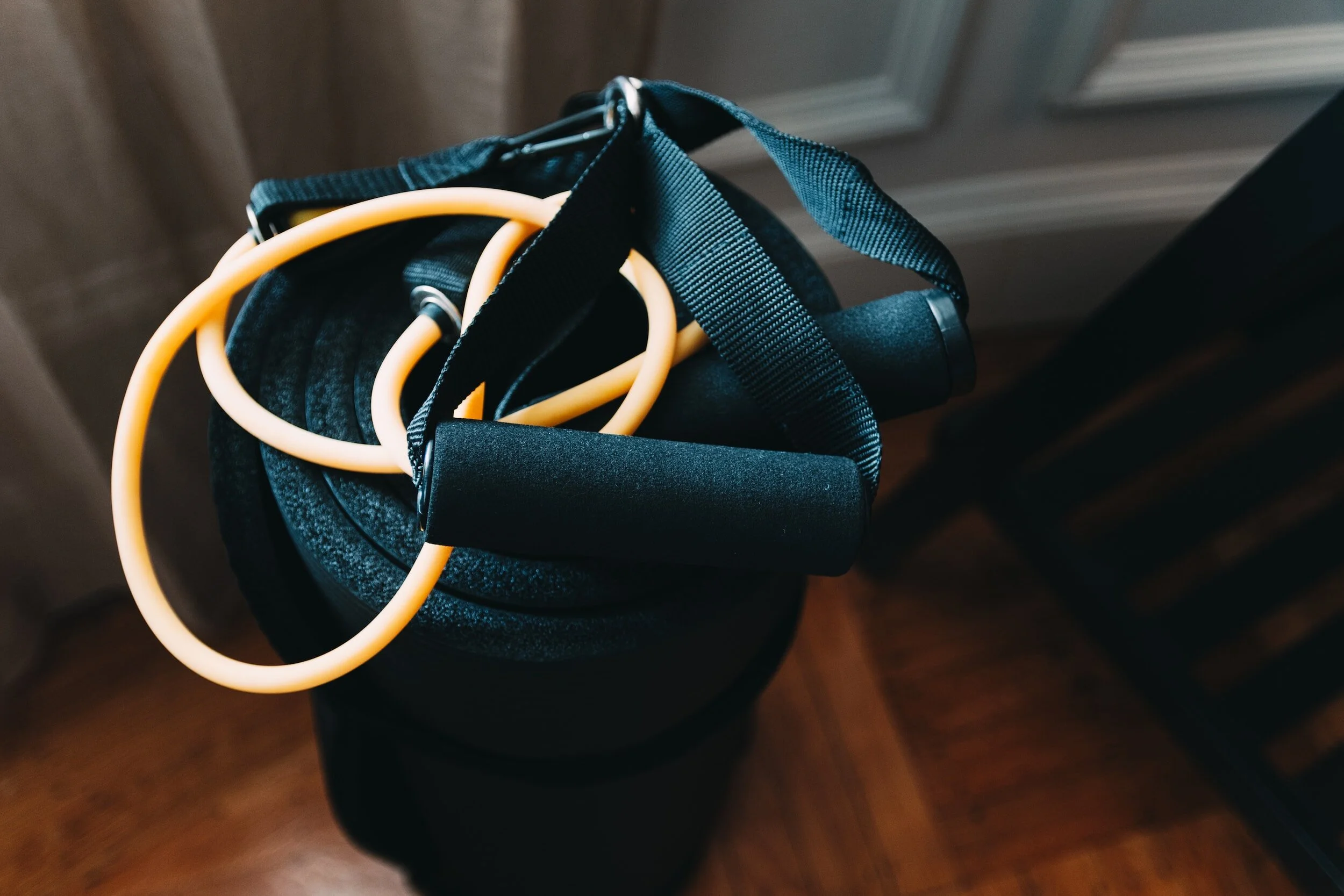
Resistance Bands: These are affordable and versatile for various strength exercises.
Dumbbells or Household Items: Use water bottles, bags of rice, or canned goods for added resistance. (Hello, Jack Lalane!)
Cardiovascular Exercise at Home:
Jumping Jacks: A simple and effective cardio exercise.
High Knees: Jog in place, bringing your knees up towards your chest.
Dance Workouts: Follow online dance workout videos.
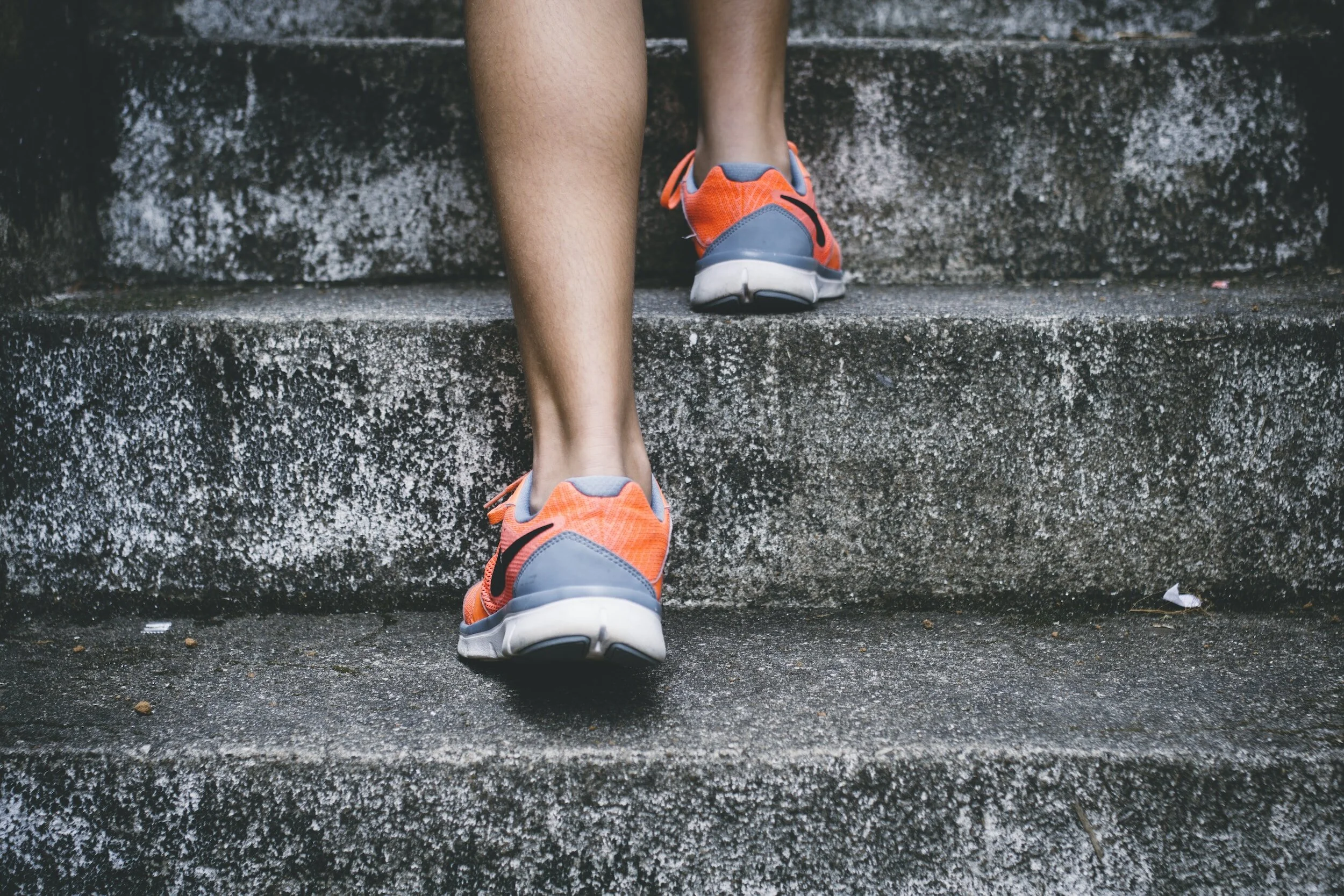
Stair Climbing: If you have stairs at home, use them for a quick cardio session.
Circuit Training:
A circuit is a series of exercises performed one after the other with minimal rest.
You can create a circuit at home using a mix of bodyweight exercises.
In sequence, perform bodyweight squats, push-ups, lunges, planks, and jumping jacks, then rest and repeat.
How to Do Circuit Training at Home:
Choose 5-7 exercises that target different muscle groups.
Perform each exercise for a set time (e.g., 30 seconds).
Move to the next exercise with little rest.
Once you complete all exercises, take a short break.
Repeat the circuit for 2-3 rounds.
This approach keeps the heart rate up, combines strength and cardio, and can quickly adapt to different fitness levels. Start with a circuit that suits your fitness level and gradually increase intensity.
New to Working Out? Or, Hello Old Friend - It’s Been a While!
If you are new to working out or haven’t been active for a while, it’s important to start gradually and choose activities you enjoy. Here are some gentle and accessible activities for beginners:
1. Walking - nearly everyone does it
One of the simplest yet effective forms of exercise.
Start with short walks and gradually increase duration.
2. Stretching:
Improve flexibility and reduce muscle tension.
Incorporate dynamic stretches before and static stretches after.
3. Yoga:
Great for flexibility, balance, and relaxation.
Many online platforms offer beginner-friendly yoga sessions.
4. Dancing:
Fun and effective for cardiovascular fitness.
Follow dance workout videos or dance to your favorite music.
No one is watching except maybe the dog.
5. Bodyweight Exercises:
Simple exercises like squats, lunges, and modified push-ups.
Perform each exercise at a comfortable pace.
6. Stair Climbing:
Use stairs for a low-impact cardio workout (but be safe - socks on wooden stairs are not a good combo).
Start with a few flights and gradually increase.
7. Functional Movements:
Include activities that mimic daily movements, like bending, lifting, and reaching.
This can improve overall strength and mobility.
Tips for Beginners:
Start slow and gradually increase intensity and duration.
Listen to your body, and don’t push too hard initially.
Find activities that bring joy and make it a positive experience.
Consider working with a fitness professional for guidance.
Remember, the key is to find activities that are enjoyable and sustainable. Start with small, achievable goals and celebrate their progress along the way.

If you have health concerns, it’s always a good idea to consult a healthcare professional before starting a new exercise routine.
These “concerns” can include high blood pressure, heart conditions, pregnancy, joint issues or injuries (including history of orthopedic surgeries), chronic health issues such as diabetes or asthma, or age-related concerns, such as risk of falling.
Don’t make excuses for not exercising—most of those above issues are often given an enthusiastic thumbs up from healthcare providers. Get started today – even if it is just a walk around the block or at the park.
Check-in on the blog tomorrow for the BONUS Take Five: FIVE Exercises for a Full Body Workout Routine (100% at home without needed equipment – and modifications for beginners included).