How the Dietary Guidelines Shape Federal Nutrition Programs
How the Dietary Guidelines Shape Federal Nutrition Programs
DGA Series: Part 7 of 8
The Dietary Guidelines for Americans influence everything from school meals to nutrition advice we hear online. In this series, we will look at their history, evolution, and impact to better understand how nutrition science translates into policy and practice.
For many people, the Guidelines appear every five years, generate a few days of headlines, and then fade into the background.
But for millions of Americans, it’s part of their daily lives – even if they don’t know it.
What most people do not realize is that the Dietary Guidelines are not really written for individuals sitting at their kitchen tables. They are written as a framework for federal nutrition programs. They guide large-scale food systems that serve children, pregnant women, low-income families, and older adults.
This is where the Guidelines have a direct application to food systems and intakes.
School Meal Programs
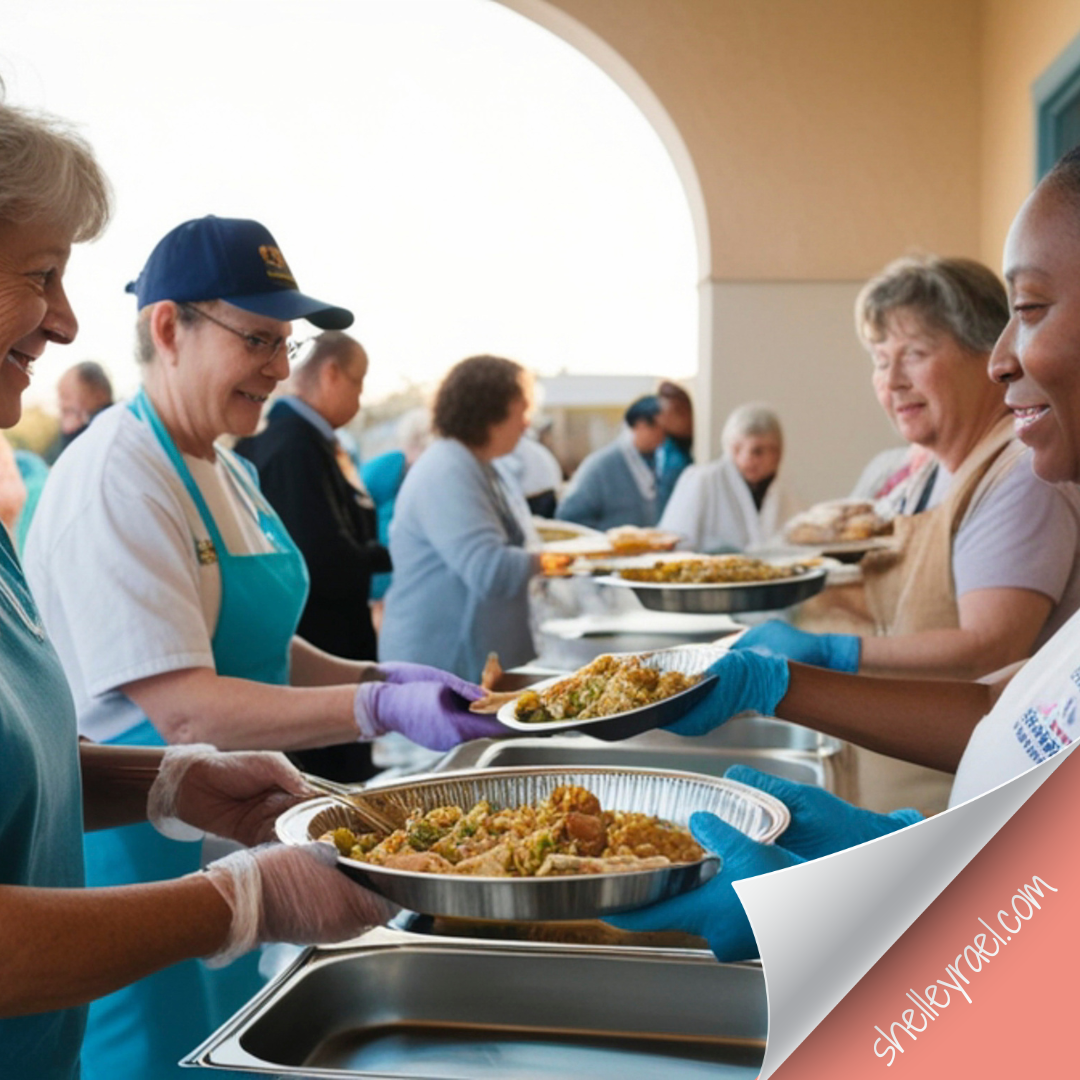
The most visible example is the National School Lunch Program, administered by the U.S. Department of Agriculture. This program, along with the School Breakfast Program and summer meal programs, provides meals to millions of children each day.
Eligibility is based on household income relative to the federal poverty level. Some (really, many) students qualify for free meals, some for reduced price meals, and others may pay full price but still receive meals that meet federal nutrition standards.
More recently, some states began providing free meals to children regardless of household income, under the belief that all children should be fed, and they removed some of the paperwork parents/guardians must complete each year. If you have a child, the start of school involves a lot of paperwork, including information for the school lunch program, and while some parents complete it, not everyone does.
Anyway, those standards for the National School Lunch Program and related programs are based on the Dietary Guidelines.
Meal patterns specify components such as fruits, vegetables, whole grains, protein foods, and milk. There are calorie ranges by age group. There are limits on sodium and saturated fat. There are requirements for whole-grain-rich products.
On paper, this creates a nutrition safety net.
For many children, especially in lower-income households, school meals provide a significant portion of daily caloric intake and may be the most consistent source of balanced meals. Unfortunately, in some households, these two meals are the only meals the children may get each day.
Head Start
Head Start is a federally funded early childhood education program serving low-income children from birth to age five. It includes meals and snacks that must align with federal nutrition standards informed by the Dietary Guidelines.
Beyond food, Head Start integrates nutrition education, developmental screening, and family support services. This is an area I work in: I review menus, sometimes develop them, review screenings, including growth, and provide educational materials for the Head Start to use.
Eligibility is primarily income-based, with priority given to families below the poverty line.
For young children in these programs, the Guidelines shape taste exposure, food variety, and early dietary patterns at a critical developmental stage.
WIC
The Special Supplemental Nutrition Program for Women, Infants, and Children, commonly known as WIC, provides targeted food packages, nutrition education, and healthcare referrals to pregnant women, postpartum women, infants, and young children at nutritional risk. Noting this is supplemental and not intended to provide all that the mother and child need. It is an add-on, and participants can still receive other benefits. For example, a family with a 2-year-old and a 4-year-old can receive Head Start meals and WIC.
Also administered through the U.S. Department of Agriculture, WIC food packages are revised periodically to align with the Dietary Guidelines.
WIC benefits include specific quantities of foods such as fruits, vegetables, whole grains, milk, eggs, beans, and infant formula when needed. The structure is intentional. It is designed to improve nutrient intake during periods of high physiological demand – the growth states of the mother, the infant, and the young child.
Eligibility is income-based and requires documented nutritional risk. For example, when my son was a toddler, he had low iron status, so we still qualified for WIC. While it is for pregnancy and the first year post-partum for the mom (breastfeeding or not), and up to the first five years for the child.
For many families, WIC helps with the additional nutrient needs during these critical growth periods.
Senior Nutrition Programs
Older adults are supported through programs funded under the Older Americans Act, including congregate meal programs and home-delivered meals, often referred to as Meals on Wheels (MOW).
These programs are overseen by the U.S. Department of Health and Human Services in coordination with state and local agencies.
Eligibility typically includes adults aged 60 and older, with priority given to those who are low-income, socially isolated, or homebound.
Meals must meet a portion of the daily nutrient requirements set by the Dietary Guidelines. Again, it is not all of the daily nutrient requirements, but a portion.
For seniors living alone, managing chronic disease, or facing food insecurity, these programs may determine whether their nutrient needs are consistently met.
Other Programs Influenced by the Guidelines
The Dietary Guidelines also inform:
SNAP Education programs
Military food service standards
Federal food procurement policies
Community nutrition initiatives
The Guidelines ripple outward far beyond individual meal choices and the widely known programs.
Where Concept Meets Real World Constraint
In theory, aligning federal programs with evidence-based nutrition recommendations makes sense.
In practice, implementation is complex and requires a lot of know-how about foods and the balance needed, as well as following the Guidelines.
Budget Constraints Versus Nutrition Ideals
Federal reimbursement rates for school meals, Head Start meals, and senior nutrition programs must cover far more than food. They include labor, equipment, utilities, transportation, and administrative costs.
When meal reimbursement is limited, trade-offs are inevitable.
If the cost of meat increases, or dairy prices rise, or produce is more expensive due to seasonality or supply chain disruptions, program directors must adjust within a fixed reimbursement structure. Also, as previously noted, there are calorie ranges by age group. So if there is whole-milk instead of fat-free or 1% milk, it still needs to meet the limits on saturated fat. So, something else needs to be reduced to still meet these criteria.
That may mean:
Reducing portion variety
Choosing lower-cost ingredients
Limiting scratch cooking due to labor constraints
Nutrition ideals do not exist in isolation from fiscal realities. Absolutely, it would be great to have homemade rolls or lasagna every time. But sometimes, to meet cost and nutrition constraints, buying premade rolls or lasagna from a company that makes them specifically to meet the school meal guidelines makes sense. One of the Head Starts I work with consistently has just one, sometimes two cooks, to prepare meals for over 70 children. That’s breakfast, lunch, and snack – one cook, doing that five days a week. They make scratch as much as possible, but sometimes, as I say, better fed than not.
The Guidelines can recommend higher-quality protein sources or increased whole grains. Programs must determine whether the reimbursement structure supports those changes. Note that if one meal does not meet the minimum criteria for the meal guidelines, for example, does not provide a fruit or a meat/meat alternate at lunch, then the ENTIRE day is not reimbursed, not just that meal.
Cultural Appropriateness
Food is not just nutrients. It is culture, identity, and tradition.
A meal that meets nutrient specifications but does not reflect cultural food patterns may be rejected or under-consumed.
Historically, there has been growing acknowledgment of cultural diversity within federal nutrition guidance. Ensuring that school meals, WIC food packages, and senior meals reflect cultural preferences increases participation and reduces waste. For example, again in some of the Head Starts I work with, blue corn is a staple food. So, blue corn mush (like grits or cream of wheat) or tortillas are part of the regular meal rotation, and this has been part of the meal programs for several years.
When cultural nuance is minimized in policy language, practical implementation becomes more difficult. So, if the Guidelines don’t acknowledge or have allowances for some of the differences, that can be a challenge.
Access Versus Ideals
There is often tension between ideal dietary patterns and what is accessible in a community.
Rural districts may have limited food distributors. Urban districts may face cost and storage constraints. Seniors receiving home-delivered meals may rely on shelf-stable options due to transportation barriers. People need to look beyond their community and realize that it is not a one-size-fits-all ideal.
Striving for high nutrient density is important. But access is foundational – if we cannot get fresh fruit, then it is okay to get canned or frozen.
A nutrient-dense recommendation that cannot be realistically sourced, stored, or prepared does not serve the intended population. For example, bananas are on the breakfast menu for Wednesday morning, but they were delivered underripe or not at all. But a fruit must be served with breakfast, what to do? A backup plan of canned pears or pineapple works here. Access vs ideals.
Why the Guidelines Matter More for Some Populations
Higher-income households may have the flexibility to interpret or ignore the Guidelines. They can shop across multiple retailers, choose specialty products, prepare their own breakfast and lunches, or consult private healthcare professionals.
Lower-income households participating in federal programs experience the Guidelines more directly. The structure of those programs shapes what is available.
This is where equity becomes central.
For children in food-insecure households, school meals may provide stability. For pregnant women navigating limited resources, WIC food packages may support fetal development. For older adults aging alone, congregate meals may provide both nutrients and social connection.
Policy decisions at the federal level translate into tangible daily experiences, even if you don’t know it or don’t care.
Final Thoughts
The Dietary Guidelines are not abstract recommendations.
They shape food procurement, meal composition, reimbursement formulas, and access for millions of Americans.
Understanding this context reframes the conversation from an individual level to a structural one.
When evaluating what the Guidelines get right or where they fall short, it is not just an academic exercise; it is also about the choices we make daily. It is a question of how nutrition science moves from policy to the lived experience of those around us – and their long-term health.
Related blogs in this series:
Previous Editions of the Dietary Guidelines for Americans
The 2025–2030 Dietary Guidelines: What They Got Right DGA Series: Part 3 of 8
Where the 2025–2030 Dietary Guidelines Fall Short DGA Series: Part 4 of 8
How the Dietary Guidelines Are Made and Why That Process Matters DGA Series: Part 5 of 8
Can We Really Feed People Well for $3 a Meal? A Reality Check DGA Series: Part 8 of 8
External Resources:
Why Do We Have Dietary Guidelines? A Look Back at the History
History of Dietary Guidance Development in the United States – A Timeline