
Ignore the Dirty Dozen: Why You Don’t Need to Fear Conventionally Grown Produce
Ignore the Dirty Dozen: Why You Don’t Need to Fear Conventionally Grown Produce
Every year, the so-called “Dirty Dozen” list is released, warning consumers to avoid certain fruits and vegetables unless they’re organic. It sounds urgent and alarming, I mean, who wants to feed their family a bunch of pesticides?
But let me save you some time, money, and unnecessary stress: you don’t need to panic over the Dirty Dozen. I say ignore it. Seriously. Don’t even bother giving it another moment of your time. Well, maybe a bit more as I explain why. Then you can move on.
First, Let’s Talk About “Clean Eating”
When people tell me they try to “eat clean,” I ask what that means to them. There are ideas about what this means, but no specific definition – it varies from person to person. My definition? “I wash my fruits and vegetables.” Regardless of how your produce was grown — organic or conventional — it’s smart to give it a good rinse. Even for items like melons or avocados, which you don’t eat the skin of, wash them. Knives can carry bacteria from the outer surface into the edible parts when you cut into them. The only item I don’t routinely wash is bananas, since I rarely cut them before peeling them. And, when I mean rinse, that is truly what I mean—no need to pull out the fancy wash or vinegar.
You also don’t know how many people handled your produce at the store. I once saw someone drop an open container of grape tomatoes at Costco, scoop them back up, and return the container to the display. Gross, yes. And makes me wonder how often this happens (though now, at least the grape tomatoes have a seal, so even if dropped, they are secure).
The “Dirty Dozen” Isn’t Telling the Whole Story
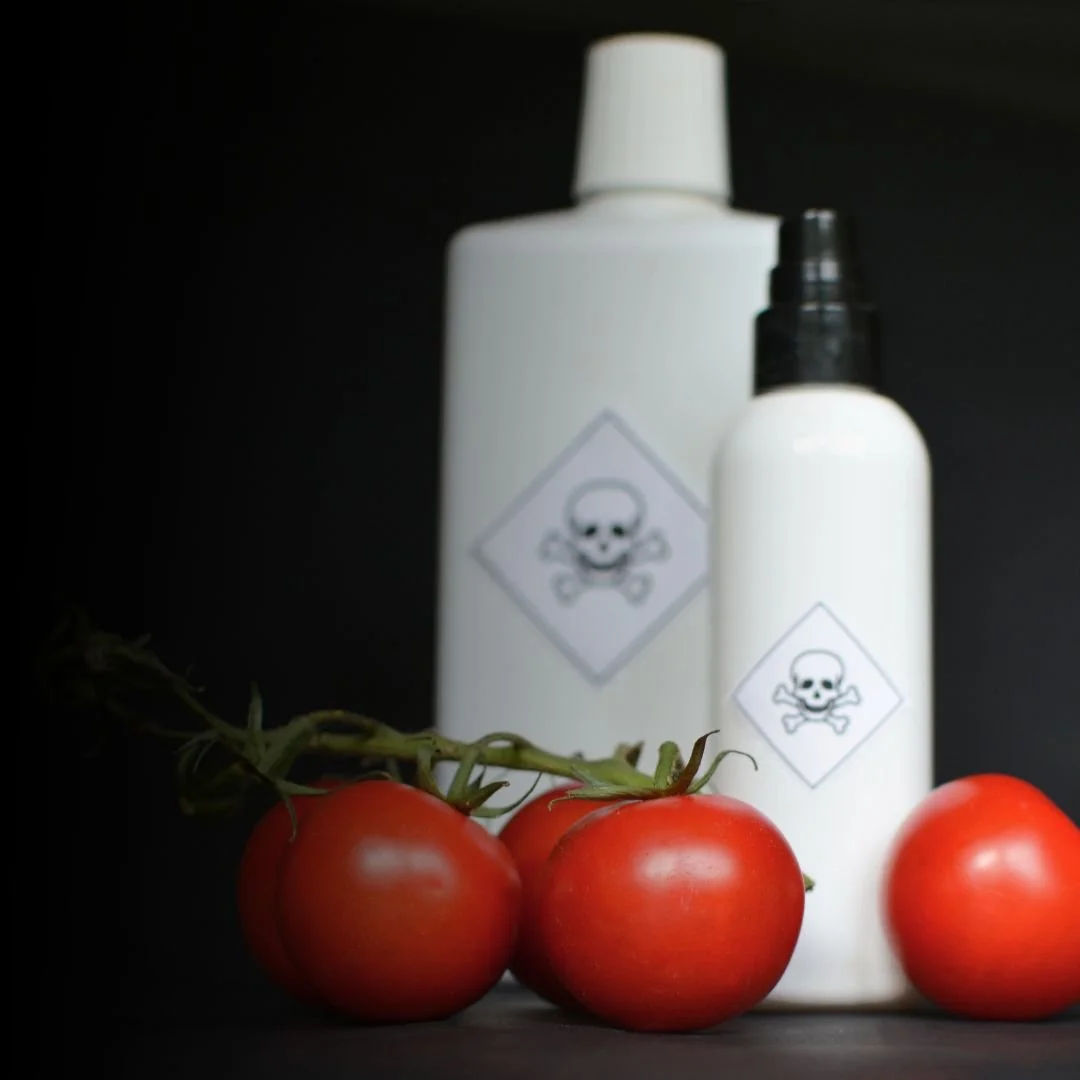
The Environmental Working Group (EWG) creates this list each year, naming twelve fruits and vegetables that it claims should always be bought organic due to pesticide residues. It sounds science-based, but it’s more fear-based.
Yes, pesticide residues can be detected on some conventionally grown produce. But here’s what they’re not saying:
Nearly all the produce tested by the USDA contains residues that are well below the limits set by the Environmental Protection Agency (EPA).
Over 99% of residues found are far under the EPA’s safety threshold, meaning they don’t pose a health risk.
These limits already include large safety margins for children, pregnant individuals, and other vulnerable groups.
In other words, even the “dirtiest” produce is still safe to eat.
What About Organic?
I don’t avoid organic produce. I buy it when the price is right, and it looks good. But I don’t only buy organic, I don’t go out of my way to buy organic, and I never tell my clients they should. Whether it’s from the neighborhood store, warehouse club, farmers market, or grocery chain? If the food is safe, I say go for it. And, at the farmers market, the food may be grown organically with organic practices, but hasn’t gone through the costly process of being “certified” organic.
I’ve taught nutrition and meal planning to families who get $60 to last them the whole week. At least that $60 is designed to supplement their grocery bill, but it doesn’t always work out that way. For them, and many others, organic is often not a realistic option. And you know what? That’s okay. Conventionally grown fruits and vegetables are just as nutritious.
But What About the Pesticides?!
Let’s put it in perspective. Using the Pesticide Residue Calculator from SafeFruitsandVeggies.com (based on USDA data), here’s how much of these foods an adult woman would need to eat in one day to potentially have any effect from pesticide residues, even if they contained the highest levels ever recorded:
Cherry Tomatoes: 946 servings (that’s 6,622 cherry tomatoes)
Nectarines: 5,759 nectarines
Grapes: 672 servings (10,752 grapes)
Apples: 850 apples
Cherries: 1,190 servings (about 24,990 cherries)
And that’s every single day. Honestly, if someone’s eating 800 apples or 25,000 cherries in one day, the pesticide issue isn’t the concern. We’d have other things to discuss.
The Real Risk? People Skipping Produce
Research indicates that fear-based messaging, such as the Dirty Dozen list, can deter people from consuming produce altogether, particularly among low-income shoppers. That’s a far bigger public health issue than trace amounts of pesticide residue.
Fresh, frozen, or canned. Organic or conventional. Eat the fruits and veggies. Don’t worry so much about the label.
Bottom Line
If buying organic works for you, great. If not, you’re still making a good choice by eating fruits and vegetables. Don’t let scary headlines or trendy lists make you second-guess it.
Forget the Dirty Dozen. Eat your produce.
Real World Nutrition Refreshed: I am revitalizing and updating my blog archive and re-publishing it. Stay tuned as I review, update, refresh, and re-share these posts to provide you with even more valuable information on nutrition, health, and overall wellness—and keep things timely. A portion of this blog was initially posted on April 26, 2022, and is updated here.