Food in the U.S. vs EU: What’s Allowed and Why It Matters
Food in the U.S. vs EU: What’s Allowed and Why It Matters
There’s a trend I’ve noticed for decades now. Before social media, it appeared in early morning infomercials, on the pages of books and newsletters, and in “news-style” shows that were often just disguised paid ads. Misinformation about food and nutrition has been part of the culture for a long time. But now, social media has taken this to the next level.
From influencers with titles like “Food Babe” to “Carnivore King” and podcast hosts confidently arguing and taking misinformed stances about things they don’t understand, it’s easy to see why people are confused. Throw in a lawyer-turned-aspiring health authority with zero medical background, give them a cabinet position that an actual health expert should hold, and suddenly, food science and health consequences are being rewritten – without the science.
The latest boogeyman – or the one getting the platform now? Ingredients used in U.S. food that aren’t “allowed” in the EU. Specifically, food dyes and the ever-popular term: unpronounceable ingredients. The logic goes, if the EU doesn’t allow Red 40 or Yellow 5, then the U.S. must be poisoning us. But that is a gross oversimplification.
Let’s start with a few facts.
Food dyes like Red 40, Yellow 5, and Blue 1 are used in the EU, but they go by different names. Here are a few examples:
Red 40 (U.S.) = Allura Red AC (E129)
Yellow 5 = Tartrazine (E102)
Blue 1 = Brilliant Blue FCF (E133)
Yellow 6 = Sunset Yellow FCF (E110)
Blue 2 = Indigo Carmine (E132)
The claim that these aren’t used in Europe is often based on name confusion. What is often overlooked is that the EU requires warning labels when some of these dyes are used, not outright bans. Some manufacturers in the EU avoid them to skip the labeling hassle, not because of a health risk.
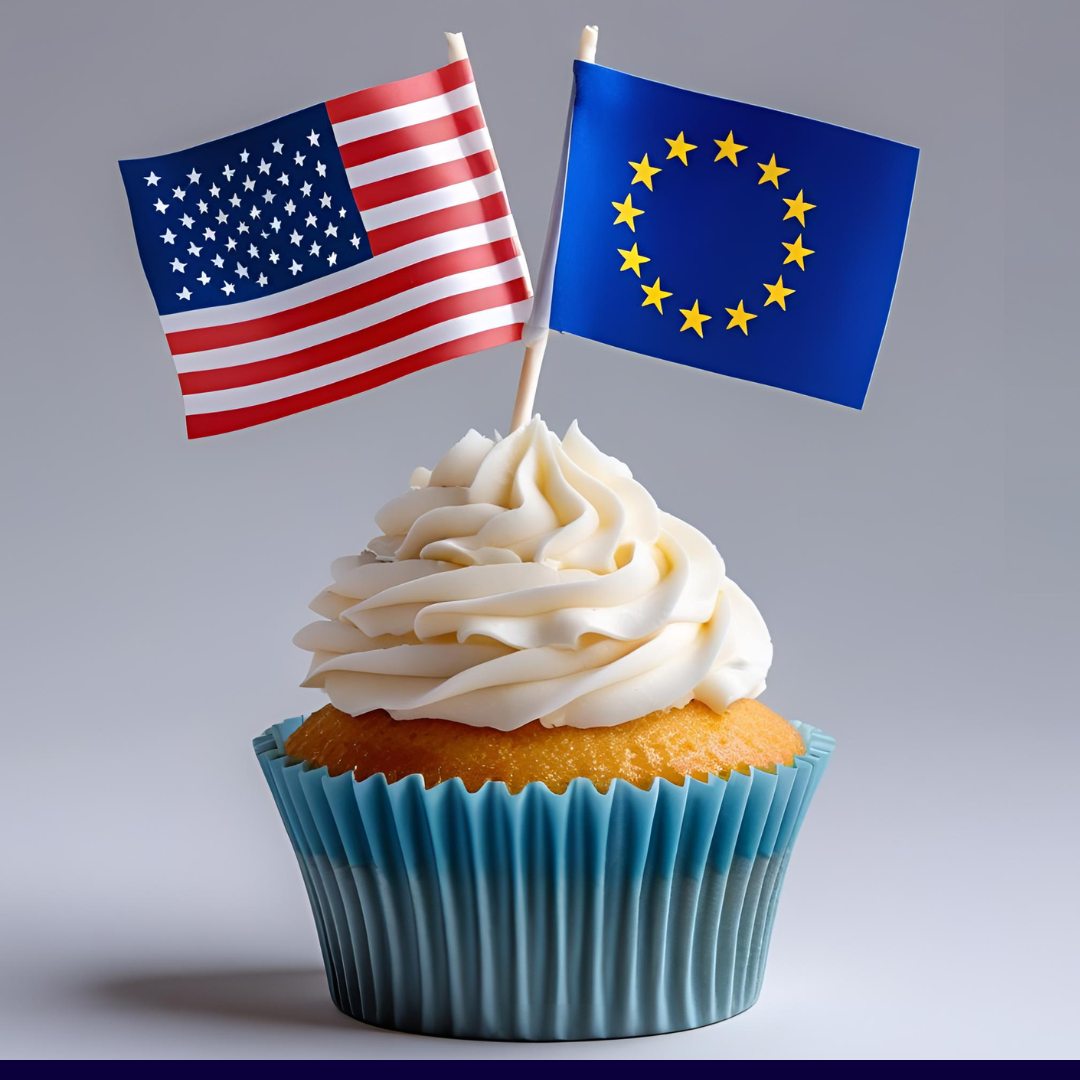
There’s also a difference in how ingredients are approved and regulated. In the U.S., the FDA uses the GRAS list—Generally Recognized As Safe—and a long-standing approval process. There are over 10,000 items on this list, but it includes basic things like vinegar and citric acid. Not every item is a synthetic chemical or some mysterious additive.
In the EU, they maintain a shorter list of permitted food additives. But this doesn’t mean the food supply is safer. The EU often approves food items collectively, while the U.S. typically lists individual ingredients. You can’t just compare two numbers and call one better.
Let’s take the candy comparison. Are the ingredients in U.S. and EU M&Ms different? Sometimes. In the EU, Mars has voluntarily removed certain dyes and uses natural, vegetable-based colorings, such as spirulina extract or beet juice, in specific markets. In the U.S., we still have the synthetic colors. But does this change the nutrition? No. And, in the U.S., like it or not, people want those more vivid colors.
Whether your M&Ms are colored with beet extract or Red 40, the nutrition label still tells you the same story: it’s sugar, fat, and yum. And fun is fine. I love M&M’s. However, removing Red 40 doesn’t make them a healthy food. The same goes for Skittles or Froot Loops. Removing dyes won’t give them fiber, protein, or vitamins.
What about unpronounceable ingredients? That trope has always annoyed me. Riboflavin sounds intimidating to some people—but it’s vitamin B2. Cyanocobalamin? That’s vitamin B12. Many of these long names refer to vitamins, preservatives that help reduce food waste, or stabilizers that keep food safe to eat for an extended period. Convenience, access, and food safety are made possible because of these ingredients. I am glad my bread isn’t molding within a day or two. I am not throwing out slices of bread because they are growing mold. I can eat it at my leisure without worrying about food waste. And, yes, I eat bread.
One of the more frustrating things is when people say the U.S. population is sick because of these additives. That’s not backed by evidence. Health outcomes are driven by far more complex factors, including access to healthcare, lifestyle, income, food insecurity, and systemic issues. Not Red 40.
Which brings me to what actually matters: access to healthy, nourishing food. While influencers nitpick the ingredients in boxed cereal, millions of Americans lack access to fresh fruits, vegetables, or even a local grocery store. Food insecurity impacts 44 million Americans, including 13 million children. That’s the real problem.
Let’s not get distracted by ingredient swaps that make zero nutritional difference. Removing a dye doesn’t solve anything if a family can’t afford dinner. Real food system change would mean policies that support access, affordability, and education, not bans on food coloring in candy.
In the U.S. vs EU food debate, don’t fall for the oversimplified comparison. Ask better questions. Look beyond the label. And focus on what truly matters: a safe, affordable, and accessible food supply for everyone.