Food Allergy vs. Food Intolerance: What's the Difference?
Food Allergy vs. Food Intolerance: What's the Difference?
If you've ever heard someone say, "I'm allergic to dairy," only to watch them enjoy a slice of pizza later or be “okay” with cheese on their burger, you're not alone.
Maybe you know someone who describes a stomachache after eating ice cream as an allergic reaction.
The truth is that food allergies and food intolerances are often confused, but they are not the same thing.
FAQs About Food Allergies and Food Intolerances
Can a food intolerance turn into a food allergy?
No. Food intolerances and food allergies are different conditions with different underlying causes. A food intolerance does not "turn into" a food allergy. However, if you develop new or worsening symptoms after eating a food, it's important to discuss them with your healthcare provider to determine what's causing them.
Can you outgrow a food allergy?
Sometimes. Children often outgrow allergies to foods such as milk, eggs, soy, or wheat, although not everyone does. Allergies to peanuts, tree nuts, fish, and shellfish are more likely to persist into adulthood, but some people do outgrow them. Never reintroduce an allergen without guidance from your healthcare provider or allergist.
Are food intolerances dangerous?
Food intolerances are generally not life-threatening, but they can cause uncomfortable symptoms such as bloating, gas, abdominal pain, and diarrhea. In some cases, ongoing symptoms can affect quality of life or make it difficult to get adequate nutrition if many foods are avoided. A healthcare provider or registered dietitian can help identify the cause and develop a plan that meets your nutritional needs.
Should I get tested for a food allergy?
If you suspect you have a food allergy, especially if you've experienced hives, swelling, difficulty breathing, or other signs of an allergic reaction, you should talk with your healthcare provider. They may refer you to an allergist for appropriate testing. Avoid relying on at-home food sensitivity tests, as many are not scientifically validated and may lead to unnecessary dietary restrictions.
Both can make you feel miserable, and both may require you to avoid certain foods. However, they have different causes, symptoms, and health risks.
In my last blog, I discussed the difference between lactose intolerance and a milk allergy. Today, I want to zoom out and address the bigger picture. Understanding the difference between food allergies and food intolerances can help you make informed decisions about your health and better understand others' experiences.
What Is a Food Allergy?
A food allergy occurs when the immune system mistakenly identifies a food protein as harmful and launches an immune response.
Even a very small amount of the food can trigger symptoms in some people. Others may not react unless they eat a larger amount. The severity and sensitivity can vary considerably from person to person. This does not mean one is “faking it.”
Symptoms on an allergic reaction may include:
Hives
Itching
Swelling of the lips, tongue, or throat
Wheezing or difficulty breathing
Nausea or vomiting
Abdominal pain
Diarrhea
Dizziness or fainting
Anaphylaxis, which is a severe, life-threatening allergic reaction
Not every allergic reaction is severe, but every food allergy should be taken seriously.
Someone with a peanut allergy, for example, may react to trace amounts from cross-contamination, while another person with a peanut allergy may only react after eating peanuts. That person may still be able to prepare a PB&J for someone. Both individuals have a legitimate allergy, even though their experiences differ.
There is no way to predict whether a future allergic reaction in the same person will be more severe than a previous one.
What Is a Food Intolerance?
A food intolerance does not involve the immune system.
Instead, it usually occurs because the body has difficulty digesting or processing a particular food or one of its components.
Symptoms often include:
Bloating
Gas
Abdominal pain
Cramping
Diarrhea
Nausea
While food intolerances can be uncomfortable and significantly affect quality of life, they are generally not life-threatening.
Another important difference is that many people with food intolerances can tolerate small amounts of the problem food without symptoms, or they may tolerate it in certain forms but not others.
For example, many people with lactose intolerance can eat yogurt or aged cheese but experience symptoms after drinking a large glass of milk.
Common Food Allergies
In the United States, there are nine major food allergens that must be declared on packaged food labels:
Milk
Eggs
Fish
Crustacean shellfish
Tree nuts
Peanuts
Wheat
Soy
Sesame
These account for most serious food allergies.
However, people can develop allergies to many other foods as well, including:
Fruits
Vegetables
Corn
Spices
Legumes
Gelatin
Mustard
Sunflower seeds
Coconut
Certain meats
Although these allergies are less common, they are very real for the people who have them.
Common Food Intolerances
Food intolerances are also quite varied. Some of the more common examples include:
Lactose intolerance
Fructose intolerance or fructose malabsorption
Sugar alcohol intolerance, such as sorbitol, xylitol, or erythritol
Caffeine sensitivity
Histamine intolerance
Sensitivity to certain food additives, such as sulfites in susceptible individuals
People may also experience digestive symptoms after eating foods high in certain fermentable carbohydrates known as FODMAPs. While these foods can trigger symptoms in some individuals, particularly those with irritable bowel syndrome (IBS), this is different from having a food allergy.
Why the Difference Matters
It may seem like semantics, but using the correct terminology is important.
Food allergies can become medical emergencies.
Food intolerances usually cannot.
This distinction affects everything from medical care to restaurant food preparation.
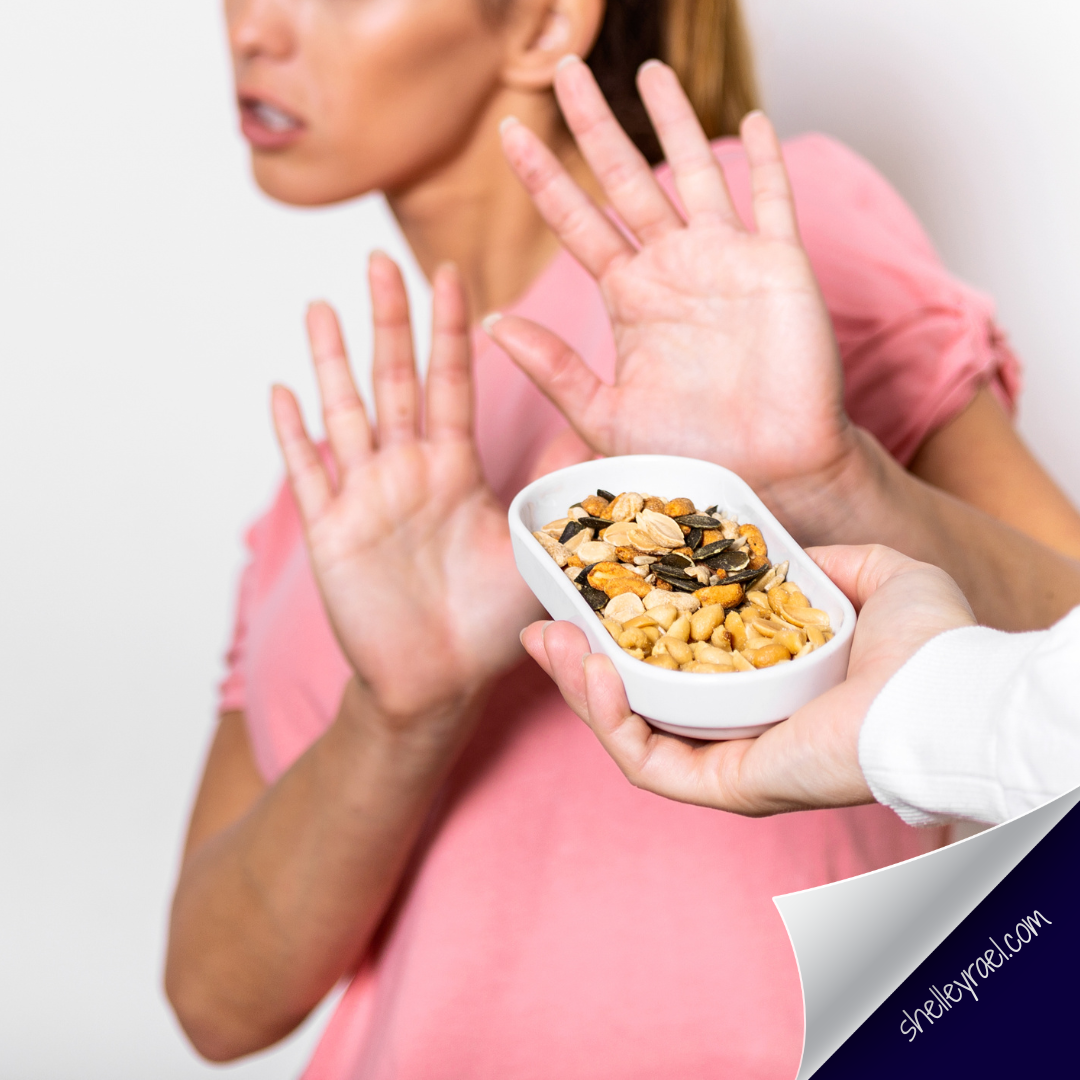
If someone tells you they have a food allergy, believe them.
Please don't assume they're exaggerating.
And it is never appropriate to "test" someone by secretly including an allergen in a homemade meal because you think their allergy isn't real.
I've heard stories of people saying, "There aren't any peanuts in these cookies," just to see if someone reacts.
That isn't funny.
It isn't a harmless prank.
It could have serious consequences. Especially if it was intentional.
Even if someone has never had a severe reaction before, future reactions can be different.
Respecting someone's food allergy is simply the right thing to do.
What About Dairy and Wheat?
Two of the most confused conditions involve dairy and wheat.
Many people use the terms milk allergy and lactose intolerance interchangeably, even though they have very different causes. A milk allergy is an immune response to milk proteins. Lactose intolerance is difficulty digesting the natural sugar in milk.
Likewise, wheat allergy, gluten intolerance, and celiac disease are often lumped together, even though they are distinct conditions with different underlying mechanisms.
Both topics have their own blog posts because they need more than a brief explanation.
Getting the Right Diagnosis
If you notice symptoms after eating certain foods, try not to diagnose yourself based on something you read online or saw on social media.
Many conditions can cause similar symptoms.
Keeping a food and symptom journal may be helpful, but it's also important to discuss your symptoms with your healthcare provider. They can help determine whether your symptoms are related to a food allergy, a food intolerance, or another medical condition and recommend appropriate testing when needed.
Key Takeaways
Food allergies and food intolerances are not interchangeable.
A food allergy involves the immune system and can be life-threatening.
A food intolerance usually involves the digestive system and, while uncomfortable, is generally not life-threatening.
Understanding the difference helps you make informed choices about your own health and shows respect for others' experiences.
The next time you hear someone use the terms interchangeably, you'll know there is much more to the story.
More Reading:
Lactose Intolerance vs. Dairy Allergy: Why They Are Not the Same Thing
Wheat Allergy vs. Gluten Intolerance vs. Celiac Disease: What's the Difference?
You can also learn more about food allergies: