Real World Nutrition News You Can Use
There is a lot of misinformation about nutrition. And nothing in this field is black-or-white, yes-or-no, but many shades of gray and a lot of “it depends.” So, my goal is to help clear up some of that misinformation with some snark, entertainment, and facts (with some opinion thrown in).
Many of these topics come from interactions with the public, friends, clients, and students. I see sheer misinformation about the science of nutrition, and I do my best to clear things up one blog post at a time.
If you have a topic you are wondering about, let me know.
Looking for a specific topic? Search to see if it is already here.
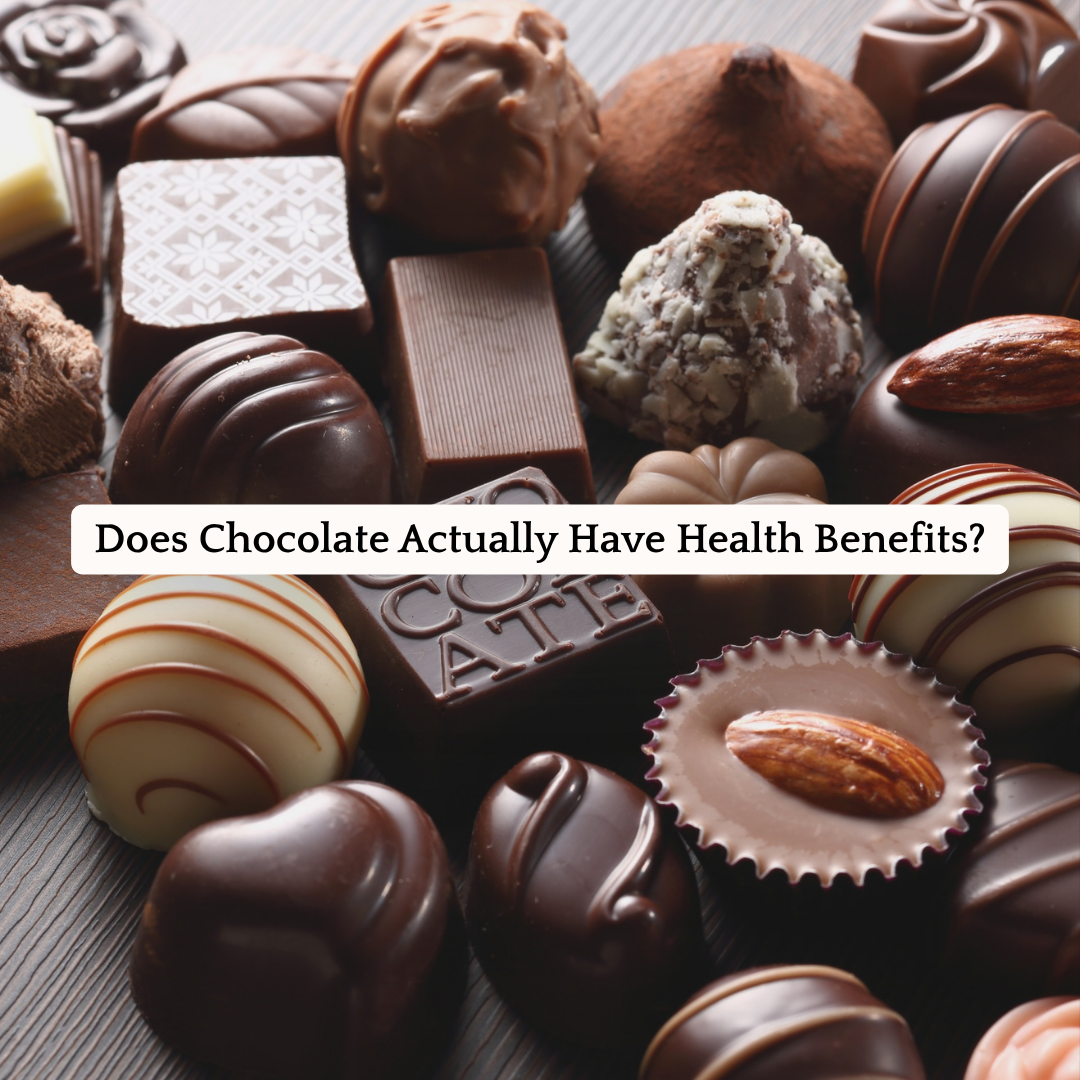
Does Chocolate Actually Have Health Benefits? What the Research Says
Chocolate has a reputation for being good for you, but what does the research actually show? Explore cocoa flavanols, brain health, mood, processing, and the differences between dark, milk, and white chocolate.

Embracing Vegetarianism: A Spectrum of Choices
Vegetarian eating doesn't have to be all or nothing. Learn about different approaches to vegetarian and plant-based eating, how to get enough protein, and how to find an approach that works for you.

Brain Health: Tea, Chocolate, and Brain Health: Are the Benefits Real?
Tea and chocolate contain caffeine and plant compounds called polyphenols that may affect brain health. Here's what the research actually tells us about tea, cocoa, cognition, and more.

Brain Health: Caffeine, Coffee, and Your Brain: What We Actually Know
Coffee and caffeine get plenty of attention when it comes to brain health. Here's what we actually know about attention, sleep, dementia, Parkinson's disease, and the research that still needs more answers.

Brain Health: What Does Your Brain Actually Need to Stay Healthy?
Brain health is about much more than memory, and it is not about finding one magical brain food. Learn what your brain needs from nutrition, movement, sleep, mental activity, social connection, and overall health.

More Fruits and Vegetables: What Counts and How Much Do You Really Need?
What counts as a fruit or vegetable? Learn about fresh, frozen, canned, dried, juice, potatoes, beans, serving sizes, sugar myths, budget, and practical ways to eat more.

Food Recalls: What You Need to Know Before You Panic
A food recall doesn't always mean the food is contaminated or that you will get sick. Here's how to check whether your product is affected, what to do with recalled food, and when to contact a healthcare provider.

Honey: Is It Really Healthier Than Sugar?
Honey contains more than just sugar, but that doesn't automatically make it healthier than table sugar. Here's what you actually need to know about honey, raw honey, local honey, and Manuka honey.

What Does Self-Care Actually Look Like? Hint: It Isn't All Bubble Baths
Self-care doesn't have to mean adding another list of things to your schedule. Sometimes it means eating lunch, getting enough sleep, setting a boundary, or asking for help.

Your Health Is Not a Number on the Scale
Your weight can tell you one thing about your body, but it cannot tell you everything about your health. Here is what to pay attention to instead.

Dietary Approaches for Reducing Chronic Disease Risk: Cardiovascular Health, Diabetes, Cancer, and Respiratory Wellness
There isn't one diet for every chronic disease. Learn how practical eating patterns can support heart health, blood glucose, cancer risk reduction, and respiratory wellness.

Metabolic Syndrome: Can You Have It at Any Body Size?
Metabolic syndrome isn't determined by body size alone. Learn why larger bodies can have healthy metabolic measures, smaller bodies can have metabolic risk, and why looking beyond weight matters.

Healthy Eating Doesn't Have to Mean Eating "Healthy Foods" All the Time
Healthy eating isn't a test you pass or fail at every meal. A healthy eating pattern includes nutrition, variety, enjoyment, flexibility, convenience, cultural foods, and room for pleasure.

Chronic Disease Prevention: What You Can Influence and What You Can't
Chronic disease risk is influenced by much more than individual choices. Learn what you can do to support long-term health while recognizing the role of genetics, environment, access to care, and other factors.

Rice, Potatoes, and Grains: Why Did Carbs Get Such a Bad Reputation?
Rice, potatoes, and grains have all been blamed for everything from weight gain to blood sugar problems. But are carbohydrates really the problem? Let's separate nutrition facts from carbohydrate myths.

Metabolic Syndrome: What It Is and Why It Matters
Metabolic syndrome isn't one disease or one number. Learn how blood pressure, blood glucose, triglycerides, HDL cholesterol, and waist circumference can work together to increase health risks.

Top 5 Reasons Eating Well Can Feel So Hard
Eating well can be difficult for many reasons, from busy schedules and food costs to boredom and feeling restricted. Here are five common barriers and realistic ways to make eating well easier.

What Does Healthy Aging Really Look Like?
Healthy aging doesn't have one look. Explore common myths about aging, what changes are normal, what isn't inevitable, and what can help preserve independence and function.

Healthy Aging Starts Earlier Than You Think
Healthy aging isn't something to think about when you reach a certain birthday. Learn why muscle, bones, nutrition, activity, sleep, relationships, and prevention matter throughout life.

Meal Planning vs. Meal Prepping: Which Is Better and Why?
Meal planning and meal prepping often get lumped together, but they're two different strategies. Learn what each involves and how to decide which approach fits your life.