Is It Really Your Genes?
Can you outsmart your genes?
This is something I hear often when working with clients. Many people believe that if they have a genetic predisposition for certain diseases, then it’s only a matter of time before those diseases show up in their own lives. But is that really true?
If you have a family history of type 2 diabetes, does that mean you’re destined to get it? If Alzheimer’s runs in your family, are you guaranteed to develop it? The short answer is no. In many cases, your lifestyle choices can influence whether, when, or how severely a condition affects you.
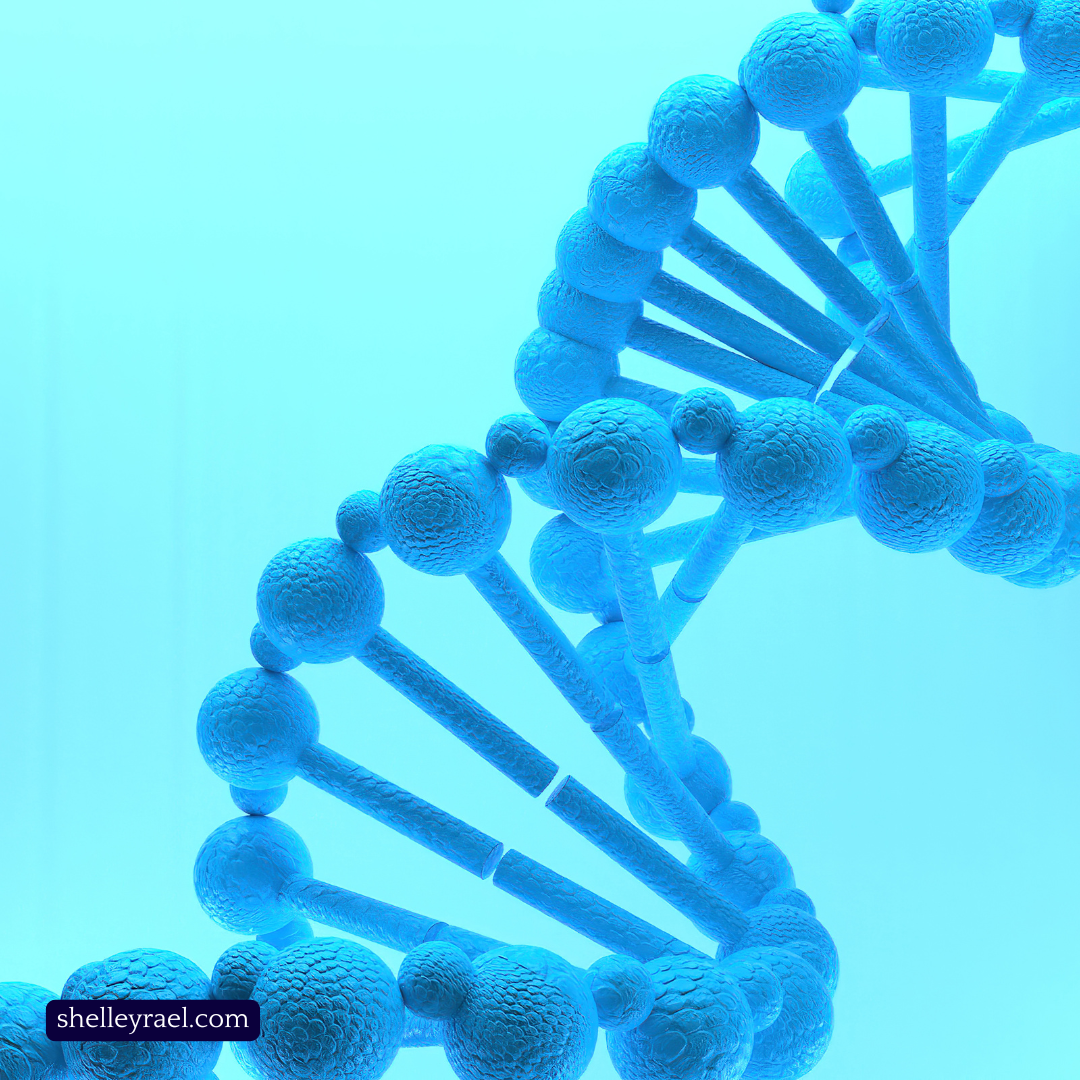
There’s an old saying: “Genetics loads the gun, environment pulls the trigger.” (We have to have a better saying these days.) In other words, your genes may give you a predisposition, but your daily habits and environment play a significant role in whether those genes are expressed.
What Family History Really Means
As health care professionals, we ask about family history all the time. Who in your family has had diabetes, cancer, high blood pressure, heart disease, or stroke? That information is important. But genes are only part of the story. Research suggests family history and genetics make up about 25% of your overall risk. The other 75% comes from lifestyle choices.
That means you have far more control than you may realize.
Let me give you a personal example. I have a strong family history of cancer. Both of my parents, one of my siblings, and three grandparents have had cancer. While my grandparents are all passed, my parents and siblings are still here and just fine – mostly. On paper, that looks like a big red flag. But I don’t throw up my hands and assume it’s inevitable. I do what I can to reduce my risk: I wear sunscreen, I don’t smoke, I eat a nutrient-rich diet, and I keep up with screenings.
Sure, I could take the approach of “well, it’s in my genes, so why bother?” But that’s not a helpful way to live. If there are steps I can take to lower my risk, I’m going to take them.
Genes Aren’t Destiny
I’ve met people who assume they’re bound to develop Alzheimer’s because it’s in their family tree. While we still have much to learn about Alzheimer’s, we know that certain lifestyle factors can make a difference. A balanced diet, regular physical activity, good sleep, and social engagement are all linked to better brain health. Genetics may increase the odds, but they do not guarantee the outcome.
On the other side, I’ve met women who were shocked by a breast cancer diagnosis because no one in their family had ever had it. Family history accounts for only about 15% of breast cancer cases. The rest occurs without a genetic link.
And then there’s me: I was diagnosed with osteoporosis at age 30. No major family history of it, and yet here we are. The point is that sometimes diseases appear without warning, and sometimes they don’t show up even when the risk looks high.
What You Can Do
There’s no way to eliminate risk entirely. Life doesn’t work that way. And, yes, sometimes we do use the term “disease prevention,” but it is really risk reduction. And you can take steps to reduce your chances of developing certain conditions, or delay their onset by years, even decades. Many of the recommendations are simple, though not always easy to follow consistently:
Eat plenty of fruits and vegetables.
Choose more unsaturated fats and cut back on saturated fats.
Minimize added sugars.
If you drink alcohol, keep it moderate.
Get at least 150 minutes of activity each week, including strength training.
Don’t smoke. Avoid secondhand smoke when possible.
Wear sunscreen.
Stay consistent with health screenings and check-ups.
None of these guarantees a disease-free life, but they tip the odds in your favor.
The Bottom Line
You can’t change your genes. But you can change your choices. Genetics might account for part of your health risk, but the larger piece comes from what you do every day. Don’t underestimate the power of your habits. Even small, consistent changes can have a big impact over time.
So instead of asking, “Is it really my genes?” a better question might be, “What can I do today to lower my risk?”
Real World Nutrition Refreshed: I am revitalizing and updating my blog archive and re-publishing it. Stay tuned as I review, update, refresh, and re-share these posts to provide you with even more valuable information on nutrition, health, and overall wellness—and keep things timely. A portion of this blog was initially posted on August 30, 2022, and has been updated here.