
5 Ways to Make Healthy Eating Easier
People often describe healthy eating as overwhelming, time-consuming, expensive, and hard to sustain. And sometimes it is. But often the difficulty lies less in nutrition science, reading every single label, and heading to an overpriced grocery store than in logistics, expectations, and overcommitment.
Healthy eating does not require a full lifestyle overhaul in a single week. It requires systems that make better choices easier and more automatic.
Here are five practical ways to simplify the process.
Take one. Try it. Build from there.
1. Plan
Yes, this is the part people resist.
Planning feels tedious. But in most cases, it saves more time and stress than it takes.
The key is not just saying you will cook more. It is planning with specifics.
“I’ll make lasagna this week” is vague.
“I’ll make lasagna on Sunday at 4 pm” is actionable.
Planning means identifying the recipe, checking what ingredients you already have, adding missing items to your grocery list, and making sure you have enough time to prepare and cook the meal. If something takes two hours from start to finish, that matters.
If you are new to cooking, choose simpler meals. Spaghetti is easier than lasagna. A sheet-pan chicken-and-vegetables dinner is easier than one with multiple components and specialty techniques.
Planning also means looking at your week. If Wednesday includes a 6:30 pm event, that is not the night to experiment with a complicated recipe. Plan a quicker meal. If Sunday afternoon is open, that might be the time for something that takes longer.
You do not have to plan every meal for seven days. Start with three dinners. That alone can reduce decision fatigue and last-minute drive-through stops.
2. Do Not Overcommit
This is where many people derail themselves.
Going from rarely cooking to preparing three home-cooked or prepared meals a day is not realistic for most households. When the plan is too ambitious, it collapses quickly. Even doing home-cooked dinners for the entire week can feel overwhelming.
If you currently cook once a week, aim for twice. If you rely heavily on takeout, start by replacing one or two meals with home-cooked meals.
Look for meals that take 30 minutes or less and require minimal equipment. A stove, oven, and microwave are sufficient. There is no need to buy the latest appliance because it is trending and everyone is talking about how great it is. If you already own something useful, use it. If not, keep it simple.
Healthy eating often improves through small, repeatable changes. Not dramatic shifts. Again, this is how things become more sustainable.
Build capacity gradually. If it needs to stay at two or three meals a week for a month, that is okay. Then increase your frequency. Skill, efficiency, and confidence increase with practice.
3. Shop at Your Regular Grocery Store
There is a persistent belief that eating healthier requires specialty markets. It does not.
If you regularly shop at stores like Whole Foods, Sprouts, or Trader Joe’s, that is fine. But there is no requirement to make an additional trip or to shop outside your normal routine to eat well.
Most neighborhood grocery stores carry fresh produce, whole grains, dairy, meats, canned beans, frozen vegetables, and other staple foods that support balanced meals. These stores may not market them with the same intensity, but they are there. In my town, we have two Trader Joe’s, two Whole Foods, and six Sprouts – and I rarely go to them, let alone shop there. The grocery store down the street is just fine. And Costco… but that’s another post for another time.
It is also worth remembering that organic does not mean more nutritious. Organic refers to how a food is grown or produced. It does not inherently change its vitamin, mineral, protein, or fiber content. And, it usually costs more than conventional.
Read More: The Truth About Organic – What You Need to Know
If your regular store is convenient, affordable, and fits your schedule, use it. Reducing barriers makes consistency more likely.
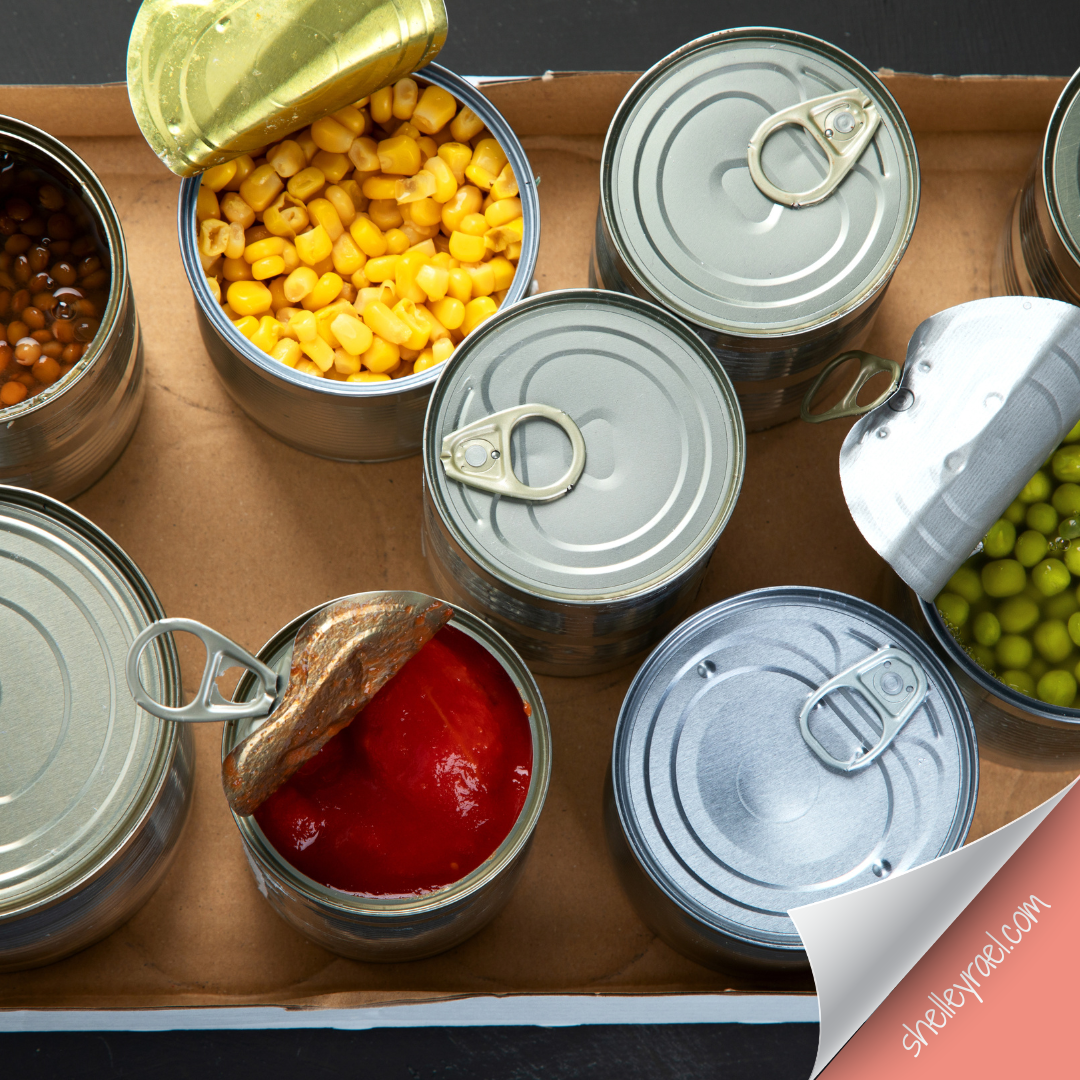
4. Use Convenience Foods Strategically
Convenience foods are often criticized, but not all are highly processed or low in nutrients.
Strategic use of convenience items can reduce prep time and increase the likelihood that meals are prepared at home.
Examples include:
Frozen vegetables
Frozen fruit
Precooked grains such as brown rice or quinoa
Canned beans
Prechopped onions, carrots, and celery
Bagged salads
These products can significantly shorten cooking time. Frozen vegetables are typically harvested and frozen at peak ripeness, preserving nutrient content. Canned beans can be rinsed and added directly to salads, soups, or grain bowls.
Convenience does not automatically mean compromise. Sometimes it means practical.
If reduced prep time makes it easier to eat balanced meals during a busy week, that is a useful tool. I do see online that people will mock those who purchase prechopped vegetables and bagged salads. People have different abilities – and that convenience means being able to eat those vegetables rather than skipping them. It’s not laziness, it’s efficiency. Yes, it does cost a bit more, so this needs to be considered. But really, there is nothing wrong with the bagged salads and precut vegetables.
5. Make It Visible
Environment shapes behavior more than willpower does. People really don’t want to accept this, since I often hear people mention willpower and self-control when it comes to food. Trust me, that behavior modification means being strategic with your environment.
If fresh fruit is placed in the refrigerator drawer and forgotten, it is less likely to be eaten. Many fruits can sit in a bowl on the counter. Visibility increases the chance they will be grabbed as a snack. Some fruit should go in the fridge, like berries, but apples, pears, oranges, and many other fruits are just fine on the counter.
In the refrigerator, consider placing cut vegetables and ready-to-eat items at eye level. Move condiments or less nutrient-dense options into drawers. Subtle shifts in placement can influence default choices. Many of us put the veggies in the drawer and condiments at eye level, but that’s more habit, isn’t it? It’s okay to rearrange things. I do get more pushback on this, so I get it. And if you have family, they may push back even more.
If you create a weekly menu plan, put it somewhere visible. On the refrigerator. On a whiteboard. In a shared digital note. When everyone in the household knows the plan, meals are more likely to turn out as intended.
If you are trying to drink more water, keep a filled water bottle within reach. If you are trying to reduce sugar-sweetened beverages, do not make them the most visible or the coldest option available.
Small environmental adjustments compound over time.
You Can Do This
Healthy eating does not require more money, rigid rules, or extreme measures. It requires realistic systems that fit your schedule, budget, and skill level.
Plan with intention. Avoid overcommitting. Shop where it makes sense. Use convenience wisely. Make better choices visible.
These are not dramatic strategies. They are practical ones.
And practical strategies tend to last.
Real World Nutrition Refreshed: I am revitalizing and updating my blog archive and re-publishing it. Stay tuned as I review, update, refresh, and re-share these posts to provide you with even more valuable information on nutrition, health, and overall wellness—and keep things timely. A portion of this blog was initially posted on January 5, 2023, and has been updated here.