
So Many “Milks” – Are They Healthy?
So Many “Milks” – Are They Healthy?
The dairy aisle has undergone a dramatic transformation in the past decade, offering a wide range of plant-based “milks” alongside traditional cow’s milk. While these alternatives cater to various dietary preferences and restrictions, it’s crucial to recognize that not all “milks” are nutritionally equivalent.
Many people consider the calcium content, but don’t look at some of the other nutrients and the ingredients list. Look at protein, potassium, vitamin D as well as look for added sugars (not the naturally occurring sugar which is lactose in cow’s milk) and additional added ingredients, Consider that the calcium is often added in the non-dairy options which may not be as absorbable or even mixed into the liquid you drink as it can settle at the bottom of the container.
Noting the nutrient content is based on available information, however, take a look at the information at your fingertips – the Nutrition Facts and the Ingredients – not just the front of the package.
Cow’s Milk: The Nutritional Benchmark
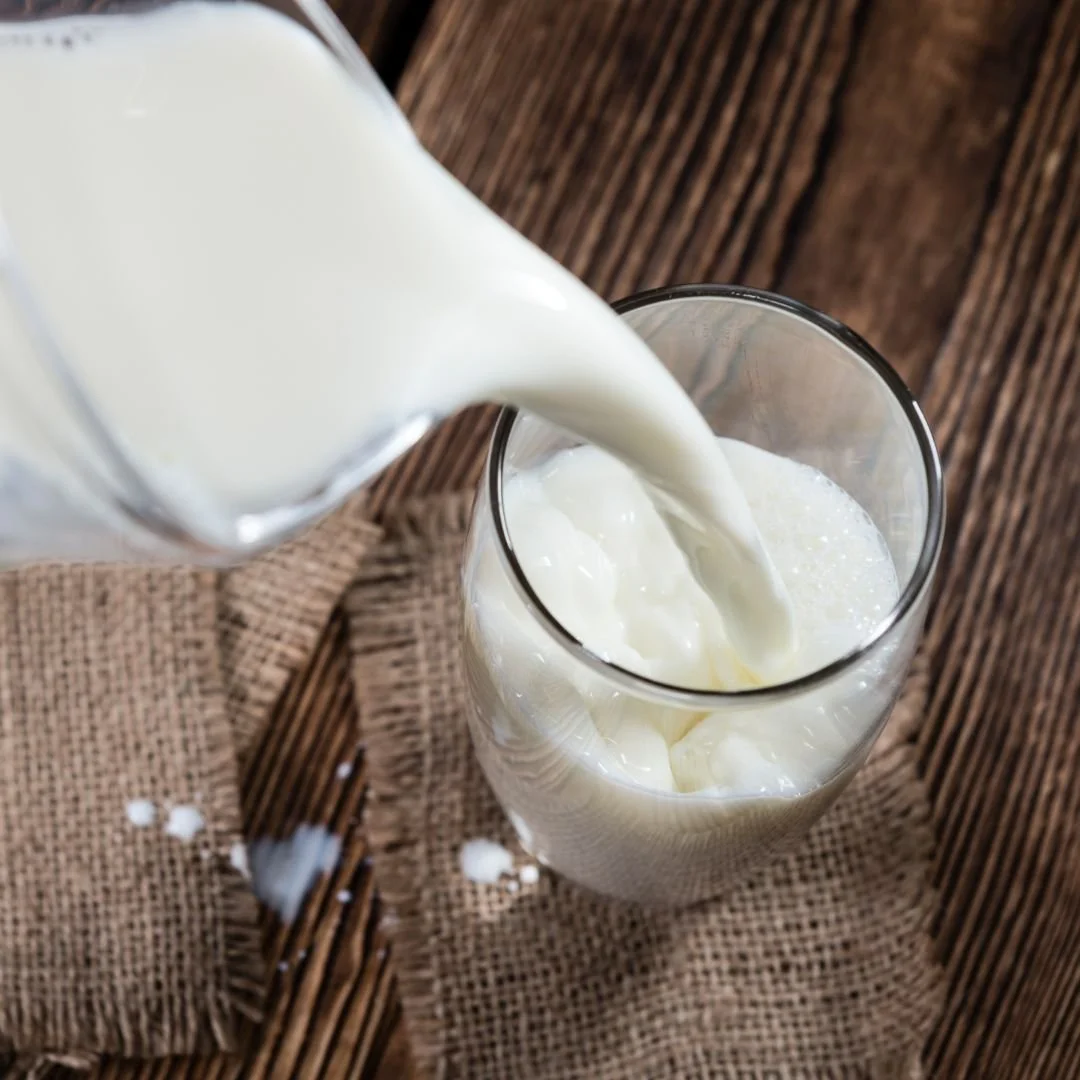
Cow’s milk remains a nutrient-dense beverage, naturally rich in calcium, vitamin D, and high-quality protein. It’s also a source of essential nutrients like vitamin B12, potassium, and riboflavin.
Nutritional Profile per 1 cup (240 ml):
Calories: 80–150 (depending on fat content)
Protein: 8 grams
Calcium: 300 mg
Vitamin D: 2.5 mcg (100 IU)
Potassium: 300–400 mg
Cow’s milk is also recognized for its bioavailable calcium and complete protein content, making it a staple in many diets globally. Noting that fat content will vary based on the type chosen, with whole milk being 3.25% fat, to non-fat milk, which has no fat.
Plant-Based Milk Alternatives
Soy Milk
Soy milk is one of the few plant-based alternatives that closely match cow’s milk in protein content. It’s also often fortified with calcium and vitamin D.
Nutritional Profile per 1 cup (240 ml):
Calories: 100–130
Protein: 7–9 grams
Calcium: 300 mg (fortified)
Vitamin D: 2.5 mcg (100 IU) (fortified)
Soy milk contains isoflavones, which have been studied for their potential health benefits.
Almond Milk
Almond milk is low in calories but also low in protein. It’s commonly fortified with calcium and vitamin D.
Nutritional Profile per 1 cup (240 ml):
Calories: 30–60
Protein: 1 gram
Calcium: 300 mg (fortified)
Vitamin D: 2.5 mcg (100 IU) (fortified)
Almond milk is often chosen for its light texture and taste, but it’s important to be mindful of added sugars in flavored varieties.
Oat Milk
Oat milk has gained popularity for its creamy texture and naturally sweet taste. It’s higher in carbohydrates and often fortified.
Nutritional Profile per 1 cup (240 ml):
Calories: 120–130
Protein: 2–4 grams
Calcium: 300 mg (fortified)
Vitamin D: 2.5 mcg (100 IU) (fortified)
Oat milk contains beta-glucans, a type of soluble fiber that is beneficial for heart health.
Pea Milk
Pea milk, made from yellow peas, is a newer alternative that’s high in protein and often fortified.
Nutritional Profile per 1 cup (240 ml):
Calories: 70–100
Protein: 8 grams
Calcium: 300 mg (fortified)
Vitamin D: 2.5 mcg (100 IU) (fortified)
Pea milk is a suitable option for those with soy or nut allergies.
Hemp Milk
Hemp milk is made from hemp seeds and contains omega-3 fatty acids. It’s typically fortified with calcium and vitamin D.
Nutritional Profile per 1 cup (240 ml):
Calories: 60–80
Protein: 2–3 grams
Calcium: 300 mg (fortified)
Vitamin D: 2.5 mcg (100 IU) (fortified)
Hemp milk can be a good option for those seeking a plant-based milk with healthy fats.
Environmental Considerations
While cow’s milk offers a lot of nutrition, it’s associated with higher greenhouse gas emissions and water usage. Plant-based milks generally have a lower environmental footprint, though this varies among types. For example, almond milk requires a significant amount of water resources, whereas oat and soy milks are more sustainable choices. There are many ways to reduce your impact on the environment, so if you still consume cow’s milk and their associated products, look for other ways to reduce your footprint.
It's Your Choice – Be Informed
Choosing between cow’s milk and plant-based alternatives depends on individual dietary needs, preferences, and environmental considerations. Cow’s milk remains a comprehensive source of essential nutrients. Among plant-based options, fortified soy and pea milks come closest in nutritional value. Always check labels for added sugars and fortification to ensure you’re meeting your dietary requirements.
Note: Nutritional values are approximate or averages and can vary by brand and product. Always refer to specific product labels for accurate information.
Real World Nutrition Refreshed: I am revitalizing and updating my blog archive and re-publishing it. Stay tuned as I review, update, refresh, and re-share these posts to provide you with even more valuable information on nutrition, health, and overall wellness—and keep things timely. A portion of this blog was initially posted on August 18, 2021, and has been updated here.