
Seed Oils & Omega-6: Clearing Up the Confusion
Seed Oils & Omega-6: Clearing Up the Confusion
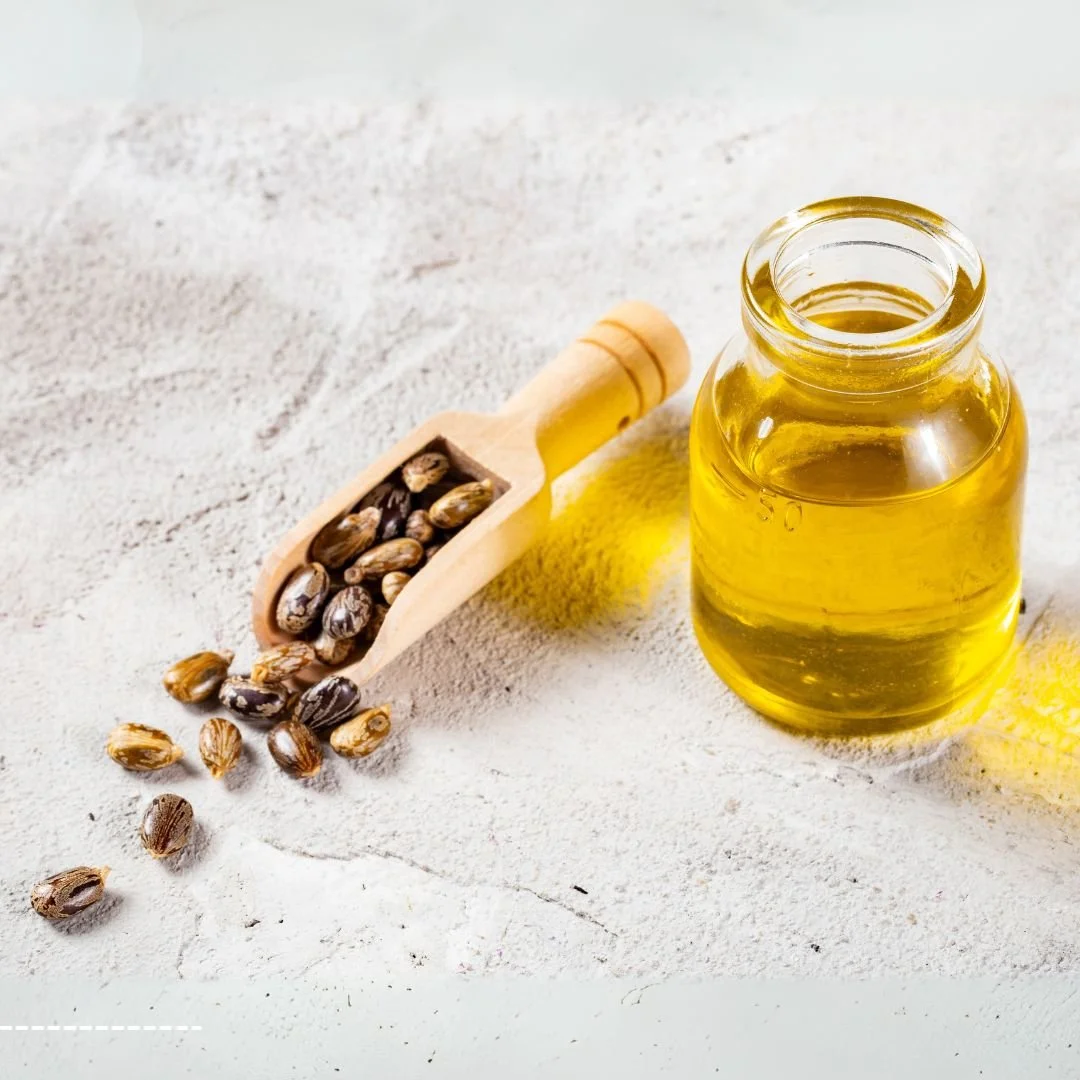
Seed oils have become a hot topic, often surrounded by controversy and misinformation. Claims about their health impacts, especially concerning omega-6 fatty acids, have led to confusion. Let’s get into what seed oils are, their nutritional components, and what science says about their role in our health.
What Are Seed Oils?
While the definition may vary depending on who you are talking to, generally “seed oils” are extracted from the seeds of plants and include:
Soybean oil
Corn oil
Sunflower oil
Canola oil
Cottonseed oil
Safflower oil
These oils are prevalent in cooking, baking, and processed foods due to their affordability and versatility.
The Claims Against Seed Oils
Critics argue that seed oils are:
Highly processed: Involving chemical extraction methods.
High in omega-6 fatty acids: Allegedly promoting inflammation.
Linked to chronic diseases, such as heart disease and obesity.
However, it’s essential to examine these claims through the lens of scientific evidence.
Understanding Omega-6 and Omega-3 Fatty Acids
Both omega-6 and omega-3 are polyunsaturated fatty acids (PUFAs) and are considered essential fats, meaning our bodies can’t produce them, and we must obtain them through our diet.
Omega-6 fatty acids (like linoleic acid) are found in seed oils, nuts, and seeds.
Omega-3 fatty acids (like EPA and DHA) are abundant in fatty fish, flaxseeds, and walnuts.
These fats play crucial roles:
Omega-6: Supports skin health, lowers LDL cholesterol, and aids in blood clotting.
Omega-3: Reduces inflammation, supports heart and brain health, and is vital during pregnancy.
The Balance Between Omega-6 and Omega-3
The omega-6 to omega-3 ratio in the typical Western diet is approximately 20:1, favoring omega-6. Historically, this ratio was closer to 4:1 or even 1:1.
An imbalanced ratio may contribute to chronic inflammation and related diseases. However, it’s not about eliminating omega-6 but rather increasing omega-3 intake to achieve a healthier balance.
Do Omega-6 Fatty Acids Cause Inflammation?
The belief that omega-6 fats are inherently pro-inflammatory stems from their role in producing certain eicosanoids involved in the inflammatory response. However, research indicates:
Moderate omega-6 intake does not promote inflammation in healthy individuals.
A high omega-6 to omega-3 ratio may contribute to inflammation, emphasizing the need for balance.
Sources of Omega-6 and Omega-3 Fatty Acids
Omega-6 Rich Foods:
Vegetable oils (soybean, corn, sunflower)
Nuts (walnuts, almonds)
Seeds (pumpkin, sesame)
Omega-3 Rich Foods:
Fatty fish (salmon, mackerel, sardines)
Flaxseeds and chia seeds
Walnuts
Algae-based supplements (for vegetarians/vegans)
What About Saturated Fats: Coconut Oil, Beef Tallow, and Lard?
Saturated fats are solid at room temperature and found in:
Coconut oil
Beef tallow
Lard
While these fats can be part of a healthy diet, excessive intake is associated with increased LDL cholesterol levels and an increased risk of heart disease. Current guidelines recommend:
Limiting saturated fat intake to less than 10% of daily calories.
Replacing saturated fats with unsaturated fats (like those from seed oils) to reduce cardiovascular risk.
The Bottom Line
Seed oils are not inherently unhealthy; they provide essential fatty acids and can be part of a balanced diet.
Focus on the overall dietary pattern, emphasizing whole foods and a variety of fat sources.
Aim for a balanced omega-6 to omega-3 ratio by increasing omega-3-rich foods.
Moderation is key: Both in the types and amounts of fats consumed.
Remember, nutrition is not about demonizing specific foods but understanding how they fit into the bigger picture of your overall diet.
Selected References:
Omega-6 fatty acids and inflammation - PubMed
Importance of maintaining a low omega–6/omega–3 ratio for reducing inflammation - PMC
Dietary Fats and Cardiovascular Disease: A Presidential Advisory - PubMed