
Oats: Nutrition, Fiber, and Everyday Uses
Oats are inexpensive, easy to find, and useful for more than just oatmeal. You can use them in baked goods, smoothies, homemade snacks, and even meatloaf. They also provide whole-grain carbohydrates, protein, and fiber, including a type of soluble fiber that can help lower LDL cholesterol.
Several types of oats are available at the grocery store, and the differences can be confusing. Are steel-cut oats healthier than rolled oats? Are instant oats still nutritious? And what is it about oat fiber that makes it worth talking about?
Here is what oats offer and a few ways to use them.
What Are Oats?
Oats, or Avena sativa, are a whole grain. Whole grains contain the bran, germ, and endosperm of the grain, providing a mix of carbohydrates, fiber, protein, vitamins, minerals, and other plant compounds.
Oats provide nutrients such as magnesium, phosphorus, zinc, and thiamin. They also contain beta-glucan, a type of soluble fiber studied for its effects on cholesterol.
You will find oats sold in several forms. The main differences are how much processing they undergo, how quickly they cook, and the texture they provide.
What Is the Difference Between Types of Oats?
You don't need to buy one type of oats to get nutritional value from them. Choose based on how you plan to use them and how much time you want to spend preparing them.
Oat groats: These are whole oat kernels with the inedible outer hull removed. They have a chewy texture and take the longest to cook.
Steel-cut oats: These are oat groats cut into smaller pieces. They have a hearty texture and generally require more cooking time than rolled oats.
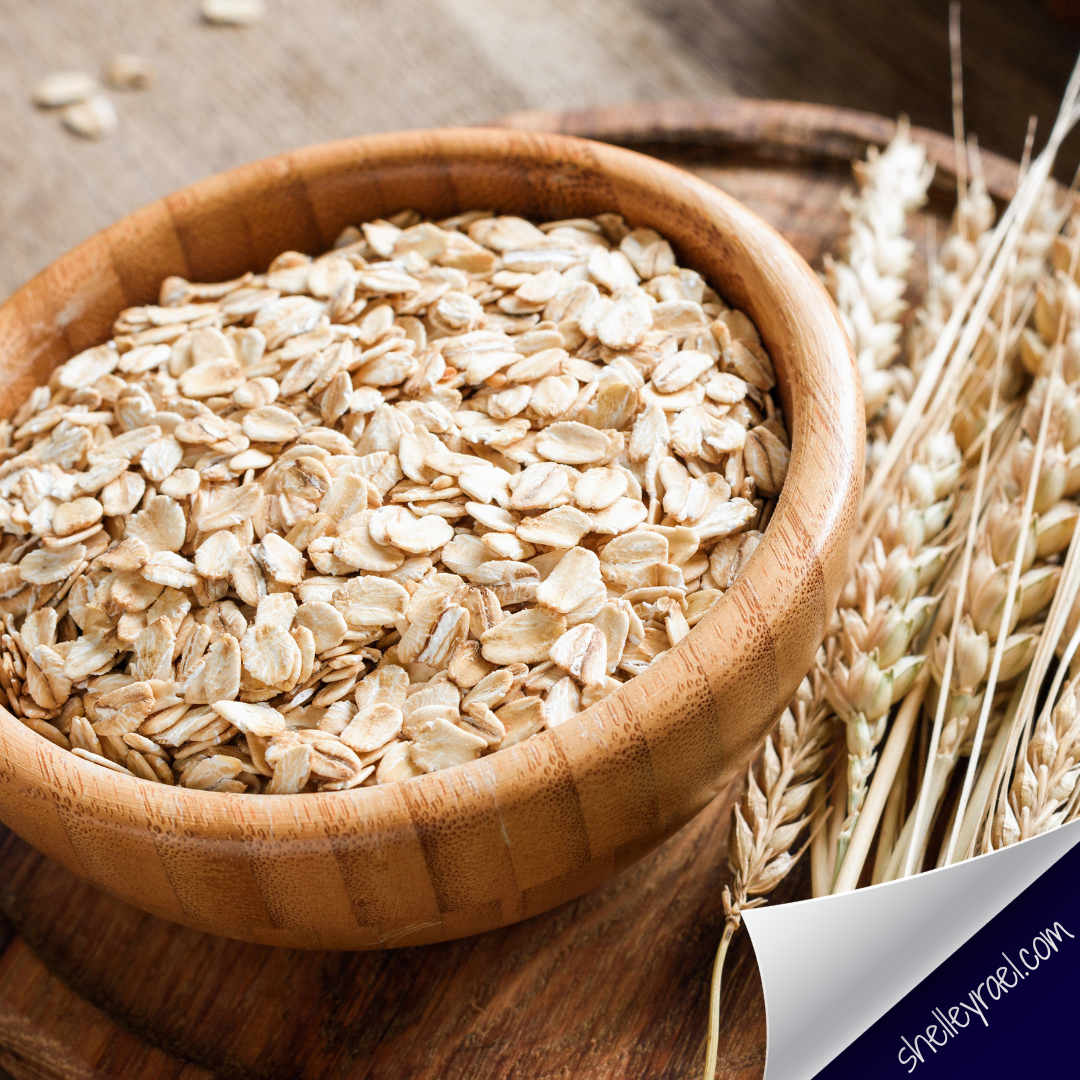
Rolled oats: Also called old-fashioned oats, these are steamed and flattened. They cook more quickly than steel-cut oats and work well in baking, overnight oats, and other recipes.
Quick and instant oats: These are processed into smaller pieces or thinner flakes so they cook faster. They are still nutritious options. Flavored varieties may contain added sugar, so check the ingredient list if you want to know what else is in the package.
Processing affects cooking time and texture, but it doesn't mean instant oats suddenly lose all their nutritional value. Convenience counts, too.
What Does the Fiber in Oats Do?
A half-cup serving of dry oats typically provides about 150 calories, 5 grams of protein, 27 grams of carbohydrates, and 4 grams of fiber. The exact amounts vary by product.
Oats contain both soluble and insoluble fiber. Insoluble fiber helps add bulk to stool, while soluble fiber dissolves in water. Both are important for digestive health, but they work differently.
One type of soluble fiber in oats is beta-glucan. It forms a gel-like substance in the digestive tract and drives some of the health benefits associated with eating oats.
Oats and Cholesterol
This is one of the best-supported reasons to include oats in your eating pattern. Beta-glucan can help lower LDL cholesterol, often called "bad" cholesterol.
It works in part by affecting bile acid absorption and removal. The liver uses cholesterol to make bile acids, so when more bile acids are removed from the body, the liver uses more cholesterol to make them.
How much of an effect you see depends on your overall diet, how much beta-glucan you consume, and other individual factors. Oats are not a substitute for cholesterol-lowering medication when medication is needed, but they can be one part of an eating pattern that supports heart health.
Oats and Digestive Health
Fiber helps support regular bowel movements and can help prevent constipation. Gut bacteria also ferment beta-glucan, making it a fiber source that supports the gut's microbial environment.
If you are trying to eat more fiber, increase your intake gradually and drink enough fluids. Adding a lot of fiber at once can lead to gas, bloating, or other digestive discomfort. That is true of fiber-rich foods in general, not just oats.
Oats, Blood Sugar, and Fullness
The fiber in oats can slow digestion and influence how quickly carbohydrates are absorbed. However, oats do not affect everyone's blood sugar in exactly the same way. The type of oats, how you prepare them, what you eat with them, and your individual response all matter.
Fiber can also help you feel satisfied after eating. But oats are not a weight-loss food in the sense that eating them automatically leads to weight loss. Your overall eating pattern, activity, and other factors matter much more than any one food.
Are Oats Gluten-Free?
Oats are naturally gluten-free, but cross-contact with wheat, barley, or rye can occur during growing, transportation, and processing.
If you have celiac disease, look for oats labeled gluten-free. Even then, some people with celiac disease may react to avenin, a protein found in oats. If you have celiac disease and are considering adding oats to your diet, talk with your healthcare professional about what is appropriate for you.
If you don't need to avoid gluten, oats are simply another whole-grain option.
Do You Have to Cook Oats?
No. You can cook oats, soak them, or add them to recipes in other ways.
Overnight oats are a common example. Combine rolled oats with milk or a milk alternative, refrigerate overnight, and add your preferred toppings when you are ready to eat. You can also blend oats into a smoothie or use them in baked goods.
The best method depends on the recipe and the type of oats you are using. Steel-cut oats, for example, will not give you the same texture as rolled oats in overnight oats.
How Else Can You Use Oats?
If you buy oats but rarely make oatmeal, there are plenty of other options.
Smoothies: Add a small amount of oats for extra fiber and a thicker texture.
Pancakes and muffins: Mix oats into the batter or use ground oats as part of the flour.
Homemade snack bites: Combine oats with nut butter and dried fruit.
Granola and fruit crisps: Use oats as a base for granola or as part of a crumble topping.
Savory dishes: Try cooked oats with vegetables, herbs, cheese, or an egg.
Meatloaf and meatballs: Use oats instead of breadcrumbs as a binder. I have used oats in meatloaf, and they work well for this purpose.
You can also experiment with oats in homemade bars and other baked recipes. They are a practical pantry ingredient, especially if you want something that works in both sweet and savory dishes.
The Bottom Line
Oats provide whole-grain carbohydrates, protein, fiber, and several vitamins and minerals. Their beta-glucan content is particularly useful when talking about cholesterol and heart health, and their fiber contributes to digestive health.
You do not need to buy a specific variety or find a way to eat oats every morning. Use them in recipes you enjoy, and choose the type that fits your cooking habits. They are a versatile ingredient that fits many different eating patterns.
Real World Nutrition Refreshed. As nutrition science and perspectives evolve, older blog posts are occasionally updated and republished. This post was originally written in October 2023 and has been refreshed and expanded here.