
5 Simple Ways to Add Wellness Into Your Day
5 Simple Ways to Add Wellness Into Your Day
“Start a wellness routine” sounds nice in theory, but it often comes with a long list of unrealistic changes. A new workout plan, a fridge full of perfectly prepped meals, meditation sessions, and a full eight hours of sleep…every night. For most people, trying to overhaul everything at once leads to burnout, frustration, or just giving up.
So instead of chasing a perfect wellness plan, let’s focus on small, consistent actions that are actually doable. These don’t require a gym membership, an app subscription, or a huge time commitment. Just small, steady shifts that you can do today.
Here are five simple ways to add wellness into your daily routine:
1. Movement Breaks
What This Means:
Taking short breaks throughout the day to move your body without committing to a full workout.
How to Implement It:
Stand up and stretch. Walk a few laps around your home or office. Do a set of squats, shoulder rolls, or walk while on a phone call.
How Often:
Every hour or two, especially if you’re sitting most of the day.
How Long:
2 to 5 minutes is enough to get the benefit.
Benefits:
Short-term: Improves focus, reduces stiffness, and gives your brain a quick reset.
Long-term: Supports joint health, circulation, and energy levels.
Getting Started:
Set a timer on your phone or calendar as a reminder. Link it to something you already do, such as after finishing a meeting or an email.
How to Keep It Going:
Choose a few favorite moves that are easy to do anywhere. Don’t overthink it. Movement is movement.
2. Hydration
What This Means:
Drinking enough fluids throughout the day to support energy, digestion, and focus.
How to Implement It:
Keep a water bottle nearby. Start your day with a glass of water. Alternate water with coffee or tea.
How Often:
Aim to sip regularly throughout the day, especially between meals.
How Long:
Hydration is ongoing, not a one-time thing. Spread it out instead of chugging at once.
Benefits:
Short-term: Better energy, fewer headaches, and more alertness.
Long-term: Supports metabolism, kidney function, and digestion.
Getting Started:
Use a bottle with measurement markers or track with a sticky note. Set a goal like “refill twice today.”
How to Keep It Going:
Add fruit or herbs to change it up. Make it visible and easy to access. Hydration doesn’t have to be plain or boring.
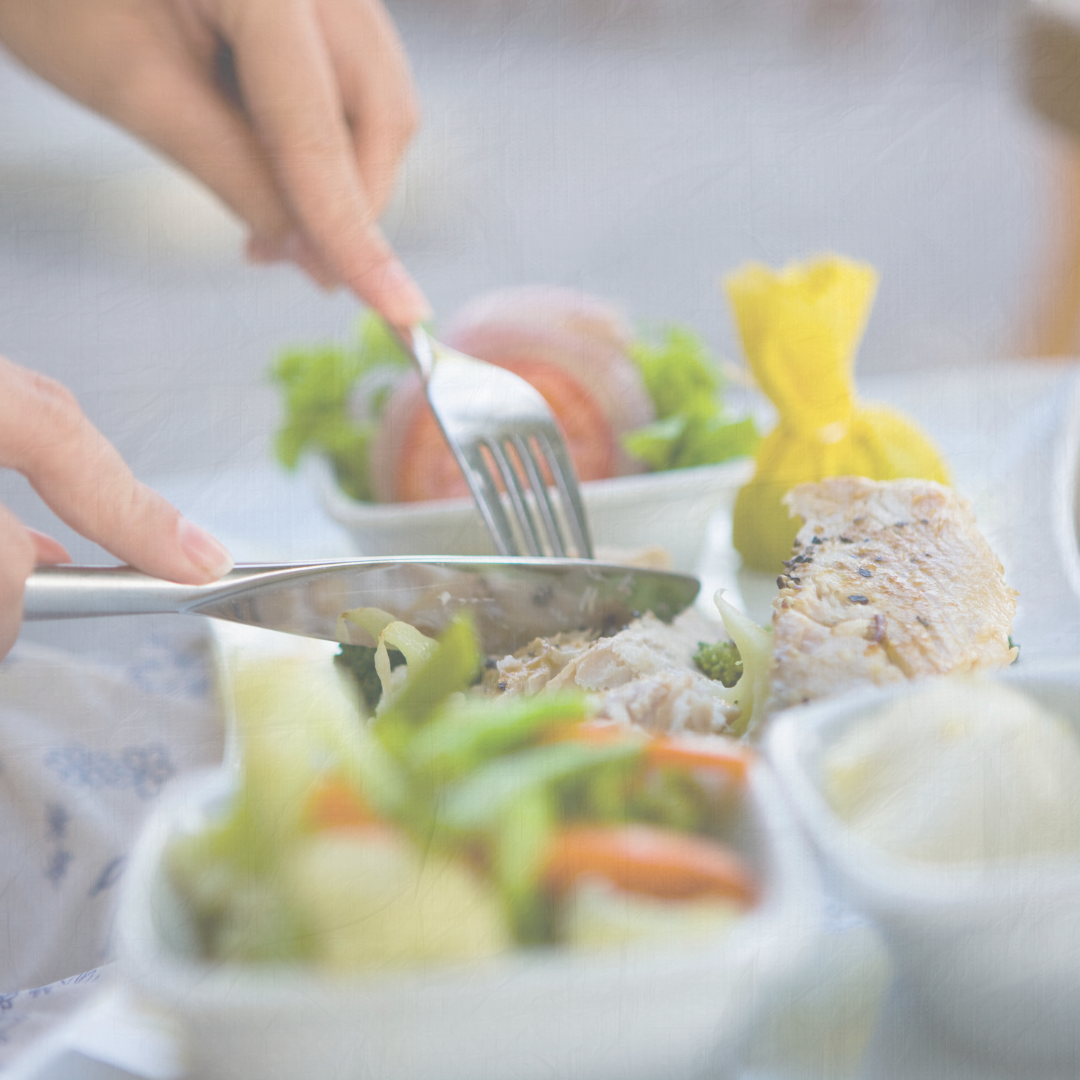
3. Mindful Eating
What This Means:
Being present when you eat. Paying attention to the food, not multitasking.
How to Implement It:
Put the phone down. Turn off the TV. Focus on the taste, smell, and texture of the food.
How Often:
Start with one meal or snack a day.
How Long:
10 to 20 minutes is enough for most meals.
Benefits:
Short-term: Increased satisfaction, better digestion, and feeling full sooner.
Long-term: Helps with portion control and creates a healthier relationship with food.
Getting Started:
Pick one meal or snack to eat without distractions. Focus on chewing and actually tasting the food.
How to Keep It Going:
Start small. Build from there. You don’t need to be perfect. Just be aware.
4. Unplugging
What This Means:
Taking intentional breaks from screens and devices.
How to Implement It:
No phone during meals. Turn off notifications for a while. No scrolling first thing in the morning or right before bed.
How Often:
Once or twice a day to start.
How Long:
Start with 15 to 30 minutes of screen-free time.
Benefits:
Short-term: Reduced stress and mental clutter.
Long-term: Better sleep, more focus, and improved mood.
Getting Started:
Pick one time of day to unplug. Maybe while eating lunch or the last 30 minutes before bed.
How to Keep It Going:
Create a routine that doesn’t involve your phone. Replace screen time with music, reading, or just sitting still for a few minutes.
5. Add Color to Your Meals
What This Means:
Adding fruits and vegetables of different colors to your meals and snacks.
How to Implement It:
Toss spinach into scrambled eggs. Add berries to yogurt. Throw some bell peppers into a sandwich or wrap.
How Often:
Aim to include some color at most meals.
How Long:
This takes less than five minutes and doesn’t require a full recipe.
Benefits:
Short-term: More nutrients and fiber to keep you full and energized.
Long-term: Supports immune health, heart health, and digestion.
Getting Started:
Buy pre-washed or frozen fruits and vegetables. Keep them where you’ll see them.
How to Keep It Going:
Mix it up each week. Don’t worry about perfection—just aim for a little more color most days.
Final Thoughts
Wellness doesn’t have to be some massive project. You don’t need to “get your life together” all at once. These small, low-effort actions can have a real impact when done consistently.
Pick one to start. Keep it simple. Let it become part of your day, not another thing on your to-do list.