Real World Nutrition News You Can Use
There is a lot of misinformation about nutrition. And nothing in this field is black-or-white, yes-or-no, but many shades of gray and a lot of “it depends.” So, my goal is to help clear up some of that misinformation with some snark, entertainment, and facts (with some opinion thrown in).
Many of these topics come from interactions with the public, friends, clients, and students. I see sheer misinformation about the science of nutrition, and I do my best to clear things up one blog post at a time.
If you have a topic you are wondering about, let me know.
Looking for a specific topic? Search to see if it is already here.
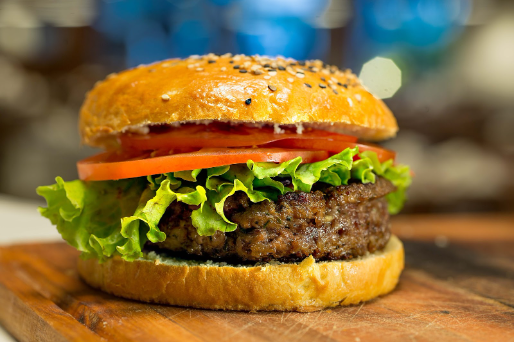
Beyond Impossible Meat
When something new comes along, people will suddenly label it as healthy food when this just isn’t true.
Take plant-based “meats” as an example.
Why people gravitate to these varies. Perhaps they want to eat less meat or no meat, for humanitarian reasons, environmental reasons, or religious beliefs. I get that. Somehow, we still have to make food taste like meat that isn’t meat.
But when people start spouting about it being healthier or less processed? Hard no.
What Foods Are GMO?
What Foods Are GMO? Not as many as you think.
People often refer to certain foods as “GMO” foods and others as “non-GMO foods.” Often when people refer to some of these non-GMO foods, I do have to roll my eyes (internally) because the food they are referring to is the non-GMO fact a GMO version does not exist.
Is Going Vegan Healthier?
Is Going Vegan Healthier? People often tell me the eat vegan because it is healthier. Many people assume that just because they are not eating animal-based foods, it automatically makes their diet better or healthier. Not necessarily.
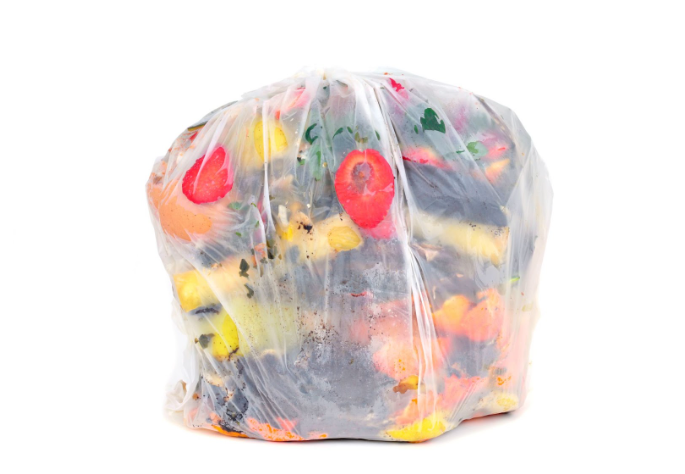
What You Can Do to Reduce Food Waste
It is estimated that a family of four loses $1,500 in uneaten food each year (in the United States). And much of this food waste is food purchased for preparation and consumption but not.
What does this mean?
It is not the leftovers you put in a container to eat later and forget. That is food waste, but not the majority of it.
It is not the food left on the plate. As much as our parents or grandparents, and even us as parents, tell the kids to clean their plates, this isn’t a significant contributor to food waste.
The concern and issue here are that all this food is going to the landfill which contributes to methane greenhouse gas.
Changes Happen All the Time
Changes happen all the time, but in some cases, people resist them or give pushback when these changes occur. It is human nature to resist change, but consider there are many things that are constantly changing in our lives. And most of the time we accept it.
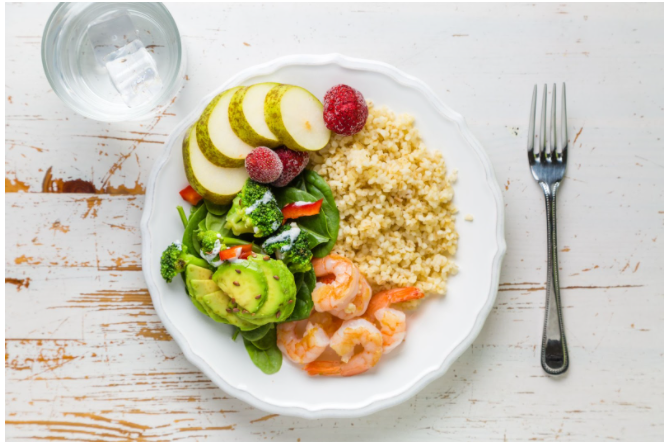
The Myth of the “Perfect Diet”
What is the “perfect” diet? It is the diet that would promote weight loss, eliminate heart disease, eliminate all risk of cancers, eliminate the risk of diabetes, and balance hormones. Does this exist?
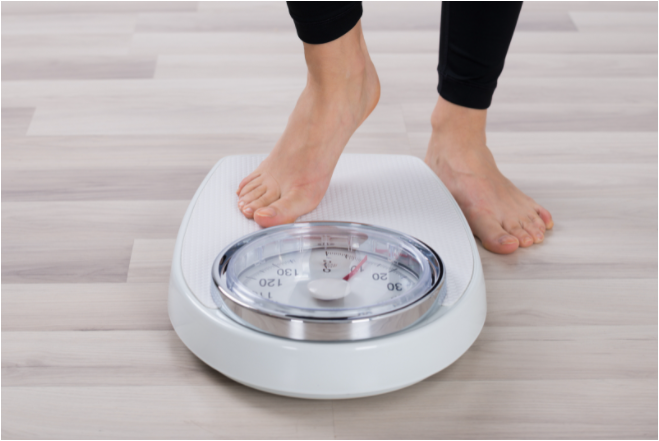
The Number on the Scale
Why does the number on a scale bother people so much? Why do some people put a lot of value on that number? Because they are acculturated to do so? Or do they believe their value is connected to it? The number on the scale measures the mass of something or someone here on Earth. But it means the world to so many people. But this isn’t as important a number as people think it is. What numbers are important?
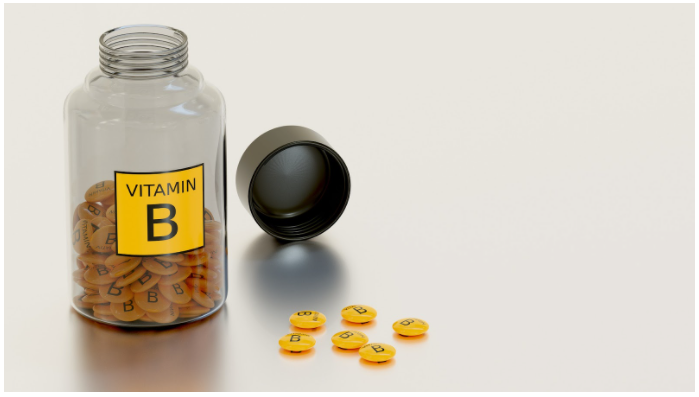
Vitamin B?
People will often refer to “vitamin B” which is not an accurate statement. There are eight B vitamins all with different names, roles, and recommendations. And, most don’t need supplementing if you have a varied diet. Learn more about the different ones and which might need supplementing.
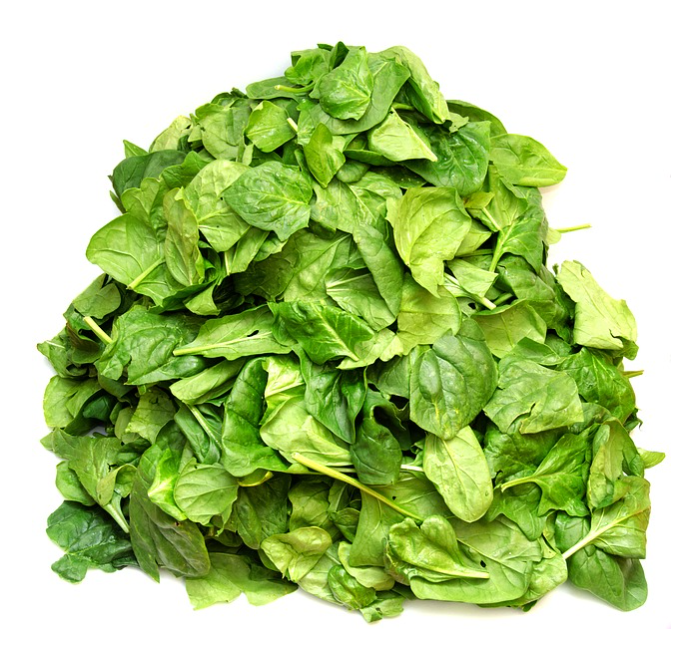
Good For You Green Food
In honor of St. Patrick’s Day, I list seven good green foods for you. And “green juice” is not one of them. ?

Are These Foods Healthy?
There are many foods people think of as healthy that really aren’t. What are they? I list five here.
Can you guess what they are?
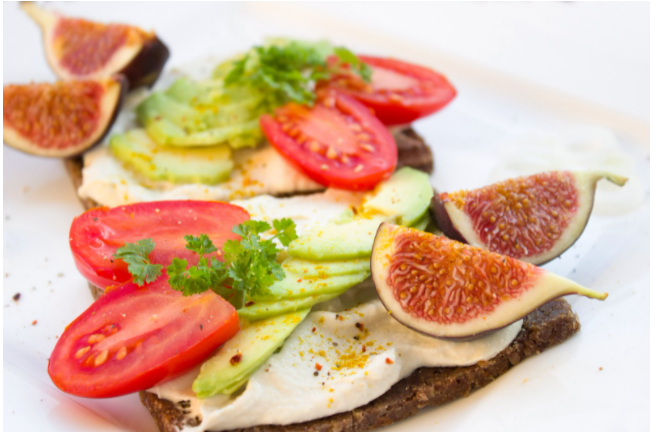
What Are Whole Foods?
People tell me that they choose primarily “whole foods,” and I often respond by saying I will shop nearly anywhere. And really I haven’t been to Whole Foods (the grocery store) in years.
But using the expression “whole foods” and focusing on what people describe as whole foods often means that people know what they are putting into their bodies. In theory, there are no confusing ingredients, no hidden calories, no added sugars, and no added fats.
But in reality, choosing so-called “whole foods” can help simplify eating so people don’t need to spend extra time figuring out what is in highly processed foods. And you will know what you are eating.
Five Tips for Healthier Eating
There is a lot that people can do to start healthier eating, but where to start? Today I give your FIVE tips to start on healthier eating. It isn’t complicated, just pick one and get started today.

The Season of Fried Fish Fridays
It is the season of Lent, and while I am not catholic, I know there is an influence of having fish on Fridays, at least during this time of year. Watch television ads or go to a restaurant during lent (which in 2022 started on March 2), and there will very likely be a fish special.
Now, I must address an issue that presents itself more often than I’d like: fish can be healthy, but not when it is fried.

No Longer Living Among the Pyramids
The MyPlate food icon replaced the Food Pyramid in 2011. So why do people not realized that is in the past, and the Plate is the thing to know? And it isn’t a rule, but a guideline.

Macros are Back – And We Still Aren’t Counting Them
Following up on a post about macros from nearly a year, ago, I address the question, “ How are foods chosen that will precisely fit a particular macro group?
Get out the calculator and read this first.
Carrot or the Stick – What Motivates You?
Many of us have goals, resolutions, those things we know we should do or want to accomplish, but something tends to get in the way. And these things are often something to focus on year-round, not just at the start of the year, month, or week.
And especially not AFTER a new medical diagnosis.
But MOTIVATION is a big part of us achieving the goals we have. So many things can motivate people, and there are many reasons people choose not to do something they know are good for them.
Is Blood Cholesterol Still Relevant?
The Dietary Guidelines for Americans 2020-2025 looks at many health issues and makes recommendations for lifestyle factors, mostly diet, to help improve the overall health and reduce the risk of chronic disease among Americans over the age of 2.
With American Heart Month in full swing, this article focuses specifically on blood cholesterol values related to risk for cardiovascular disease (CVD) – also referred to as heart disease.
Heart disease is the leading cause of death in the U.S, and about 18.2 million adults have coronary artery disease, the most common form of heart disease.
Hypertension, high LDL cholesterol, and high total cholesterol are major risk factors for heart disease.
Motivation to Keep Up Your Health and Wellness Goals
I know that not everyone sets resolutions, but many people do set goals of what they want to do this year. So, with just over 6-weeks into the year, dry January behind us, Girl Scout cookie season in full swing, Superbowl Sunday, and Valentine’s Day behind us, maybe now is a time to review those goals again. By now, we may set many of those goals aside because of lack of motivation or no/poor results. Are you one of those people? I hope not.

High Blood Pressure Risk Factors
This year for American Heart Month the big focus is on blood pressure. High blood pressure has several risk factors and several lifestyle factors that directly affect it. Even with family history and age factored into our risk, we can still do many other things to keep that risk lower.
What Are You Doing To Help Your Heart?
In case you haven’t heard, February is American Heart Month. Heart Month happens every year. People think of heart attacks and the drama we see on television and how that presents itself (or not). In reality, heart disease encompasses several diseases, including high blood pressure and blockages of the blood vessels, increasing the risk of heart attack and stroke. Here is the thing: people tend to think of how to help their heart AFTER a cardiac episode. So what can they do to improve their health AFTER the issue is already there?
But we can do things each day to reduce the risk of getting some form of heart disease before a visit to the emergency department or the surgery or the medications.