
Take FIVE: Five Ways to Visualize Portion Sizes

Five Ways to Visualize Portion Sizes:
Using Your Hand (And Other Common Objects)
for Balanced Eating
As we consider mindful eating, use a practical and readily available tool for assessing portions: your hand. Get more ideas of portion sizes with everyday objects that can help you with balanced and mindful eating.
Look at Your Hand for Reference:
Palm for Protein: Your palm can conveniently estimate protein portions. A serving of meat, poultry, or fish roughly the size of your palm provides about 3-4 ounces of protein.
Fist for Veggies and Fruits: Use your fist to estimate the minimum vegetable or fruit portion. Whether it's a salad, broccoli, carrots, apples, oranges, this method ensures a generous serving of nutrient-rich veggies and fruit.
Thumb for Fats: When incorporating healthy fats into your meal, think about your thumb. A serving of nuts, seeds, or avocado about the size of your thumb is a good guideline for maintaining a balanced fat intake.
Cupped Hand for Grains and Starchy Vegetables: The cup of your hand can help you with appropriate portions of grains and starchy vegetables (like potatoes and beans). You don't need to skip these but remember this portion.
Tip of Your Thumb for Added Fats: Using butter or other added fats? The tip of your thumb is a guide to a reasonable portion of added fats. Moderation is key.
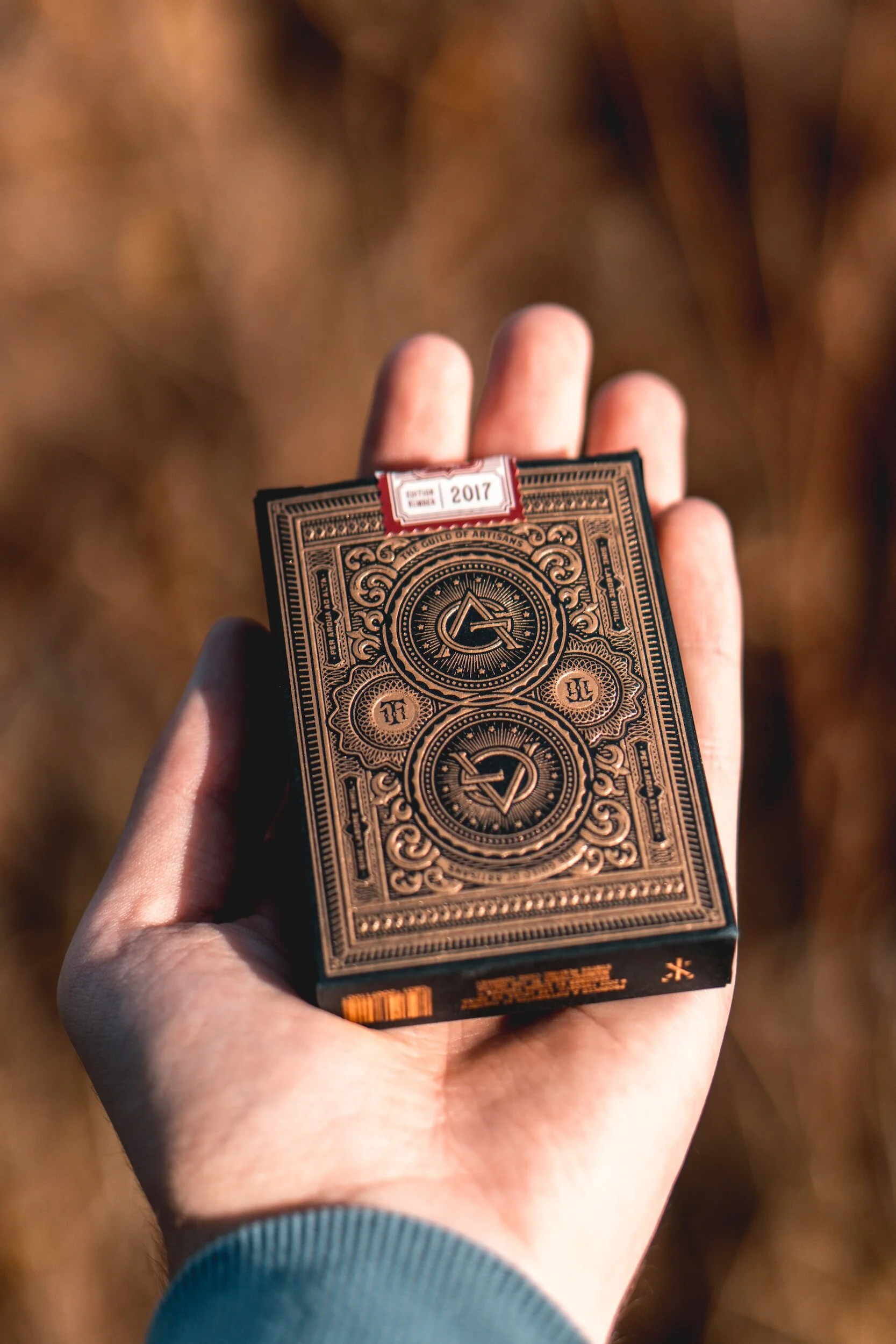
The palm of your hand, or a deck of cards, for a portion of protein.
Daily Objects for Reference:
Deck of Cards for Protein: Picture a deck of cards to envision a proper portion size for protein. This classic reference helps you maintain protein balance without needing a scale.
Baseball (or Tennis ball) for Fruit: A medium-sized piece of fruit, like an apple or orange, is about the size of a baseball.
DVD or CD for Baked Grains: This is good for pancakes, waffles, tortillas, or other grains like English muffins. That’s the disk itself, not the case too!
Computer Mouse for a Medium Baked Potato. And remember, it isn’t the potato that is the issue; it is what we do to it (add salt, add fat, and more) that makes it not-so-healthy.
Golf Ball (or Ping-Pong Ball) for Nut Butters: The serving size is two tablespoons of nut butter (remember those are healthy fats).
While only some things fit into this list, it gives you a visual of some typical serving sizes for various foods. No carrying around a scale or measuring tools (which I only recommend with cooking and baking, not daily eating), but being able to look at something and get an idea of whether you are getting too much, too little, or just right. simplicity of using your hand and everyday objects to measure portions. Here is a balanced and mindful approach to eating.