
Antioxidants and Phytochemicals: What They Are and Why They Matter
Antioxidants and Phytochemicals: What They Are and Why They Matter
When you hear the words antioxidants and phytochemicals, what comes to mind?
If you're like many people, you might picture a bottle of supplements.
Vitamin C tablets.
Vitamin E capsules.
A beta-carotene supplement.
Maybe a green powder promising an impressive collection of "powerful antioxidants."
But here's something that often gets overlooked:
Antioxidants and phytochemicals are found naturally in foods.
They're part of the foods we eat every day.
Fruits.
Vegetables.
Beans.
Whole grains.
Nuts and seeds.
Tea.
Coffee.
And many other plant foods.
You don't have to buy them in a bottle.
In fact, I would much rather see you get these compounds from a varied diet than spend your money chasing individual antioxidant supplements.
So, here I want to explain what these terms actually mean.
First, What Is an Antioxidant?
An antioxidant is a substance that can help protect cells from damage caused by highly reactive molecules, including free radicals.
Our bodies naturally produce these free radicals as part of normal metabolism. Exposure to things like cigarette smoke, air pollution, and other environmental factors can also contribute to oxidative stress.
Our bodies have their own antioxidant defense systems, including antioxidant enzymes.
We also get antioxidants from food.
And this is where things get interesting.
Some antioxidants are vitamins.
Some are minerals or mineral-related compounds.
Some are phytochemicals.
And some are compounds produced naturally by the body.
So antioxidant does not mean vitamin, and antioxidant does not mean phytochemical.
Those categories overlap, but they're not interchangeable.
What Are Phytochemicals?
The word phyto comes from Greek and means "plant".
Phytochemicals are naturally occurring chemical compounds found in plants. They're sometimes called phytonutrients.
Unlike vitamins and minerals, phytochemicals are not considered essential nutrients. In other words, we don't have a specific dietary requirement for them, unlike vitamin C, iron, or calcium.
But that doesn't mean they are unimportant.
Plants produce thousands of different compounds, and researchers continue to study how these compounds interact with our bodies.
Phytochemicals include many different categories of compounds, such as:
Carotenoids
Flavonoids
Polyphenols
Anthocyanins
Glucosinolates
Lignans
Organosulfur compounds
You've probably encountered some of these names before.
Anthocyanins are responsible for many of the red, purple, and blue pigments in foods such as berries.
Glucosinolates are found in cruciferous vegetables such as broccoli, cabbage, Brussels sprouts, and kale.
Polyphenols are a large group of compounds found in foods including berries, tea, coffee, cocoa, nuts, and many fruits and vegetables.
These compounds may have antioxidant, anti-inflammatory, cell-signaling, or other biological effects.
But I want to emphasize the word may.
We know quite a bit about these compounds, but we are still learning how individual phytochemicals work in the human body and how much of any one compound is beneficial. So, while we know a lot, there is probably way more that we don’t know. Yet.
This is one reason I get uncomfortable when a single food or compound is promoted as a cure-all or the “secret” to anti-aging.
Where Do Vitamins and Minerals Fit?
Vitamins and minerals are essential nutrients.
Your body needs them to function properly.
Vitamin C, for example, is needed for collagen production, wound healing, and normal immune function. It's also an antioxidant.
You can get vitamin C from oranges, strawberries, kiwi, bell peppers, broccoli, tomatoes, potatoes, and many other fruits and vegetables. (Office of Dietary Supplements)
Vitamin E is another example.
Vitamin E is a fat-soluble vitamin that functions as an antioxidant in the body. Good food sources include nuts, seeds, vegetable oils, spinach, and broccoli. (Office of Dietary Supplements)
Then there's beta-carotene.
Beta-carotene is a carotenoid pigment found in foods such as carrots, sweet potatoes, winter squash, spinach, and other colorful fruits and vegetables.
Your body can convert beta-carotene into active vitamin A, which is important for vision, immune function, growth, and development. (Office of Dietary Supplements)
So is beta-carotene a vitamin?
No.
It's a carotenoid, and some carotenoids, including beta-carotene, can be converted into vitamin A.
Is it an antioxidant?
Yes, beta-carotene has antioxidant properties.
Is it a phytochemical?
Yes, because it is a plant-derived compound.
See where the overlap comes in?
A Food Can Contain All of These Things
This is where I think the conversation about nutrients gets unnecessarily complicated.
Take a red bell pepper.
It's a food.
That food contains vitamin C.
It also contains carotenoids and other phytochemicals.
It contains water and fiber.
It contains several vitamins and minerals.
And it contains other compounds we may not even have identified or fully understood yet.
The same thing happens with an orange.
An orange contains vitamin C, but it isn't just a vitamin C delivery system.
It also provides fiber, water, potassium, carotenoids, flavonoids, and other plant compounds.
That's the point I made in my article Whole Foods vs. Isolated Nutrients: Why Food Synergy Matters.
When you eat a whole food, you get a combination of nutrients and compounds that interact with one another.
We don't necessarily know which individual component is responsible for every health benefit associated with a food.
And it may not be one component.
It may be the combination.
What Do These Compounds Actually Do?
This is where we need to separate what we know from what we suspect.
We know vitamins and minerals perform specific functions in the body.
For example, vitamin C is essential for collagen production and immune function. Vitamin E helps protect cells from oxidative damage. Vitamin A supports vision and immune function.
We also have substantial evidence that eating patterns rich in fruits, vegetables, whole grains, legumes, nuts, and other plant foods are associated with better health outcomes.
But that doesn't mean we can point to one antioxidant and say, "That's the reason."
Research on antioxidant supplements has actually taught us an important lesson.
Eating foods rich in antioxidants is associated with health benefits, but taking high-dose antioxidant supplements doesn't necessarily produce the same results.
In some situations, high doses can even cause harm.
For example, high-dose beta-carotene supplements have been associated with an increased risk of lung cancer in people at high risk, particularly smokers. High-dose vitamin E supplements can also increase certain health risks. (NCCIH – Antioxidant Supplements: What You Need To Know)
This is one reason I don't recommend taking antioxidant supplements simply because you heard antioxidants are good for you.
More is not necessarily better.
So Should You Take Antioxidant Supplements?
Generally, I would not recommend taking an antioxidant supplement simply because you want more antioxidants.
That isn't the same as saying supplements are never appropriate.
There are situations where a vitamin, mineral, or other supplement may be medically appropriate.
For example, someone with a documented nutrient deficiency may need supplementation. Certain medical conditions, medications, life stages, or dietary restrictions can also increase the need for specific nutrients.
That's different from taking a handful of supplements just to "boost" your antioxidant intake.
Supplements can also interact with medications and may have risks of their own. (NCCIH – 5 Tips: What Consumers Need To Know About Dietary Supplements)
Food is a much better place to start.
Stop Chasing the "Best" Antioxidant Food
This brings me back to something I discussed in my article and podcast about superfoods.
Blueberries are nutritious.
So are strawberries.
Spinach is nutritious.
So is kale.
Walnuts are nutritious.
So are almonds and pecans.
Coffee and tea contain many plant compounds.
So do beans, whole grains, herbs, spices, fruits, and vegetables.
We don't need to choose one winner.
In fact, variety is the whole point.
Different plants contain different combinations of vitamins, minerals, antioxidants, phytochemicals, fiber, and other compounds.
Eating a variety of foods gives you a wider range of those components.
Instead of asking:
"What's the best antioxidant food?"
I'd rather you ask:
"How can I eat a greater variety of plant foods?"
That's a much more useful question.
What Does This Look Like in Real Life?
It doesn't have to be complicated.
Have berries with your oatmeal one morning and a peach another day.
Choose spinach for your salad one day and roasted broccoli another.
Eat black beans, chickpeas, lentils, or pinto beans.
Use different herbs and spices.
Have nuts or seeds as a snack.
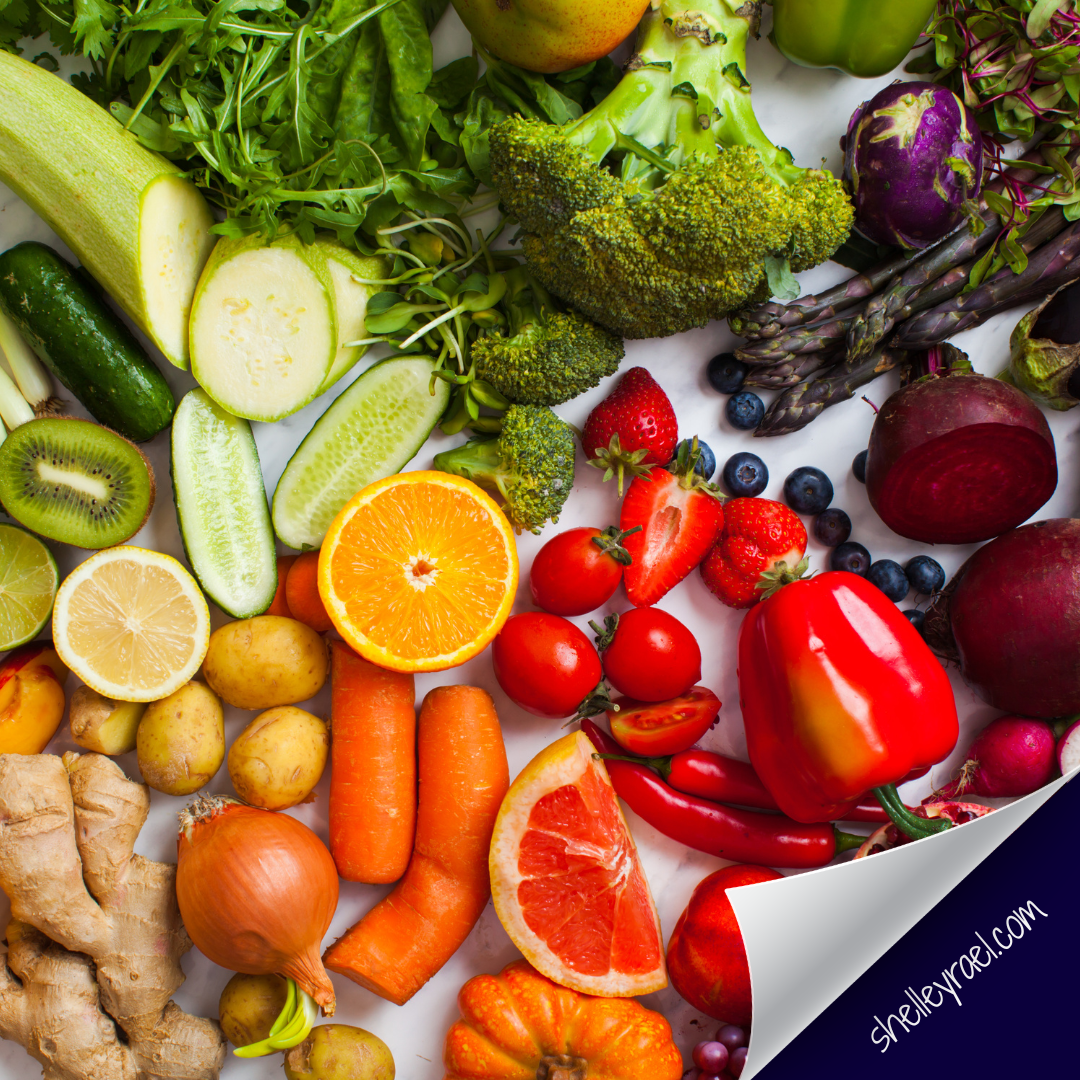
Drink coffee or tea if you enjoy them.
Try different colors of fruits and vegetables.
You don't need to buy a $50 container of powdered antioxidants.
You don't need to eat blueberries every day because someone called them a superfood.
You don't need to memorize every phytochemical.
Just eat a variety of foods.
The Bottom Line
Antioxidants, phytochemicals, vitamins, and minerals are all part of the larger nutrition picture, but they aren't interchangeable terms.
Some vitamins and phytochemicals have antioxidant properties.
Some plant compounds are being studied for potential health benefits beyond their antioxidant activity.
And many of these compounds naturally occur together in the foods we eat.
That's important because nutrition isn't just about isolated nutrients.
It's about food.
And it's about the overall eating pattern.
If you want more antioxidants and phytochemicals in your diet, my advice is pretty simple:
Eat more variety.
Choose different fruits and vegetables.
Include beans, whole grains, nuts, and seeds.
Enjoy herbs, spices, coffee, and tea if you like them.
And don't worry about finding the one "best" food.
There isn't one.
The goal isn't to chase a superfood.
It's about building a varied eating pattern that provides your body with a wide range of nutrients and plant compounds over time.
That's where the real nutritional value is.
Learn More
Superfoods, Functional Foods, and Nutraceuticals: Do They Really Matter?
Whole Foods vs. Isolated Nutrients: Why Food Synergy Matters
NIH National Center for Complementary and Integrative Health (NCCIH):
NIH Office of Dietary Supplements (ODS)
Dietary Supplement Fact Sheets – collection of fact sheets and other resources