
Eco-Friendly Eating: Simple Swaps for a More Sustainable Diet
Eco-Friendly Eating: Simple Swaps for a More Sustainable Diet
Earth Day may fall on April 22, but eating in a way that supports the health of the planet isn’t a once-a-year event. Our food choices, from what we eat to how we store leftovers, all contribute to our environmental impact. The good news? Even small changes in our daily habits can add up to meaningful progress when enough of us participate.
No one expects that all of these are doable for everyone. However, a shift toward more sustainable eating can help reduce greenhouse gas emissions, conserve water, minimize waste, and support better food systems without a complete lifestyle overhaul.
Here are some simple food-related swaps that make a difference. Try one, a few, or all; every action counts.
1. Swap Single-Use Packaging for Reusable Storage
Why it matters: Single-use plastics are a huge contributor to pollution.
Try this: Use glass containers, beeswax wraps, or silicone bags instead of plastic wrap and disposable bags. Start with just one area (like lunch or leftovers) and build from there.
2. Swap Bottled Water for a Reusable Bottle
Why it matters: Bottled water has a significant carbon footprint and creates unnecessary plastic waste.
Try this: Keep a reusable bottle in your bag, car, or at your desk. Choose filtered tap water when available — it’s more regulated and more sustainable.
3. Swap Meat-Centric Meals for Plant-Forward Plates
Why it matters: Animal agriculture is a leading source of greenhouse gas emissions and resource consumption.
Try this: Aim for one meatless meal a day or designate a “Meatless Monday.” Focus on beans, lentils, tofu, or eggs as affordable protein swaps.
4. Swap Imported Produce for In-Season, Local Options
Why it matters: Foods flown across the globe have a higher energy footprint than local or seasonal options.
Try this: Check your local farmers’ market or grocery signs for what’s in season near you. Bonus: in-season foods often taste better and cost less.
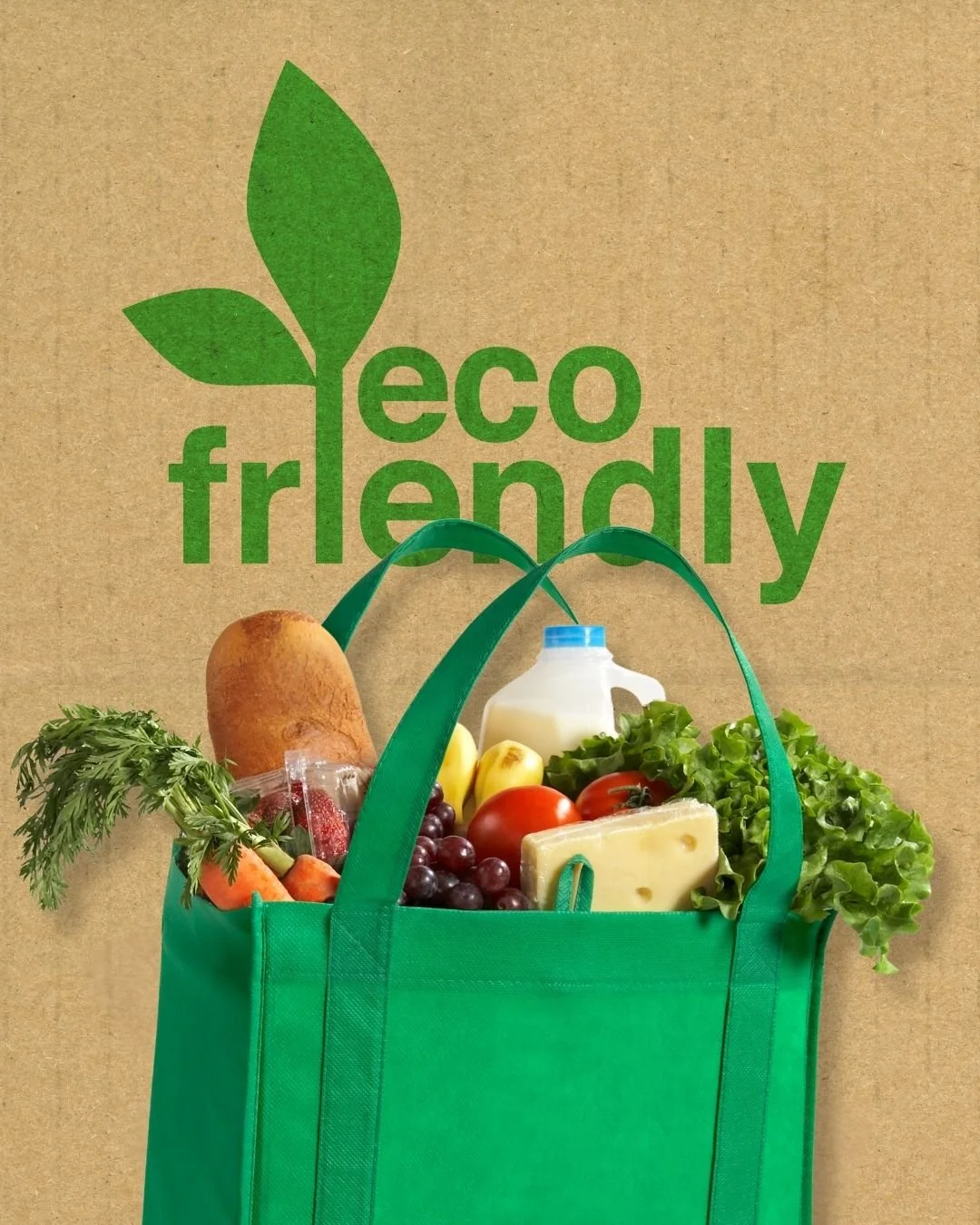
5. Swap Pre-Cut and Over-Packaged Foods for Whole Ingredients
Why it matters: Pre-packaged items often generate more waste and require more energy to process.
Try this: Choose whole carrots instead of baby carrots or a block of cheese instead of shredded. It often costs less, too!
6. Swap Tossing Leftovers for a Plan to Use Them
Why it matters: Food waste contributes to methane emissions in landfills.
Try this: Designate a “leftovers night” once a week or get creative by turning bits and pieces into soups, stir-fries, or grain bowls.
7. Swap Plastic Produce Bags for Reusable Mesh or Cotton Bags
Why it matters: Those thin produce bags rarely get recycled and add up over time.
Try this: Keep a few reusable produce bags in your main shopping tote so they’re always on hand. If it’s reasonable, just skip them altogether - do bananas need to be in a bag?
8. Swap Food Waste for Composting (When Possible)
Why it matters: Composting reduces the amount of waste sent to landfills and enriches the soil.
Try this: If you have outdoor space, look into a small backyard composter. Apartment living? Some cities offer compost drop-off or countertop bins with pickup.
9. Swap Out-of-Season Avocados and Berries for Preserved or Frozen Options
Why it matters: Out-of-season produce is often shipped long distances.
Try this: Stock up on frozen berries, veggies, and fruits when they’re on sale. They’re often more affordable, just as nutritious, and reduce spoilage.
10. Swap Fast Food Convenience for Pantry-Based Quick Meals
Why it matters: Highly processed convenience foods generate waste and often rely on unsustainable sourcing.
Try this: Keep a running list of your favorite quick meals that use pantry staples think beans + rice + frozen veggies or a simple pasta with sautéed greens.
Final Thought
Sustainable eating doesn’t mean giving up your favorite foods or radically changing your routine overnight. It’s about making mindful choices that, over time, contribute to better outcomes for your health and the planet.
Even one small change, when practiced consistently or adopted by many, has the potential to ripple outward. So if you’re wondering where to begin, pick the easiest swap from this list and try it this week.
Because progress isn’t about doing it all; it’s about participation.