
Protein – Plant vs. Animal Sources: What You Need to Know
Protein – Plant vs. Animal Sources: What You Need to Know
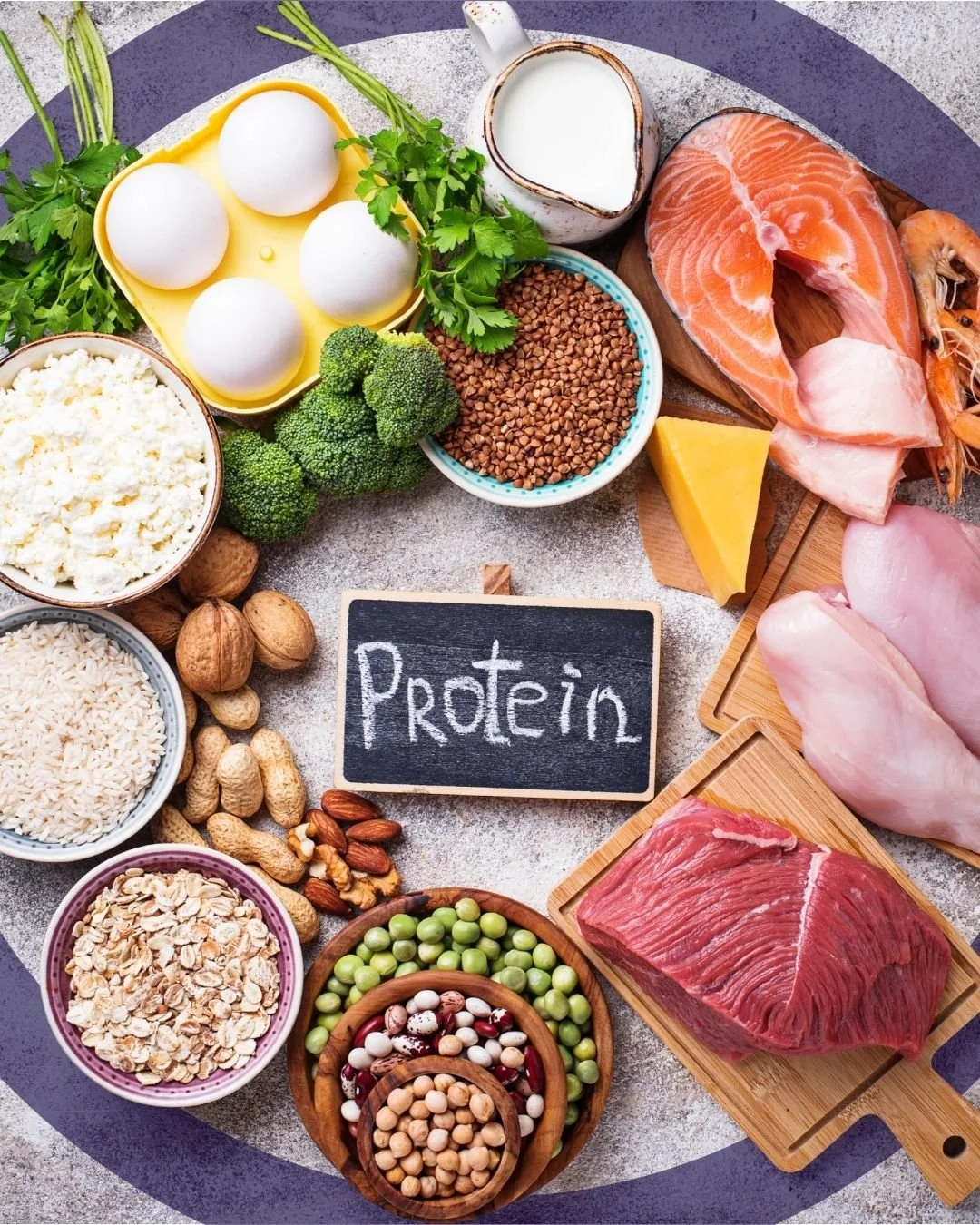
Do you think meat is the only source of protein? You’re not alone; many people still believe this.
As a dietitian and a college nutrition instructor, I can confirm this misconception is alive and well. Every term in my sports nutrition class, I see students surprised and shocked to learn they can get protein from plenty of foods other than meat or protein shakes.
Let’s be clear: meat and other animal products are excellent protein sources, but are far from the only ones.
It’s pretty hard not to get enough protein if you’re eating various foods throughout the day, even without meat.
Animal-Based Protein Sources
Yes, animal-based foods are reliable and high-quality protein sources. Here’s a quick look:
Red meat (beef, pork, elk, venison, bison): ~25 grams of protein in 3 ounces
Poultry (chicken, turkey, duck): ~25 grams per 3 ounces
Fish and seafood: ~20 grams per 3 ounces
Eggs: ~6–7 grams per egg
Dairy:
Cow’s milk: 8 grams per cup
Greek yogurt: ~18 grams per cup
Cheese: varies, but a slice of cheddar (1 oz) has about 7 grams
These are all considered “complete” proteins, meaning they contain all the essential amino acids your body needs.
Plant-Based Protein Sources
Here’s where people are often surprised: Protein is in many plant foods, too.
Here is a breakdown by various food groups/types:
Legumes, Beans, and Lentils
These are some of the powerhouses of plant-based protein:
Lentils (1 cup, cooked): 18 grams
Garbanzo beans (1 cup, cooked): 10 grams
Black beans (1 cup, cooked): 15 grams
Edamame (1 cup): 17 grams
Nuts and Seeds
These vary a bit in protein content, but they also offer healthy fats and fiber.
Peanuts (1 oz): 7 grams
Peanut butter (2 Tbsp): 8 grams
Sunflower seeds (1 oz): 6.5 grams
Almonds (1 oz): 6 grams
Chia seeds (2 Tbsp): 5 grams
Grains
Yes, grains have protein; some, like quinoa, are complete proteins.
Quinoa (1 cup, cooked): 8 grams
Oats (1 cup, cooked): 6 grams
Brown rice (1 cup, cooked): 5 grams
Barley (1 cup, cooked): 3.5 grams
Even gluten, the infamous “scary” compound in wheat, is a protein.
Vegetables and Fruits
They aren’t major protein players, but they do contribute:
Broccoli (1 cup, cooked): 4 grams
Spinach (1 cup, cooked): 5 grams
Kale (1 cup, raw): 2 grams
Bananas (1 medium): 1 gram
Strawberries (1 cup): 1 gram
Let’s Talk Balance, Not Extremes
One of the biggest misconceptions I see is that you must choose one protein source over another, like it’s an either-or situation. Not even close – it all contributes.
A student asked me how many vegetables it would take to equal a 12-ounce steak. The answer? Technically possible, but you’d also be eating nearly 100 grams of fiber. That’s… not recommended. (Please don’t try it.)
Instead of " replacing” meat with vegetables, gram-for-gram, consider your overall daily intake. You can get protein at every meal without needing meat every time. A meal with grains, legumes, and vegetables can easily add up to 20+ grams of protein.
Whether you eat animal products, plant-based foods, or a bit of both, protein is accessible in many forms. It’s not about perfection — it’s about variety and balance.
The Bottom Line
Meat and animal-based foods are excellent sources of protein, but they’re not the only ones.
Plant-based foods like legumes, nuts, grains, and even vegetables contribute to your daily protein intake.
You don’t have to eat meat at every meal to meet your protein needs.
Mixed meals from different food groups give you the best of both worlds.
Curious how your current meals stack up? Take a look; you might be getting more protein than you think, even without trying.
Real World Nutrition Refreshed: I am revitalizing and updating my archive of blogs and re-publishing them. Stay tuned as I review, update, refresh, and re-share these posts to provide you with even more valuable information on nutrition, health, and overall wellness—and keep things timely. A portion of this blog was initially posted on October 19, 2021, and is updated here.