
What Foods Are GMO? Not as Many as You Think
What Foods Are GMO? Not as Many as You Think
When people talk about “GMO” foods, it often sounds like everything in the grocery store is genetically modified. But the truth is, very few foods are actually genetically modified—or, more accurately, bioengineered (BE).
The term GMO, or genetically modified organism, has been used for decades in public conversations about food technology. However, the more accurate, now-official term used by the U.S. Department of Agriculture is bioengineered (BE). This is the term you’ll see on food labels as part of the National Bioengineered Food Disclosure Standard, which took full effect a few years ago.
So, when you see the small circular “BE” symbol on packaging, it means that the product contains ingredients made from a bioengineered crop. You’ll see BE used more often now, but it refers to the same technology people used to call GMO.
GMO vs. BE: What’s the Difference?
In short, they refer to the same process of using modern biotechnology to make precise changes in a plant’s DNA. These changes help crops resist pests, tolerate drought, prevent browning, or improve nutrition. The main difference is that “bioengineered” is the legal labeling term, while GMO remains the term most consumers still recognize.
Think of it like in vitro fertilization (IVF) for plants, where scientists are giving nature a hand. Instead of randomly cross-pollinating plants and waiting to see what happens, the process takes place in a controlled environment, where specific genes are introduced or adjusted to produce a desired trait. It’s still the same plant species, but with a targeted improvement, like building in natural protection against a pest or slowing down browning. This technology doesn’t make a plant “unnatural”; it simply helps it thrive in ways traditional breeding can’t always achieve efficiently.
What Foods Are Actually GMO or BE?
Despite what marketing might suggest, the list is short. Only a handful of crops are approved and commercially grown as genetically modified or bioengineered in the United States:
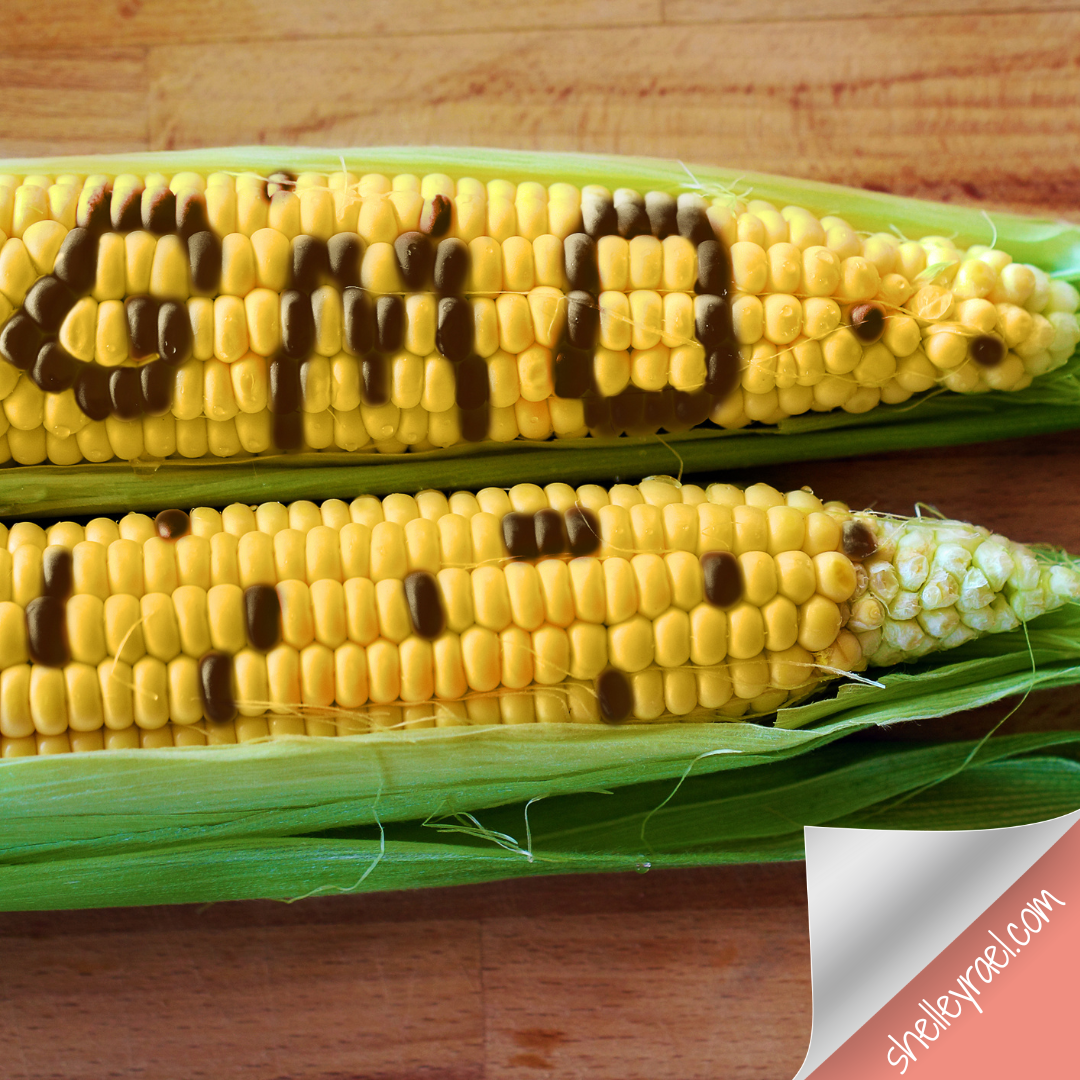
Corn – Most field corn is bioengineered, primarily used for animal feed, ethanol, and some food ingredients (like corn syrup or corn oil). Popcorn and sweet corn are not bioengineered unless specifically labeled.
Soybeans – Mostly used for animal feed and soybean oil.
Cotton – Used in cottonseed oil and animal feed.
Canola – Commonly used in canola oil.
Alfalfa – Used as feed for dairy cows and designed to resist certain herbicides.
Sugar Beets – Provide about half the sugar produced in the U.S.
Papaya – Some Hawaiian papaya varieties were bioengineered to resist the ringspot virus. Not all papayas are BE, but those grown in Hawaii often are.
Summer Squash – Certain types were engineered to resist plant viruses.
Potatoes – Some varieties are designed to resist bruising and browning. Most potatoes are not BE.
Apples – A few specific varieties, such as the Arctic Apple, resist browning after being cut. Most apples are not BE.
Emerging and specialty bioengineered foods include:
Pink Pineapple (grown in limited amounts)
AquAdvantage Salmon, a faster-growing salmon available in limited markets
Certain eggplant varieties, though not available in the U.S.
What Isn’t GMO or BE
There’s a long list of foods that are not genetically modified or bioengineered.
There are no GMO or BE versions of:
Wheat, rice, barley, or rye
Peanuts or any tree nuts
Grapes, oranges, bananas, berries, or most other fruits and vegetables
Popcorn (its own corn variety that’s not bioengineered)
Wine, beer, or spirits (marketing claims about “non-GMO” versions are more about branding than science)
Agave plants (used for agave syrup and tequila)
If a food isn’t listed among the crops above, it’s not bioengineered. Many “non-GMO” labels you see on products like salt, bottled water, or even fresh produce are simply marketing, because there’s no bioengineered version of those foods in the first place.
Animals and GMO/BE Feed
Animals that eat bioengineered feed are not genetically modified animals. If a cow eats BE corn or soy, that doesn’t make the cow a BE animal, just as eating BE foods doesn’t make humans genetically modified. The only bioengineered animal approved for human consumption is the AquAdvantage salmon mentioned earlier.
Why Bioengineered Foods Exist
The goal of genetic modification and bioengineering isn’t to create “frankenfoods” (as headlines like to say). These technologies were developed to address real agricultural challenges:
Reducing crop loss from pests and disease
Limiting the need for certain pesticides
Improving drought tolerance
Reducing food waste from bruising or browning
Papaya farmers in Hawaii, for example, credit bioengineering for saving their industry from the ringspot virus. Similarly, apples and potatoes that resist browning can reduce the amount of perfectly good food thrown away simply because it looks less appealing.
The Bottom Line
Most of the food you buy is not genetically modified or bioengineered. The handful of crops that have been studied extensively and shown to be as safe and nutritious as their conventional counterparts.
Rather than fearing a label, focus on what really matters for your health: variety, balance, and moderation. And if you want to avoid bioengineered ingredients altogether, look for foods labeled organic, since they cannot contain BE ingredients by definition.
Don’t be afraid—be informed.
Real World Nutrition Refreshed: I am revitalizing and updating my blog archive and re-publishing it. Stay tuned as I review, update, refresh, and re-share these posts to provide you with even more valuable information on nutrition, health, and overall wellness—and keep things timely. A portion of this blog was initially posted on April 13, 2022, and has been updated here.