Intentional Wellness Goals for 2026: Start Small, Stay Steady
Intentional Wellness Goals for 2026: Start Small, Stay Steady
The end of the year has a way of making people reflective. It also has a way of pushing resolutions that sound good on paper and fall apart by mid-January. While it may feel predictable to talk about goals at the end of December, the timing still matters. The key is how those goals are framed and whether they are built to work in real life.
This is where the difference between resolutions and intentional goals matters.
Resolutions vs Goals
Resolutions tend to be broad, rigid, and loaded with expectations. They often start with language like always, never, or every day. Goals can fail just as easily if they are not set up with intention, context, and flexibility.
A resolution often sounds like this: “I am going to meal prep every Sunday.”
An intentional goal sounds more like this: “I want to prepare more meals at home because it helps me eat more consistently and saves money.”
One is a rule. The other has a reason behind it. That reason matters when life gets busy, motivation dips, or schedules change.
Example: Preparing More Meals at Home
This is one of the most common goals people set. It also tends to crash early when it is confused with meal prep.
Preparing more meals at home does not automatically mean cooking everything on Sunday and eating leftovers all week. For some people, that works well. For others, it feels overwhelming or tedious, and they quickly abandon it.
Starting small might look like:
Cooking dinner at home two nights a week instead of ordering out
Making or preparing breakfast at home on weekdays and keeping lunch flexible
Planning three simple dinners and leaving the rest open
Staying steady means choosing an approach that fits your current schedule and energy. If you are currently cooking once a week, jumping to seven homemade meals is unrealistic. A better goal is to add one or two meals and see how that feels.
There is no bonus for going all in and burning out by February.
Example: Drinking More Water
“Drink more water” is another classic goal that often turns absurd fast.
A resolution version sounds like: “I am going to drink a gallon of water every day.”
A realistic goal asks better questions:
How much are you drinking now?
When do you forget to drink?
What situations make hydration harder?
If you currently drink two to three cups a day, jumping to a gallon will not stick, and really isn’t necessary for most people anyway. Heck, it could even be dangerous. A better starting point may be adding one glass in the morning and one in the afternoon and/or keeping a water bottle nearby during work hours.
Hydration goals work best when they are tied to habits you already have, not numbers pulled from social media.
Example: Exercise and Movement
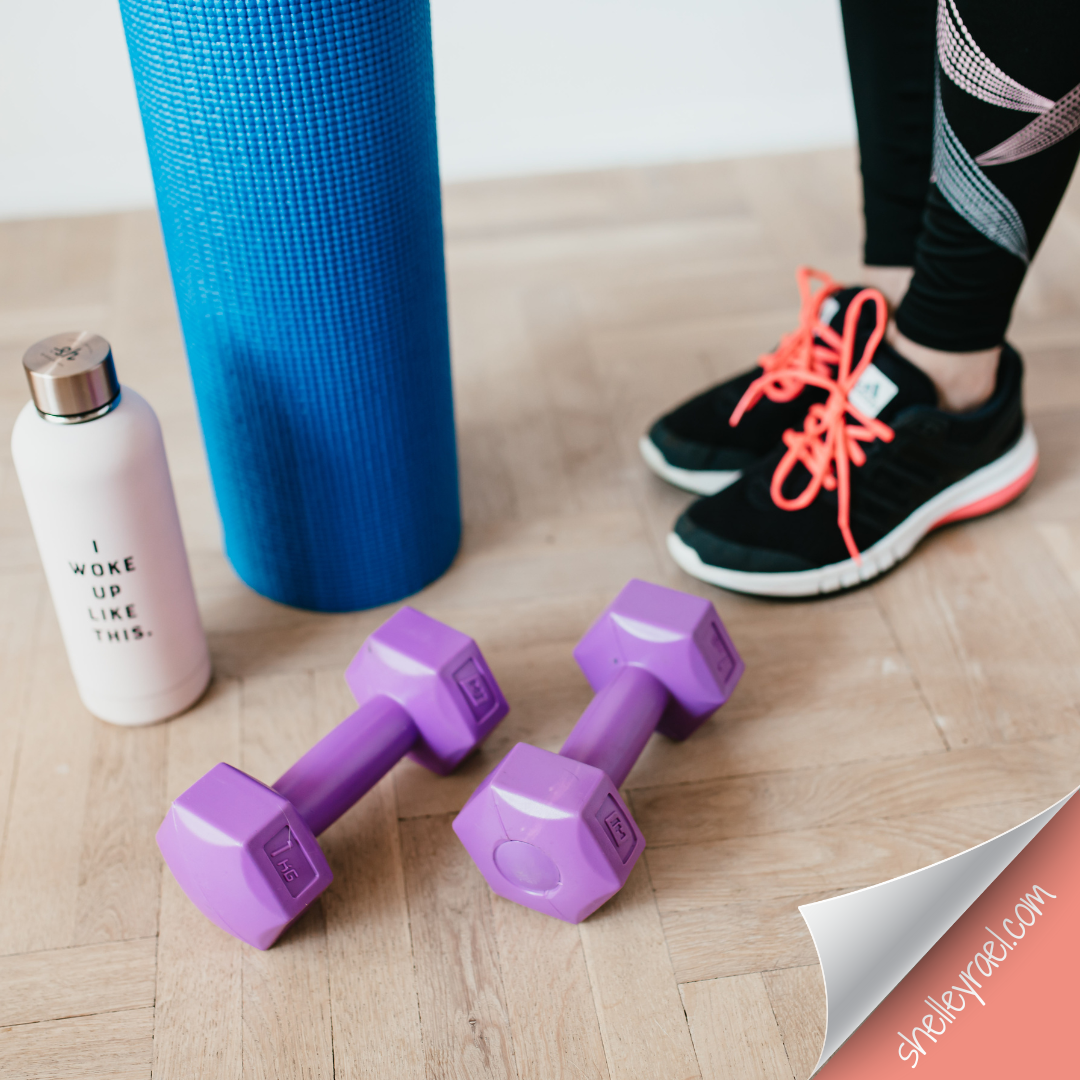
Exercise goals often fail because they aim for frequency instead of consistency.
“I will exercise every day” sounds motivating until the first missed workout. Then the whole plan feels ruined.
A steadier approach might be:
Walking 15 to 20 minutes three days a week
Adding one strength session per week
Increasing movement gradually as energy and time allow
Movement does not need to be all or nothing. Doing a little more than you are doing now is still meaningful. Consistency over time matters far more than intensity in January. And, skip this “every day” idea – it is important to have rest days.
Example: Flossing or Eating More Vegetables
Small habits matter, even when they seem boring.
If you do not floss regularly, flossing every tooth every night is a big leap. Starting with a few nights a week or even one tooth a night builds the habit without resistance.
The same applies to vegetables. Eating vegetables at every meal may not be realistic right now. Adding one vegetable serving per day is a solid starting point. That could be a side salad, roasted vegetables at dinner, or adding veggies to a sandwich.
Small habits are easier to repeat. Repetition is what makes them stick.
Areas to Consider for Intentional Wellness Goals
If you are thinking about where to focus in 2026, here are areas that tend to support overall health without pushing extremes:
Fruits and vegetables, aiming for variety rather than volume
Fiber intake from whole grains, beans, fruits, and vegetables – skip the supplements. Whole foods have more nutrients and benefits.
Protein that is spread throughout the day
Fluid needs that are based on your body and environment
Sleep routines and consistency
Alcohol habits, whether that means drinking less or not at all
Movement that includes strength, cardio, and flexibility
Stress management and recovery time
Social connection and support
You do not need goals in every category. One or two areas done well are more effective than trying to overhaul everything at once.
How To Get Started
Start by asking where you are right now, not where you think you should be. Then ask what feels doable for the next few weeks, not the entire year.
Write goals in a way that allows adjustment. Life changes. Schedules shift. Goals that are flexible and can bend are more likely to last.
It can also help to set checkpoints. Quarterly or monthly reviews allow you to adjust without feeling like you failed. A goal that needs tweaking is not a bad goal. It is a realistic one.
Staying Steady Throughout The Year
Motivation fades. That is normal. Systems matter more than motivation.
Support your goals by:
Keeping them visible
Pairing new habits with existing routines
Letting goals evolve as your life does
Dropping what is not working without guilt
Intentional wellness is not about starting strong. It is about choosing approaches that fit your life and staying with them long enough to matter.
As 2026 approaches, starting small and staying steady may not sound flashy, but it is what actually works.