Nutrition, Experience, and the Real World: Why the Basics Still Matter
Nutrition, Experience, and the Real World: Why the Basics Still Matter
Welcome to a New Year: Why Nutrition Basics Still Matter
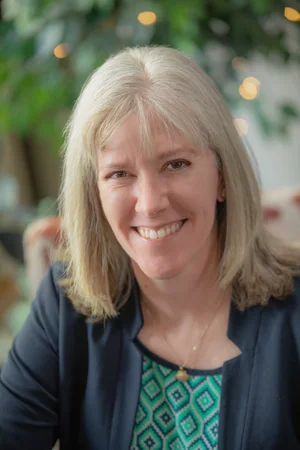
As we start 2026, I realize I haven’t ever really done a post about who I am and what exactly I do. I do have a bio page, or an about me page, that not everyone looks at, so I want to start by sharing a little about who I am, what I do, and why I approach nutrition the way I do. So, without making this all about me, I do want to share my experiences and how I got to where I am now.
I have been a Registered Dietitian Nutritionist since 1999 and earned my Master’s degree in Nutrition in 2000. My graduate school focus was nutrition and bone health, specifically osteoporosis. Like many dietitians, I expected my career to take a predictable path – really, I thought I would do the same thing more or less for my entire career. That was the 1999-2000 me. What I did not expect was how much variety, complexity, and perspective would shape my work over the years. This past year, realizing I have been doing this for over 25 years, I have served many populations in a wide variety of settings.
On the day I finished my dietetic internship, I was offered a position and started working the following Monday at the University of New Mexico's employee wellness program. I spent the next 13 years there working with faculty and staff through one-on-one counseling, presentations, and wellness programming. During that time, my role expanded to include students referred by medical providers from student health, peer training programs in which I trained students to educate their peers, and presentations for several university sports teams.
In 2010, I added another role as an adjunct professor, teaching 100-, 200-, and 300-level nutrition courses. Teaching college students, especially at the introductory level, tends to remind you of what people actually know, what they think they know, and how much misinformation they have picked up along the way—so much misinformation. I learn a lot from students as well.
In 2012, I left UNM as a staff member and expanded my private practice, which I had started on the side a few years before. I continued teaching as an adjunct at UNM for several more years. I began teaching at Central New Mexico Community College in 2012, where I still teach personal and practical nutrition and sports nutrition, and sometimes other classes. Working in both university and community college settings is so insightful, working with a variety of students – from high school dual credit students to those in older adulthood and some in their 30s who think they are “old.” As I mentioned, I learn a lot from students – like the belief that if you don’t have a pre-workout, you shouldn’t even bother going to the gym, or that carbs and fat are bad but protein is good.
In 2019, I was under contract with a publisher and wrote a cookbook, The One-Pot Weight Loss Plan: Healthy Meals for Your Slow Cooker, Skillet, and Sheet Pan. Around that time, I also began doing more contract work, which has significantly broadened my perspective and strengthened my practice.
My contract work spans a wide range of populations and settings. I work with individuals in recovery, an adolescent treatment center, two rural hospitals, Head Start programs, and wellness and group nutrition programming for Indigenous communities who are at higher risk for or living with type 2 diabetes. I also work with more than 70 home health individuals. Every one of these roles requires a slightly different approach, a different level of education, and a different understanding of access, culture, and lived experience. In some of these settings, I am also learning more.
Alongside all of this is my private practice, Real World Nutrition. This includes one-on-one nutrition counseling, writing, presenting, recording podcast episodes, creating educational content, and teaching. Real World Nutrition is exactly what it sounds like—nutrition that fits real lives, real budgets, real kitchens, and real priorities. And not with temporary restrictions, but with adjustments to life to support sustainable practices and approaches.

Okay, so why am I sharing all of this?
In every role I have held, I am reminded again and again that foundational nutrition education is still very much needed.
Working with such a wide variety of populations keeps me on my toes in a good way. I work with people who rely on SNAP and WIC benefits and with people who hold positions such as Vice Presidents and Associate Deans at universities. I work with individuals who have advanced degrees and are very comfortable with science, as well as people who are understandably skeptical when I tell them that certain foods are safe to eat. Completely safe. In the right context.
Not everyone can afford a Costco membership. Not everyone is comfortable in the kitchen, and they do not need to be. Many people are surprised to learn that most vitamins and minerals can come from food alone. Fortification and enrichment are not something to fear. They are helpful and, in many cases, necessary. Dietary guidelines are just that, guidelines. They are not rules, moral judgments, or mandates for individuals.
And sometimes, people truly do not know the basics. That is not a failure on their part. It is a reminder for me to meet people where they are.
My approach has always been to approach it with moderation, balance, and a non-diet framework. No guilt. No shame. No food is labeled as good or bad. That philosophy is at the core or foundation of Real World Nutrition. Food should support health, enjoyment, culture, and daily life. It should not be a constant source of stress or anxiety.
Over the years, diet culture, wellness trends, and social media have made nutrition feel more complicated than it needs to be. At the same time, they have created fear around essential foods and nutrients. Carbohydrates, fats, sugar, supplements, and even basic nutrition terms are often misunderstood or misrepresented.
That is why I am starting a series focused on nutrition basics.
This series will cover topics like carbohydrates, fiber, fat, protein, vitamins and minerals, sugar, and supplements. I will address what these things are, why our bodies need them (every single body needs them), and how to think about them in a practical, realistic way, without “fear.” Some topics will take more than one post and may span several posts. Others will build on earlier conversations. This is not meant to be rushed. Foundational understanding takes time. I will try to remember to cross-link them all when appropriate.
My goal is to help people understand without talking down to them. I am not here to lecture or shame or overwhelm. I am here to educate, inform, and provide context so you can make decisions that make sense for your life.
As we move through this year, I will build on these basics and revisit them as needed. Nutrition is not static, and neither are our lives. And we are on edge to see what 2026 brings from a public health perspective in the U.S. (We are expecting the new Dietary Guidelines any day now.) A real-world approach allows for flexibility, curiosity, and learning over time. If we learn more because science helps us understand things better, then we adjust our thinking, teaching, and approach.
Welcome to a new year. I am glad you are here. I invite you to explore more of the website and what I have to offer at Real World Nutrition