Your Health Is Not a Number on the Scale
Your Health Is Not a Number on the Scale
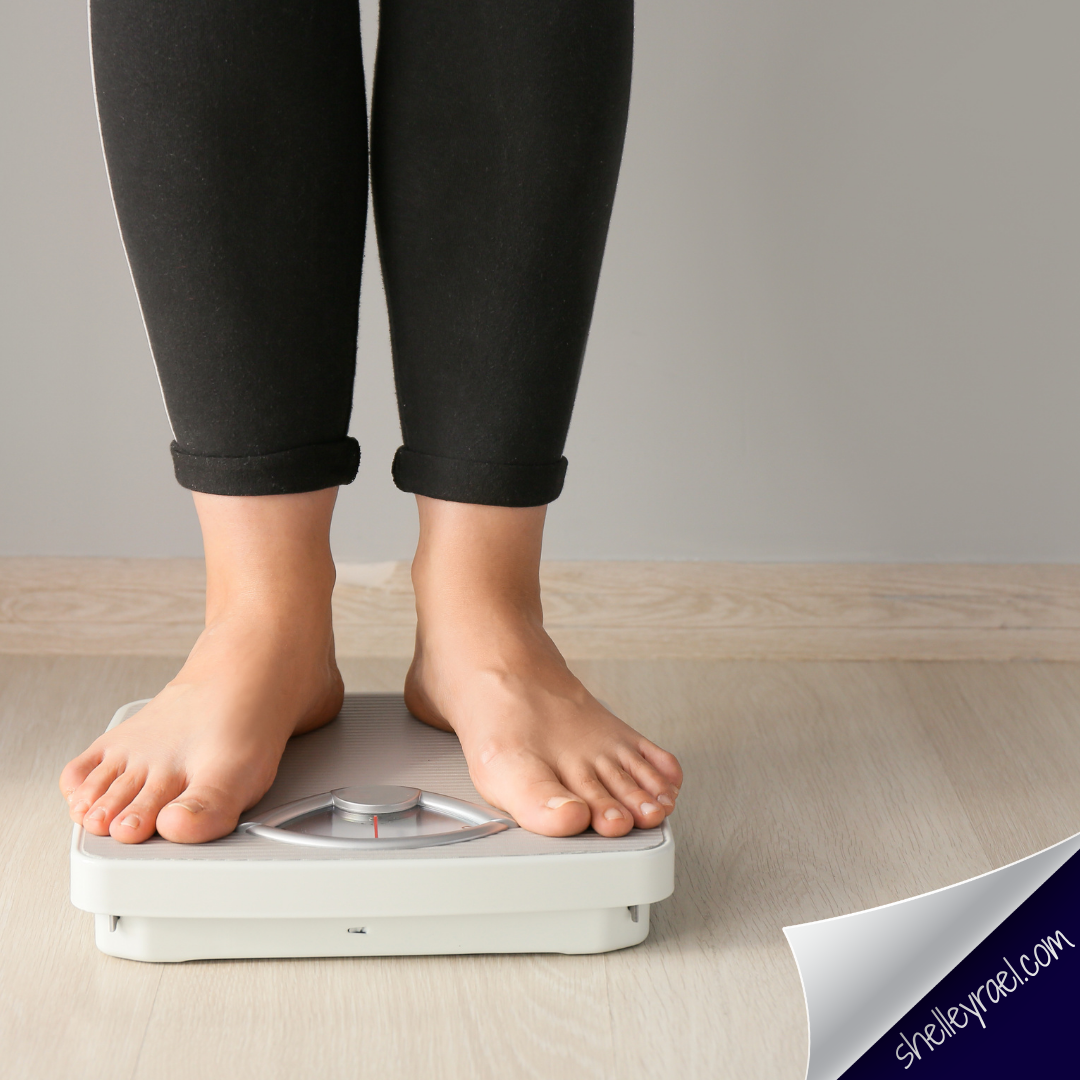
Have you ever stepped on a scale and immediately decided whether you were having a "good" or "bad" day? You are not alone.
Many of us have been taught, or have thought, that weight is shorthand for health.
Lose weight, get healthier.
Gain weight, something must be wrong.
Hit a certain number, and you have reached the goal.
Yeah, it’s not really that straightforward.
Weight can be one piece of health information. It can matter in certain medical situations, and changes in weight can sometimes signal something happening in the body. And that isn’t always a good thing.
But the number on the scale cannot tell you your blood pressure, blood glucose, cholesterol levels, physical fitness, sleep quality, mental well-being, eating pattern, or how well you are managing a chronic condition.
Health Beyond Weight FAQ
Can you be healthy at any body size?
Yes. People can have health-supportive behaviors and health measures at a wide range of body sizes. Body size alone cannot tell you someone's overall health.
Does body acceptance mean you don't care about health?
No. Body acceptance means recognizing that your body deserves care and respect regardless of its size. You can care about your health, address health concerns, and make health-supportive choices without making body size the focus.
Can you improve your health without losing weight?
Absolutely. Exercise, nutritious eating, better sleep, stress management, smoking cessation, preventive care, and appropriate medical treatment can all improve health, whether or not your weight changes.
Healthcare professionals look at many factors when assessing health and health risks, or at least they should. This includes lab results, blood pressure, medical history, medications, lifestyle patterns, and body measurements.
In other words, your health is not a number.
Health Behaviors and Health Outcomes Are Not the Same Thing
One of the most important distinctions when addressing health is the difference between health behaviors and health outcomes.
Health behaviors are things you do. You can choose to eat more fruits and vegetables, walk regularly, include strength training, get enough sleep, take prescribed medications, attend preventive appointments, or quit smoking.
Health outcomes are what happens in your body. Blood pressure, cholesterol, blood glucose, bone density, fitness, disease status, and many other measures are outcomes.
The two are connected, but they are not interchangeable.
You can have health-supportive behaviors and still develop high blood pressure.
You can exercise regularly and still have diabetes.
You can eat a nutritious diet and have high cholesterol.
You can do many things that support your health and still develop a chronic disease.
And the reverse is also true.
Someone can have a body size that falls outside what society considers "healthy" while having favorable blood pressure, blood glucose, cholesterol, and fitness measures.
This is one reason I frequently remind people that you can't determine a person's health by looking at them or by knowing their weight.
What Can You Influence?
This doesn't mean that health behaviors don't matter. They absolutely do.
Regular physical activity has benefits even when it doesn't result in weight loss. It can support cardiovascular health, blood glucose, muscle and bone health, sleep, mood, and overall physical function.
Food choices are also important. A nutritious eating pattern can provide the nutrients your body needs and support cardiovascular and metabolic health.
Sleep, stress management, avoiding tobacco, moderate or no alcohol use, preventive healthcare, and taking medications as prescribed can all matter.
You also can't control everything.
Genetics, age, medications, medical conditions, sleep, stress, environment, access to food and healthcare, and many other factors can influence both weight and health.
That distinction matters because it changes the question.
Instead of asking, "How do I make my body smaller?"
consider asking:
"What can I do to support my health with the body I have?"
That question gives you a lot more options.
Body Acceptance Does Not Mean Ignoring Health
Sometimes people misunderstand body acceptance as giving up on health.
It isn't. Not at all.
Accepting your body does not mean ignoring a high blood pressure reading. It does not mean skipping a medical appointment. It does not mean deciding that nutrition and physical activity don't matter.
It means recognizing that your body deserves care regardless of its size.
You can want to improve your blood glucose without making weight loss the goal.
You can work on your cholesterol without hating your body.
You can become stronger without trying to burn off every calorie you eat.
You can improve your fitness because you want to hike, travel, play with your kids, carry groceries, or get up from the floor more easily.
You can eat more nutritious foods because they support your health, not because you believe you need to earn the right to take up less space.
Health and body acceptance are not opposing ideas.
You Can Care About Your Health Without Trying to Shrink Your Body
This may be one of the biggest shifts in thinking for anyone who has spent years dieting.
If every health behavior has been tied to weight loss, it can be difficult to imagine another reason to do those things.
Why exercise if the scale isn't going down?
Why eat more vegetables if you aren't losing weight?
Why strength train if your goal isn't to change your body?
Because those things can benefit you regardless of what the scale says.
Physical activity can improve strength, endurance, cardiovascular health, and physical function.
Nutritious foods provide protein, fiber, vitamins, minerals, and other compounds your body needs.
Sleep supports physical and mental health.
Medical care can identify problems early and help manage existing conditions.
Those are worthwhile outcomes.
The scale doesn't have to be involved.
Shame Is Not an Effective Health Strategy
If shame were an effective health strategy, diet culture would have solved this problem a long time ago. Think about it.
Instead, many people have spent years cycling through diets, restricting foods, losing weight, regaining it, and blaming themselves for not being able to maintain the result.
Shame also doesn't make healthcare more accessible or easier to navigate. Feeling judged about your body can make people less comfortable seeking medical care, talking openly with healthcare professionals, or participating in physical activity.
There is a difference between talking honestly about health risks and using those risks to shame people.
We can acknowledge that body size can be associated with certain health risks without assuming that every person at a particular weight has the same health status, behaviors, medical history, or needs.
We can talk about nutrition without prescribing a diet based solely on the number on the scale.
We can encourage physical activity without making weight loss the center stage.
And we can encourage people to take care of their health without making their body size a measure of their worth.
So What Should You Pay Attention To?
If you want a more appropriate and useful way to assess your health, look beyond the scale.
Depending on your individual situation, that might include:
Blood pressure
Blood glucose or A1C
Cholesterol and triglycerides
Physical fitness and strength
Sleep
Eating patterns and nutritional adequacy
Physical activity
Mental and emotional well-being
Chronic disease management
Preventive healthcare
Medications and how they are working
Your ability to participate in the activities that matter to you
Not everyone needs to track all these things, and not every health measure applies to every person.
The point is simply this: there is more to health than weight.
You can care about your health without constantly trying to change your body.
You can make health-supportive choices without turning every choice into a weight-loss strategy.
And you can respect your body while still working with your healthcare team to address what actually needs attention.
Your body is not a grade.
Your weight is not a report card.
And your health is not a number on the scale.
Sources and Further Reading:
Chronic Disease Prevention: What You Can Influence and What You Can't
Healthy Eating Doesn't Have to Mean Eating "Healthy Foods" All the Time
American Heart Association Assessing Weight and Overall Health
ASDAH – Association for Size Diversity and Health: The Health At Every Size® Approach
NIH NIDDK (National Institute of Diabetes and Digestive and Kidney Diseases)
Note: These NIH links were active as of September 2026; however, the website notes that “NIH Websites Are Changing,” so the links may not be active later.