Deconstructing Food Labels – Part 4: Non-GMO Terms
Deconstructing Food Labels – Part 4: Non-GMO Terms
Wrapping Up the Food Label Series
This month, I’ve been revisiting a series on food labels I first wrote a few years ago. We’ve reviewed the required information, optional and regulated claims, and tricky front-of-package wording. Today we’re wrapping up with a closer look at non-GMO labels: what they mean, what they don’t, and whether they’re worth paying extra for.
What Does Non-GMO Mean?
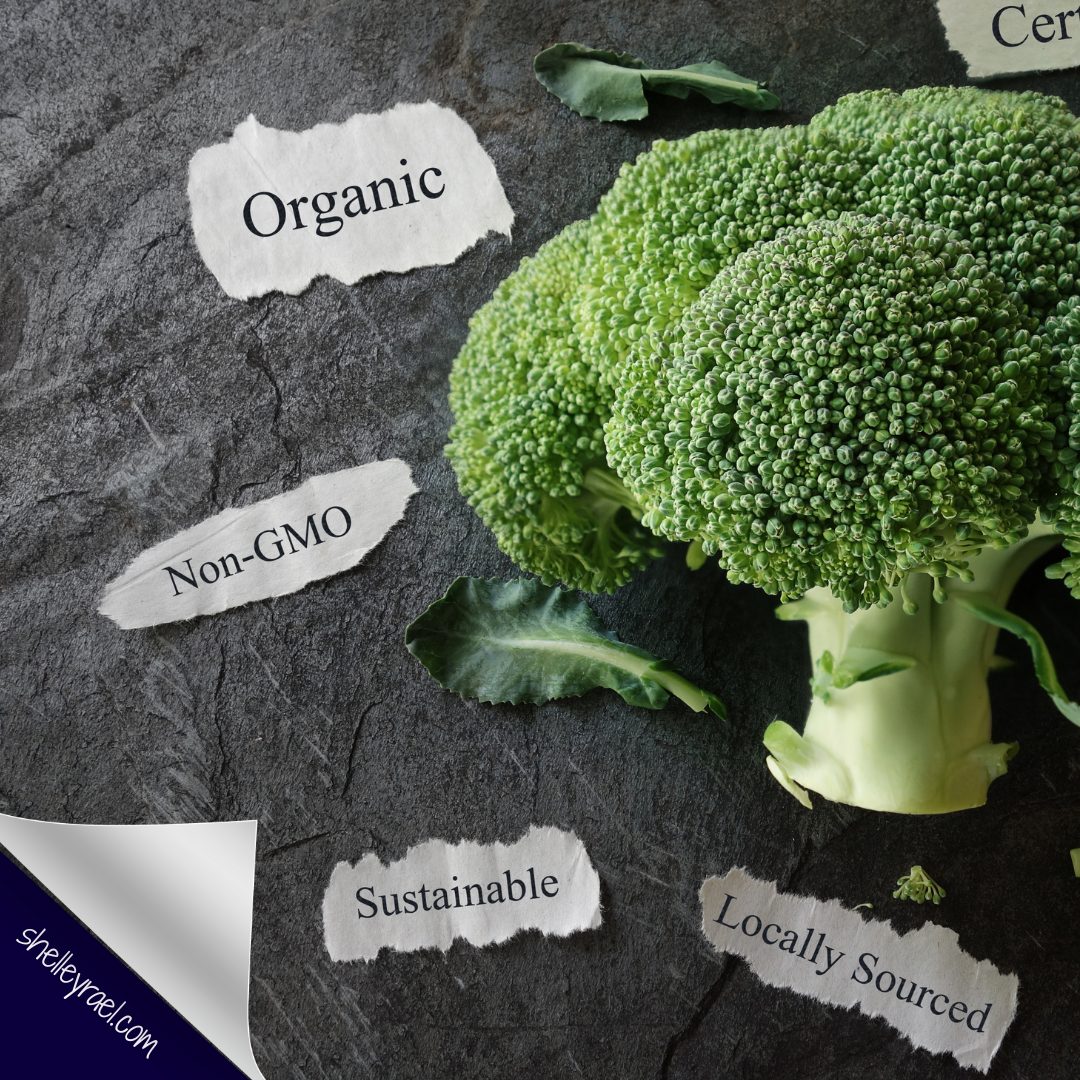
At first glance, a “non-GMO” label seems straightforward. It suggests the food is free of genetically modified organisms. The reality is more complicated. Just because a product has that label does not mean a similar product without the label is genetically modified. Many foods labeled as non-GMO are never genetically modified in the first place.
Fewer GMO Crops Than You Think
There is a significant amount of misinformation circulating about GMOs. People often mention “GMO wheat” or “GMO bananas,” but these crops do not exist in the food supply. Currently, only about a dozen crops are genetically modified in the U.S.:
Arctic Apples (this one specific variety, not all, are engineered to resist browning)
Papaya (Hawaiian varieties saved from a devastating virus)
Potatoes (some, not all, to resist bruising and browning)
Summer squash (certain varieties)
Sugar beets (not sugar cane)
Alfalfa (mainly for animal feed)
Canola (mainly for oil and animal feed)
Corn (not all, and popcorn is not GMO)
Soybeans (mainly for oil and animal feed)
Cotton (mainly for oil and textiles)
Pink pineapple (developed to have increased lycopene, found in watermelon and tomatoes.
That’s it. No GMO grapes, carrots, peanuts, bell peppers, or wheat. If you see a non-GMO label on those foods, it’s simply marketing.
When the Label Matters
Sometimes the non-GMO label makes sense. Take sugar, for example. A package labeled “non-GMO cane sugar” is letting you know it’s sourced from sugar cane rather than sugar beets, since sugar beets are a GMO crop. That’s useful if you’re avoiding GMO ingredients.
Other times, the label is unnecessary. A bag of raisins with a non-GMO stamp is still just raisins, whether the label is there or not. The same goes to carrots, bell peppers, or any other crop that does not have a GMO version available.
If you buy organic, you’re already avoiding GMOs. Foods labeled “organic” cannot legally contain GMO ingredients.
The Fine Print on Non-GMO Labels
The familiar butterfly logo from the Non-GMO Project is one of the most widely recognized certifications. But even they admit that their label does not guarantee a food is entirely free of genetic modification. It simply means the company met its verification standards, which do not cover every type of genetic alteration.
In addition, many products pay for the label even when the risk of GMOs is minimal. Peanut butter is a good example. Peanuts themselves are not genetically modified, but the sugar or oils added to certain brands may come from GMO sources, such as sugar beets, soy, or canola. That’s where the non-GMO label may apply.
Alcohol and Non-GMO
Some brands of wine, beer, or spirits are labeled as non-GMO. While it’s possible that corn or other GMO crops were used in the production process, the bigger question is: does it matter? Alcohol is a known carcinogen. Worrying about whether your beer is non-GMO while overlooking its bigger health impact is missing the point.
The Bottom Line
If you are concerned about GMOs, the key is knowing which foods are actually genetically modified. Paying extra for a “non-GMO” label on foods that could never be GMO is simply wasting money.
My advice: save your money, focus on foods that matter to you, and remember that “non-GMO” doesn’t always equal “healthier.” A non-GMO cookie is still a cookie.
Do you go out of your way to buy non-GMO foods? Or do you focus on the bigger picture when it comes to your grocery cart?
This concludes the ‘Deconstructing Food Labels’ series. Food labels can be helpful tools, but they are also marketing tools, and that is where things get tricky. Required information is useful, while optional information can sometimes add context; however, front-of-the-package claims often blur the line between fact and persuasion. With non-GMO terms, the label may not mean what you think. My goal in this series has been to help you examine labels with a more critical eye, enabling you to make informed choices without being distracted by unnecessary claims.
Real World Nutrition Refreshed: I am revitalizing and updating my blog archive and re-publishing it. Stay tuned as I review, update, refresh, and re-share these posts to provide you with even more valuable information on nutrition, health, and overall wellness—and keep things timely. A portion of this blog was initially posted on January 20, 2022, and has been updated here.