
Leftovers: How to Store Them and When to Toss Them
The holidays are coming up, and with them come big meals, gatherings, and often more food than anyone can reasonably eat in one sitting. Which means leftovers.
I'm not a big leftovers person. I'll happily make an exception for some holiday foods, though. Partly because we're often cooking for a crowd, or at least more people than we usually feed. And some dishes are just as enjoyable the next day.
But there's a point when leftovers stop being a convenient meal and a nostalgic reminder of the prior day’s feast and become a food-safety question. How long has that turkey been in the refrigerator? What about the stuffing, gravy, mashed potatoes, and vegetables? Can you just reheat them and hope for the best?
Leftovers FAQ
How long can leftovers sit out?
Refrigerate leftovers within two hours of cooking or serving. If the temperature is above 90°F, that window drops to one hour.
How long is leftover turkey good in the refrigerator?
Cooked turkey can be safely refrigerated for 3 to 4 days when stored in a covered, shallow container at 40°F or below.
Can you put hot food directly in the refrigerator?
Yes. You don't need to let food cool completely before refrigerating it. Divide large amounts into smaller, shallow containers so they cool more quickly.
How do you know if leftovers are unsafe?
Unfortunately, you can't always tell. Food may look and smell fine and still contain harmful bacteria. When in doubt, consider how long it has been stored and whether it was handled properly. Don't rely on smell or appearance alone.
Can you freeze leftovers after three days?
Yes, as long as they've been refrigerated properly and are still within the recommended 3- to 4-day storage window. Freeze them promptly rather than waiting until the last day.
This is where I want to encourage a little planning. Leftovers can save time, reduce food waste, and give you another meal without starting from scratch. But knowing how to cool, store, and reheat them is critical. And sometimes, the safest choice is to let them go.
Why leftovers need a time limit
The concern with leftovers isn't necessarily that food suddenly becomes unsafe on a specific day. It's that bacteria can grow over time, especially when you don't cool or store food properly.
Some of the bacteria that cause foodborne illness can multiply at temperatures between 40°F and 140°F. This range is called the temperature danger zone. Leaving cooked food out for several hours gives bacteria a chance to grow, even if the food looks and smells perfectly fine.
Foodborne illness can cause nausea, vomiting, diarrhea, abdominal cramps, and fever. Symptoms and how quickly they appear depend on the organism involved. And what someone assumes is a stomach bug may actually be foodborne illness.
Most people would rather avoid that experience, especially during an already busy holiday season.
Certain groups are more likely to develop serious complications from foodborne illness. These include children younger than five, adults 65 and older, pregnant women, and people with weakened immune systems. Keep these individuals in mind when deciding whether food is safe to serve. A food that seems like a small risk to one person could have more serious consequences for someone else.
The two-hour rule starts when food is served
One of the most important food-safety guidelines is the two-hour rule.
Refrigerate or freeze perishable foods within two hours of serving or removing them from temperature control. If the temperature is above 90°F, such as at an outdoor gathering or picnic, that window drops to one hour.
And no, you don't need to wait for the food to cool completely before putting it in the refrigerator.
In fact, leaving a large pot of food or a whole container of leftovers on the counter to cool for hours isn't a good idea. Divide food into smaller portions and place it in shallow containers. This helps it cool faster and more evenly.
A few other storage tips:
Keep your refrigerator at 40°F or below. An inexpensive refrigerator thermometer can help you confirm the temperature.
Use clean, covered containers or airtight storage bags.
Label containers with the date so you know how long they've been stored.
Store leftovers promptly rather than leaving them on the counter while everyone visits or watches a game.
If you know you won't eat something within three to four days, freeze it sooner rather than waiting until the last minute.
These steps apply to holiday meals, Sunday dinner, restaurant takeout, and just about anything else you plan to save for later.
How long can you keep leftovers?
Here's the general guideline: eat most cooked leftovers within three to four days when refrigerated properly.
That includes turkey, stuffing, mashed potatoes, casseroles, cooked vegetables, and gravy. It also applies to many other cooked dishes you might prepare throughout the year.
A few things to keep in mind:
Turkey and other cooked meats: Use within three to four days. Remove meat from the bones and store it in smaller portions.
Stuffing and dressing: Use within three to four days. Store separately in a shallow container.
Mashed potatoes and sweet potato casserole: Use within three to four days.
Gravy: Use within three to four days and reheat thoroughly (to a full boil).
Cooked vegetables: Use within three to four days.
Cranberry sauce: Don't assume the sugar makes homemade leftovers safe indefinitely. Follow the storage guidance for the particular product and use homemade cranberry sauce within three to four days as a general leftover guideline.
The important thing is that these timelines assume the food was handled properly in the first place. Refrigerating food after it has sat out too long doesn't reverse bacterial growth that may have already occurred.
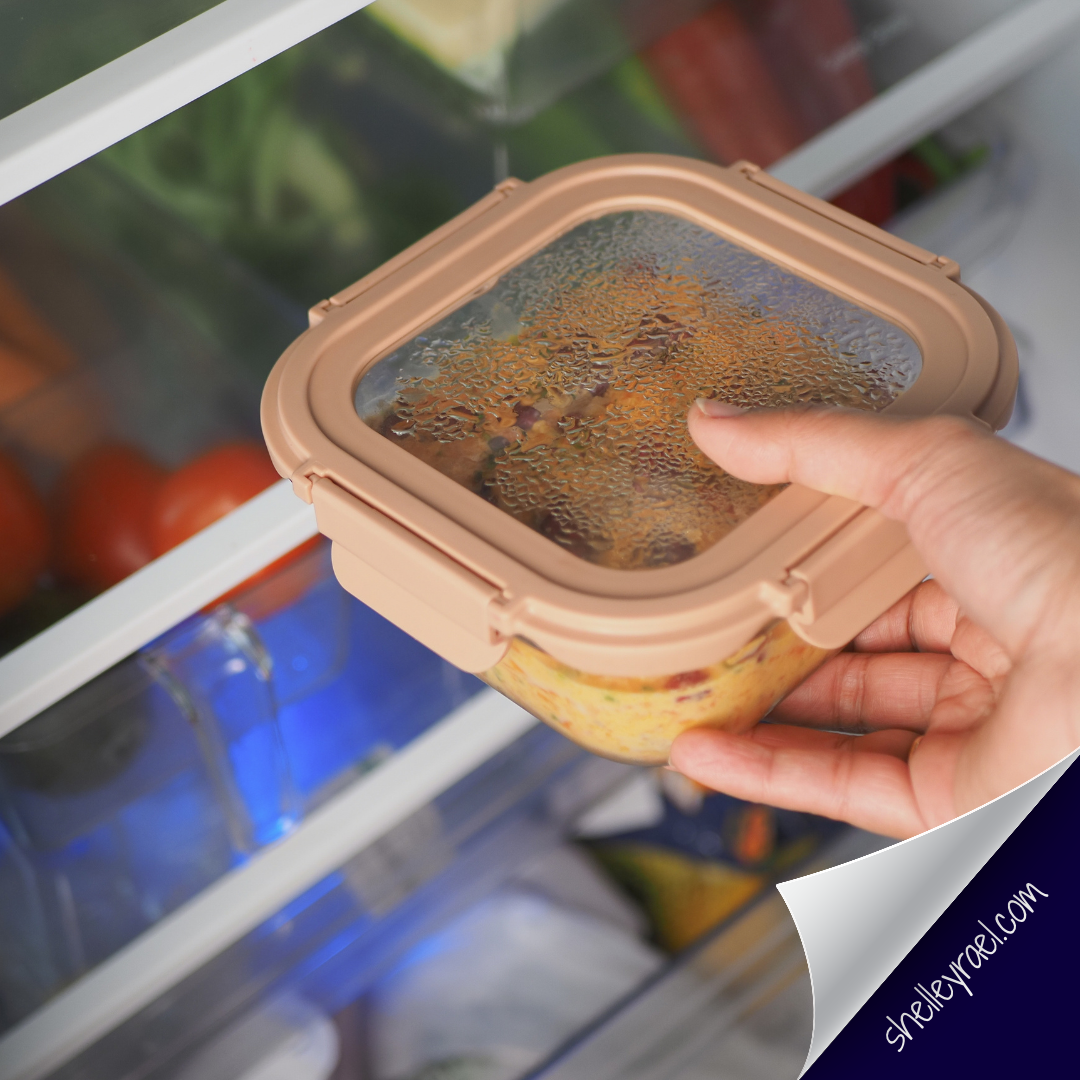
Now I do need to mention that I have gotten pushback on some of these timelines and recommendations, with people insisting that they have gone much longer and had no issues. My response is usually, “Look, you are still here, and appear fine – so of course, that worked for you that time.” But the risk increased significantly, and I cannot, in good conscience and in line with science and food safety guidelines, be flexible on these. If a restaurant did this, they would be tagged, fined, and/or shut down.
And one more reminder: smell, taste, and appearance aren't reliable ways to determine whether food is safe. Harmful bacteria may be present without changing how food looks or smells. Don't taste something to see if it's still good.
Reheating leftovers safely
When you're ready to eat those leftovers, reheating is another important step.
Reheat cooked leftovers to an internal temperature of 165°F. A food thermometer is the best way to check, especially with thicker foods or larger portions.
For microwave reheating, cover the food, stir or rotate it during heating, and allow it to stand briefly so the temperature can even out. Microwaves can create hot and cold spots, so don't assume the center is hot just because the edges are steaming. Anyone who has used a microwave this way has experience with uneven heating.
Soups, sauces, and gravies should be brought to a boil when reheating on the stovetop.
It's also a good idea to reheat only the portion you plan to eat. Repeatedly warming and cooling the same container isn't ideal. Taking out an individual serving helps preserve the rest of the food and makes it easier to handle safely.
What about mold?
While this may seem obvious, I still need to say it: if you see mold growing on leftovers, throw it away. Not just the parts with mold, but the whole thing.
Mold can spread below the visible surface, especially in high-moisture foods. Scraping off the fuzzy spot or removing the top layer doesn't necessarily remove the rest of the mold.
This is especially important with soft foods, cooked vegetables, casseroles, sauces, and other moist leftovers. Don't try to salvage them by cutting away the visible mold.
And remember, the absence of mold doesn't mean food is safe. Foodborne bacteria that cause illness aren't necessarily visible, and food can look and smell normal even when it isn't safe to eat.
Freezing leftovers is a good option
If you have more food than you can reasonably eat over the next few days, freezing is an appropriate solution.
You don't have to wait until day three or four to freeze something. I should say, don’t wait. If you already know you won't get to it, package it, label it with the date, and freeze it while it's still within the safe storage window.
Use freezer-safe containers or bags, remove as much excess air as possible, and divide food into portions that make sense for future meals. That way, you can thaw only what you need.
Freezing at 0°F keeps food safe for much longer, although quality can decline over time. For best quality, use most cooked leftovers within two to six months, depending on the food.
Thaw frozen leftovers in the refrigerator, in cold water, or in the microwave. Don't leave them on the counter to thaw. Once thawed in the refrigerator, use them within three to four days.
A little planning makes leftovers easier
I know it's tempting to stretch leftovers for one more day, especially when there's still plenty of food in the refrigerator. But the calendar matters, and so does how you handle the food.
If you're hosting a holiday meal or preparing food for a group, think ahead about what you'll realistically eat. Package leftovers in smaller portions, label them, and freeze what you won't use within a few days.
And if you're not sure how long something has been sitting in the refrigerator, it's better to toss it than take a chance.
Leftovers can be one of the best parts of preparing a big meal. They can save time, make another dinner easier, and help reduce food waste. Just remember that safe storage is part of the process.
Enjoy the food, plan what comes home, and know when it's time to let those leftovers go.
References and Further Reading:
Important Note: As of Fall 2026, the .gov links are accurate. However, there is a banner/heading that says NIH Websites Are Changing, so if these links do not work later, try searching by title.
Real World Nutrition Refreshed. As nutrition science and perspectives evolve, older blog posts are occasionally updated and republished. This post was originally written in November 2023 and has been refreshed and expanded here.