
Pumpkin, Squash, and Other Thanksgiving Vegetables: What They Bring to the Table
When we think about fall foods, a few things probably come to mind: pumpkin, sweet potatoes, winter squash, and maybe a big bowl of mashed potatoes. These foods tend to show up more as the weather cools, and many are familiar parts of traditional holiday meals.
But I don't think we give some of these foods enough credit outside of the holidays. They're versatile, nutritious, and relatively easy to incorporate into everyday meals. Each brings something a little different to the table.
One thing I like about this group of foods is the variety. Some are rich in carotenoids, others provide potassium and vitamin C, and several are good sources of fiber. They also offer different flavors and textures, which is one reason eating a variety of foods is worthwhile.
Turkey may get most of the attention at a traditional Thanksgiving meal, but vegetables and fruit shouldn't be background foods. They add color, flavor, fiber, and nutrients that help round out the meal.
So, what do these seasonal favorites have to offer? Let’s take a look.
Pumpkin: More Than Pie and Lattes
Most people probably think of pumpkin as an ingredient in pie, muffins, or maybe a latte (even though that is really pumpkin spice in the latte). But pumpkin is a type of winter squash, and there's no reason to limit it to baked goods.
As most people know, its bright orange color comes from carotenoids, including beta-carotene, which the body can convert to vitamin A.
One thing I appreciate about pumpkin is how convenient it can be. Canned pumpkin puree is nutritious, easy to keep in the pantry, and available year-round. Some years have had shortages. Just make sure you're buying plain pumpkin rather than pumpkin pie filling, which usually contains added sugar and spices.
And you don't have to make a pie to use it!
Try adding pumpkin puree to oatmeal, smoothies, pancake batter, soups, chili, or pasta sauces. It adds flavor and a creamy texture. You can also roast fresh pumpkin cubes with a little olive oil, garlic, and herbs for a savory side dish.
Don't overlook the seeds, either. Pumpkin seeds provide protein, fiber, magnesium, and unsaturated fats. Roasted pumpkin seeds make a nice snack or a crunchy topping for salads and soups.
Winter Squash: More Than One Kind to Choose From
Butternut, acorn, spaghetti, delicata, hubbard, and kabocha are all winter squash varieties. And yes, pumpkin belongs in this group, too.
Winter squash gets its name from its hard outer rind, which lets it store longer than summer squash. The flesh can range from pale yellow to deep orange, and flavor and texture vary by variety.
Nutritionally, winter squash provides fiber, potassium, vitamin C, and carotenoids. Orange-fleshed varieties are especially rich in beta-carotene.
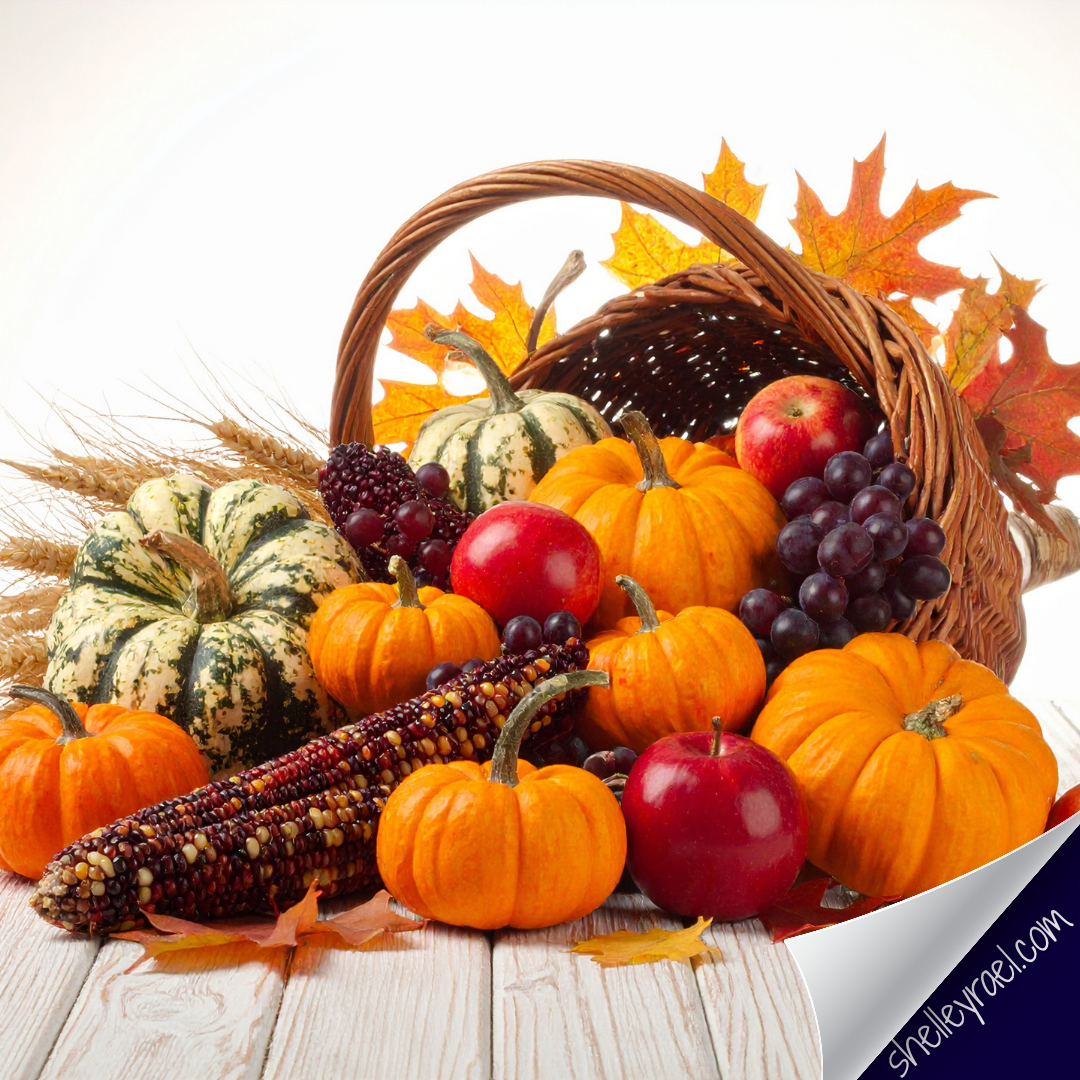
If you've ever purchased a winter squash and then wondered what to do with it, roasting is a good option. Cut it into cubes or wedges, toss with a little olive oil, and add your favorite seasonings. Rosemary, garlic, cinnamon, paprika, and black pepper all work well, depending on the flavor you want.
A few other ideas:
Roast acorn squash halves and serve them as individual portions.
Add cooked butternut squash to soups, stews, or pasta.
Mash cooked squash as an alternative to mashed potatoes.
Roast spaghetti squash and use the strands in place of pasta or serve with your favorite sauce.
One note: Some winter squash can be difficult to cut because of the hard rind. Use a sharp knife and a stable cutting board. You can also cook the squash first to soften it before cutting and removing the seeds. Or what I sometimes do: buy it pre-cut!
Sweet Potatoes: Naturally Sweet and Full of Nutrients
Sweet potatoes are another food that tends to get special attention around the holidays. They're naturally sweet, versatile, and a good source of several nutrients.
The orange flesh is rich in beta-carotene, which the body converts to vitamin A. Sweet potatoes also provide fiber, potassium, vitamin C, and vitamin B6. Purple varieties contain anthocyanins, the plant pigments that give them their deep purple color.
You may have heard sweet potatoes and yams used interchangeably, but they aren't the same thing. In many U.S. grocery stores, what is labeled as a yam is actually a variety of sweet potato.
I like sweet potatoes because they take little to make a satisfying side dish. Bake one, add a little olive oil or butter, and you're pretty much set. They also work well roasted, mashed, or added to soups and grain bowls.
Most people see them more often at other times of the year, and they are often available year-round. People just don’t tend to think of them outside the winter months. They are available fresh or frozen – if you look for them.
A few ways to use them:
Roast cubes or wedges with olive oil, paprika, and garlic.
Bake whole and top with black beans, vegetables, or plain Greek yogurt.
Mash with a little milk, broth, or olive oil.
Add cooked sweet potato to chili or breakfast hash.
Use them in muffins, quick breads, or pancakes.
And while sweet potato casserole with marshmallows is a familiar holiday dish, it's not the only way to enjoy them. Their natural sweetness goes just as well with savory herbs and spices.
White Potatoes: Let's Not Forget About Them
I don't want to leave white potatoes out here. They sometimes get overlooked because they're considered a starchy vegetable, but that doesn't make them nutritionally unimportant.
Potatoes provide carbohydrates for energy, along with potassium, vitamin C, and vitamin B6. Keep the skin on, and you'll also get some fiber. A medium potato with its skin provides approximately 2 to 3 grams of fiber and around 600 milligrams of potassium.
Potatoes are different from non-starchy vegetables such as broccoli, green beans, and leafy greens. They contribute more carbohydrates to a meal, so it makes sense to think of them as part of the starch or grain portion rather than counting them as an additional non-starchy vegetable.
But that doesn't mean you need to avoid them or feel guilty about eating them.
A baked potato, roasted baby potatoes, or mashed potatoes can all fit into a balanced meal. Add some vegetables and a protein source, and you've got a meal with a nice mix of nutrients.
Preparation methods make a difference too. A baked potato is not nutritionally the same as a serving of French fries or potato chips. That doesn't mean you can never enjoy those foods, but it's worth recognizing that how we prepare foods can change the overall nutritional picture.
Pomegranates: A Little Color and Crunch
Pomegranates are technically fruits, not vegetables, but I included them because they're another seasonal food that adds something different to meals.
The edible portions are called arils. They're the little juicy, red seed coverings inside the fruit. They have a sweet-tart flavor and a slight crunch, making them a nice addition to both sweet and savory dishes.
Pomegranate arils provide fiber, potassium, and vitamin C, along with plant compounds called polyphenols. A half-cup serving provides approximately 3.5 grams of fiber.
Sprinkle them over a salad, add them to roasted butternut squash or sweet potatoes, mix them into oatmeal or yogurt, or toss them into a grain salad with quinoa or farro.
If you've never worked with a whole pomegranate, removing the arils can seem like more effort than it's worth. Fortunately, many grocery stores sell containers of ready-to-eat arils. That's a perfectly reasonable shortcut if it means you're more likely to use them.
Don't Forget the Other Vegetables
Plenty of other vegetables deserve a mention with these seasonal favorites. Carrots, parsnips, Brussels sprouts, cauliflower, and green beans each bring their own mix of nutrients.
And here's where I think we sometimes make eating well more complicated than it needs to be. You don't need five different recipes or an elaborate preparation method to include more vegetables.
Roasting is one of my favorite ways to prepare many vegetables. A little olive oil, some seasoning, and a hot oven can do a lot. You can even combine several vegetables on one sheet pan. Just remember that some take longer to cook than others, so you may need to add them at different times.
Fresh, frozen, and canned vegetables can all be nutritious. Frozen vegetables are convenient, and canned options can save preparation time. The goal is to include foods you enjoy and will actually eat, not to make every meal from scratch.
Bringing It All Together
These foods don't all provide the same nutrients, and that's a good thing. Pumpkin and orange-fleshed squash provide beta-carotene. Sweet potatoes offer fiber and potassium. White potatoes provide carbohydrates, potassium, and vitamin C. Pomegranates contribute fiber and polyphenols.
Including a variety of foods gives you a broader range of nutrients, flavors, and textures. You don't have to eat all of these foods in one meal, and you certainly don't have to wait for a holiday to enjoy them.
Whether you're roasting squash for dinner, adding canned pumpkin to soup, baking a sweet potato for lunch, or tossing pomegranate arils into a salad, these foods are easy ways to add variety to your meals.
And that's really the point. A balanced eating pattern isn't about finding one special food or making every meal look a certain way. It's about including a variety of foods that provide different nutrients and that you enjoy eating.
For another seasonal fruit worth adding to the menu, take a look at Cranberries: Fresh, Dried, or Sauced? A Look at the Nutrition
And these others may be helpful: