
Oatmeal for More Than Breakfast: Creative and Nutritious Ways to Enjoy It
Oatmeal for More Than Breakfast: Creative and Nutritious Ways to Enjoy It
Oatmeal is often considered a breakfast food, but it is so much more than that. It has a reputation for being heart-healthy, and it truly offers versatility in both sweet and savory, yes, savory recipes. Oatmeal is one of those foods that can be an integral part of everyday eating – and it is budget-friendly. So, here I will share some “recipes” or ideas for different ways to enjoy oatmeal, but first, let’s begin with the basics.
What is Oatmeal?
Oatmeal is simply oats that have been processed in different ways to make them quicker to cook or easier to eat. Oats themselves are whole grains, which means they contain all parts of the grain, including the bran, germ, and endosperm. This is what gives them their fiber, protein, and nutrient content. This tends to be one of the most accessible whole grains.
Types of Oats
There are several types of oats you’ll see in the grocery store:
Steel-cut oats: Whole oat groats chopped into pieces, with steel…so steel-cut. They take the longest to cook and have a chewy texture.
Scottish oats (often called porridge oats): Stone-ground oats that make a creamier porridge.
Rolled oats (old-fashioned oats): Steamed and flattened oat groats. They cook faster than steel-cut oats and are the standard for many recipes.
Quick oats: Rolled oats that are cut into smaller pieces to cook more quickly.
Instant oats: Pre-cooked, dried, and rolled even thinner. These are the fastest to prepare but often come with added sugar or flavorings in packets.
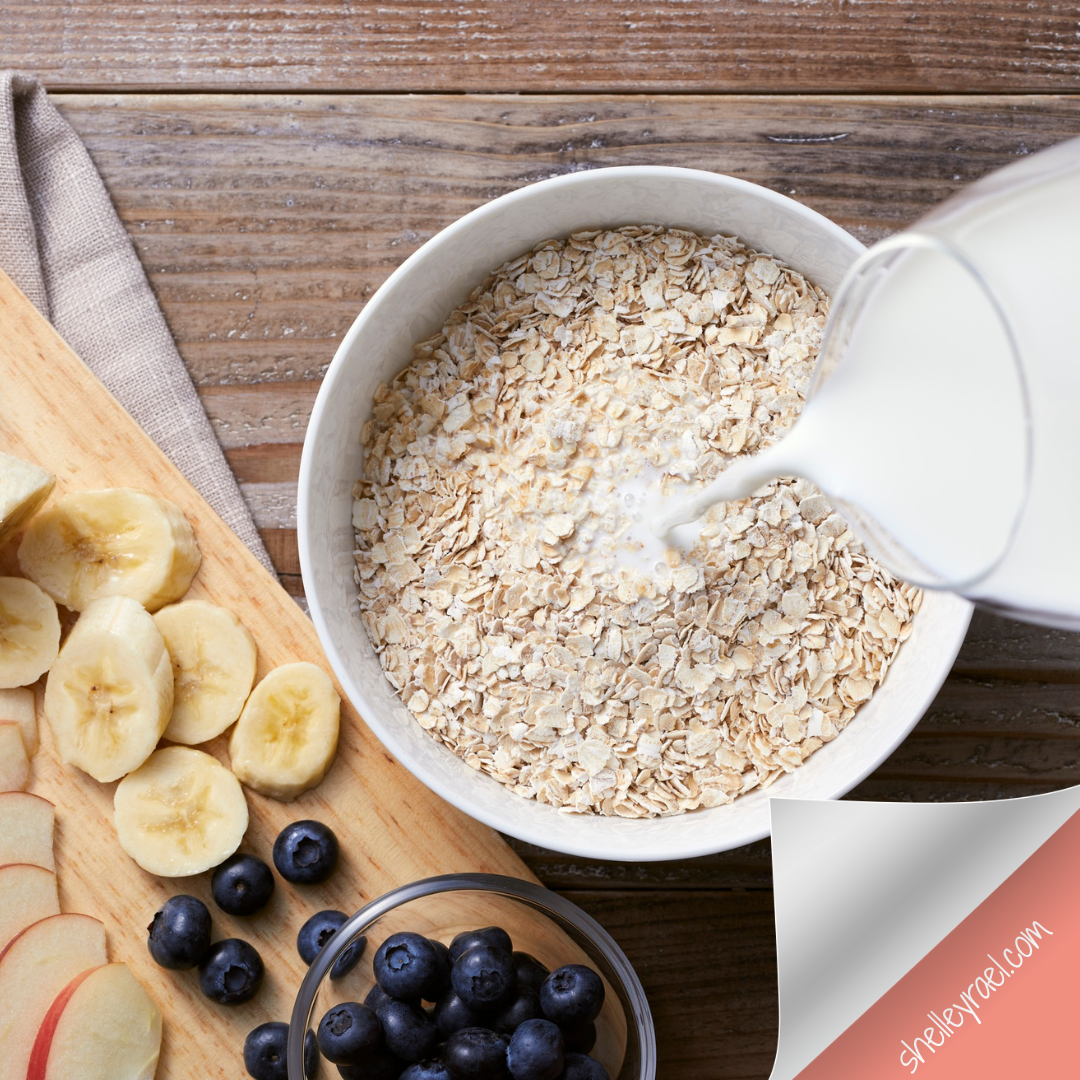
Is one better than the others? Not really. Nutritionally, they are very similar. The main difference is texture and cooking time. Steel-cut oats may keep you fuller a bit longer because they take longer to digest, but quick oats are still an excellent choice if that’s what works for your schedule. I mean, I am okay with making my 10-minute oats in 2 minutes (in the microwave) and getting slightly more benefit than the instant oats, without the time commitment of steel-cut or Scottish oats.
Are Oats Really Heart-Healthy?
Oats get their “heart-healthy” label because they contain a type of soluble fiber called beta-glucan. This fiber can help lower LDL cholesterol levels by binding to cholesterol in the digestive system and facilitating its removal by the body. Regularly consuming oats has been linked to modest improvements in cholesterol levels and overall heart health. They are also a good source of magnesium, iron, and antioxidants. So, yes, oats are indeed “heart healthy.”
Are Oats Gluten-Free?
Oats themselves do not contain gluten. However, they are often processed in facilities that also handle wheat, barley, or rye, which means cross-contamination is a common occurrence. If you need gluten-free oats, look for oats that are specifically labeled and certified as such.
Why Am I Hungry After Eating Oatmeal?
One common complaint I hear frequently is that oatmeal leaves people hungry a couple of hours later. That’s because oats, while rich in fiber, don’t have much protein on their own. Protein and healthy fats help with satiety, so pairing oats with those nutrients can make oatmeal more satisfying. Oatmeal alone will likely leave you feeling hungry soon. “Loaded”, as I like to call it, is so much more filling.
Mix-In and Topping Ideas
Here are some ideas to boost the staying power and flavor of your oatmeal:
Nuts and seeds: Almonds, walnuts, pecans, chia seeds, flax seeds, or hemp seeds (sometimes I have a mix of nuts, chia, and flax seeds).
Nut butters: Peanut, almond, or cashew butter. Stir, stir, stir in and voila, more protein and healthy fats.
Fruit: Fresh berries, sliced bananas, apples, pears, or dried fruit in moderation.
Protein additions: A scoop of protein powder, Greek yogurt, or even an egg stirred in while cooking. People question the egg, but give it a try, you might like it,
Savory options: Try topping oatmeal with a fried egg, sautéed spinach, mushrooms, or cheese for a completely different take on breakfast or dinner.
Recipe Ideas
Baked Oatmeal with Berries
2 cups rolled oats
1 tsp baking powder
1 tsp cinnamon
2 cups milk (dairy or non-dairy)
1 egg
2 tbsp honey or maple syrup
1 cup fresh or frozen berries
Mix all the ingredients, then pour the mixture into a baking dish and bake at 350°F for 35–40 minutes. Slice and serve warm. This is something I like to make for a holiday breakfast. People can have it and not be starving by the time the big dinner rolls around.
Savory Oatmeal Bowl
½ cup steel-cut or rolled oats, cooked
Top with a fried egg, sautéed spinach, mushrooms, and a sprinkle of Parmesan cheese.
Peanut Butter Banana Oatmeal
½ cup rolled oats cooked with water or milk
Stir in 1 tbsp peanut butter
Top with sliced banana and chia seeds
Beyond Oatmeal: Other Ways to Use Oats
Oats are more versatile than just a hot cereal. Try them in:
Homemade granola
Smoothies (blend rolled oats into the mix for creaminess – I usually do ¼ cup, and that’s the 10-minute kind)
Energy bites with nut butter and dried fruit
As a binder in meatloaf or veggie burgers (instead of breadcrumbs)
Oat flour for baking muffins, pancakes, or breads
So How About It – Are You Ready to Try Something New?
Oatmeal can be as simple or as creative as you like. It provides a solid nutrition base with fiber and minerals, but pairing it with protein and healthy fats makes it more satisfying. Whether you like it sweet or savory, hot or baked, oatmeal is worth keeping in your meal rotation.