
Micronutrients & Supplements: What You Really Need
Micronutrients & Supplements: What You Really Need
This post is the seventh installment in my series of 12 simple, realistic steps to help you feel stronger, healthier, and more vibrant for years to come. Each post covers one action that supports longevity, hormonal balance, and energy, no matter your age or current health status. You can catch up on prior posts at the links below. Today, we’re focusing on the vitamins, minerals, and supplements that support your well-being, especially after age 50.
Let’s talk about the often forgotten aspect of nutrition: micronutrients. These vitamins and minerals may be needed in small amounts, but their impact on your health is significant, especially as you age. Many people think that if they’re eating “healthy enough,” they’re covered. However, micronutrient needs shift over time, and not everyone can meet their needs solely through food.
What Are Micronutrients?
Micronutrients are the vitamins and minerals your body needs to function properly. They don’t provide calories like macronutrients (carbohydrates, fats, and protein), but they support essential processes in the body like immune function, bone health, muscle function, and energy metabolism.
Vitamins can be divided into two categories:
Fat-soluble vitamins (A, D, E, K): These are stored in the body’s fat tissues and liver. Because they can accumulate, excessive intake can pose toxicity risks.
Water-soluble vitamins (C and the B vitamins): These are not stored in large amounts and are excreted in the urine, which means they often need to be consumed more frequently.
Minerals are categorized as:
Macrominerals (like calcium, magnesium, potassium)
Trace minerals (like iron, zinc, selenium)
Each plays a specific role in the body, and balance is key.
Food First: Where Micronutrients Come From
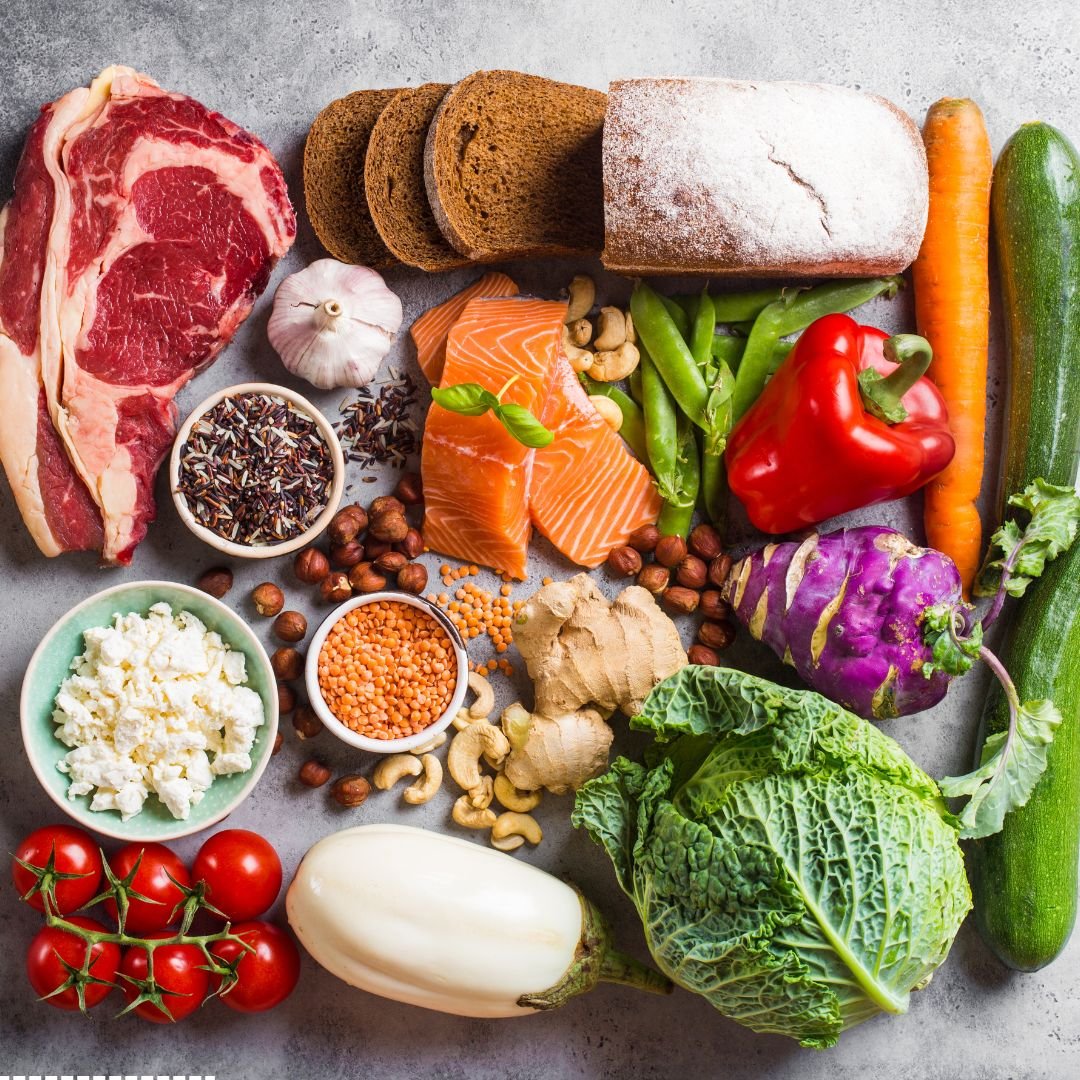
While it’s easy to default to pills and powders, food remains the best source of most nutrients. Why? Whole foods provide nutrients in a form the body recognizes and absorbs, often alongside other helpful compounds like fiber, antioxidants, and healthy fats.
Here are a few examples of how foods usually have multiple nutrients:
Yogurt: contains calcium, potassium, B12, and probiotics
Avocado: has magnesium, potassium, and vitamin E
Salmon: is a source of vitamin D, selenium, B12, and omega-3s
Broccoli: provides vitamin C, K, folate, and fiber (and while it has calcium, the bioavailability is different than milk)
Lentils: deliver iron, zinc, folate, and magnesium
Quinoa: offers magnesium, manganese, and B vitamins
Fun fact: A cup of broccoli and a cup of milk may list similar calcium amounts on a label or social media post, but the calcium in milk is more bioavailable, meaning your body can absorb and use it more efficiently.
Changing Needs as We Age
Micronutrient needs evolve across life stages. For example:
Teens need more calcium and iron to support rapid growth.
Pregnancy increases need for iron, folate, and iodine.
Older adults may need more of certain nutrients due to reduced absorption, changes in appetite, medication interactions, or decreased sun exposure.
After age 50, several key nutrients become more important:
Vitamin D: Needed for bone health and immune function. Reduced sun exposure and lower skin synthesis with age increase the risk for deficiency.
Vitamin B12: Absorption decreases with age, especially with certain medications (like metformin or acid reducers).
Calcium: Bone loss accelerates after menopause, so adequate intake is critical.
Magnesium: Supports muscle, nerve, and heart function, and many adults don’t get enough.
Potassium: Important for heart and kidney health, but often underconsumed.
Why Supplements? And When?
Supplements can help fill in gaps, but they should supplement your diet, not replace it.
When to consider a supplement:
You have a diagnosed deficiency (via bloodwork)
You follow a restrictive diet (e.g., vegan, very low-calorie, etc.).
You take medications that interfere with absorption
You have health conditions impacting digestion or absorption
Your doctor or dietitian recommends one
However, let’s also dispel a few myths: not everyone needs a multivitamin. Not everyone benefits from a B complex. And just because something has a health halo (like collagen or greens powders) doesn’t mean it’s essential or provides even a bit of benefit to anyone except those profiting from the sales of that supplement.
10 Things to Consider Before Taking a Supplement
What does your food intake look like?
Are you taking any medications that might interfere with absorption?
What is your goal with this supplement?
Do you need it long-term or short-term?
Has your healthcare provider recommended it?
Can you get it from food instead?
Do you know the dosage?
Are you duplicating nutrients (e.g., B12 in a multivitamin + energy drink)?
Can you afford it consistently?
Is the brand reputable? (Look for third-party testing)
Store Brand vs. Name Brand: Does It Matter?
People often ask me which supplement brand to buy. Here’s the truth: store brands (like Kirkland, Walgreens, or Target) often meet the same quality standards as high-end brands. Many are manufactured in the same facilities (I’ve seen this in action). What matters more than the label is third-party testing, transparency, and appropriate dosing.
Journal Prompt & Action Steps
Let’s evaluate your needs compared to what you are eating and getting. What is best for you?
Action Steps Ideas
Take inventory: What supplements are you taking now? Who recommended them?
Evaluate why you’re taking them.
Consider tracking your nutrient intake for a few days
If you’re unsure, consult a registered dietitian or your healthcare provider for guidance.
Reflection Questions
Contemplation Stage: Have you ever considered whether you’re getting all the nutrients you need each day? What have you been told, or assumed, about supplements and micronutrients?
Preparation Stage: Which supplements or vitamins are you currently taking, and why did you start? What is one realistic change you can make this week to improve the variety or quality of your diet?
Action Stage: Have you made any new additions to my diet that support better micronutrient intake? Did you research or switch any supplements after learning more about your needs? What roadblocks have come up, and how can they be addressed?
Maintenance Stage: What’s working well in terms of nutrient intake or supplement use? Are there habits you have created (like including leafy greens or yogurt daily) that you are proud of? How can you continue to keep this simple and sustainable? What would help you stay consistent (routine, reminders, a weekly meal plan, etc.)?
Coming Next: Eating for Blood Sugar Balance
Learn how your meals can support stable energy, reduce cravings, and help manage hormones. Small shifts can lead to big changes—and it doesn’t mean cutting all your favorite foods.
Catch Up on the Series:
Read More from this series on practical habits to help you feel stronger, healthier, and more vibrant for years to come: Your Personal Path to Longevity & Vitality