
Smart Carbs: Energy Without the Crash
Smart Carbs: Energy Without the Crash
This is the sixth post in a series of 12 simple, realistic steps to help you feel stronger, healthier, and more vibrant—now and for years to come. Each post covers one action that supports longevity, hormonal balance, and energy, no matter your age or current health status. You can catch up on prior posts at the links below.
Carbs are often misunderstood. While protein and fat have started to reclaim their place in balanced diets, carbohydrates are still sometimes labeled the enemy. But if you’ve ever cut carbs and felt cranky, tired, or foggy, you’ve experienced firsthand what happens when the body lacks its preferred fuel. In this sixth installment of a 12-part series, we’re diving into the truth about carbohydrates and how to make them work for your health.
What Are Carbohydrates Really?
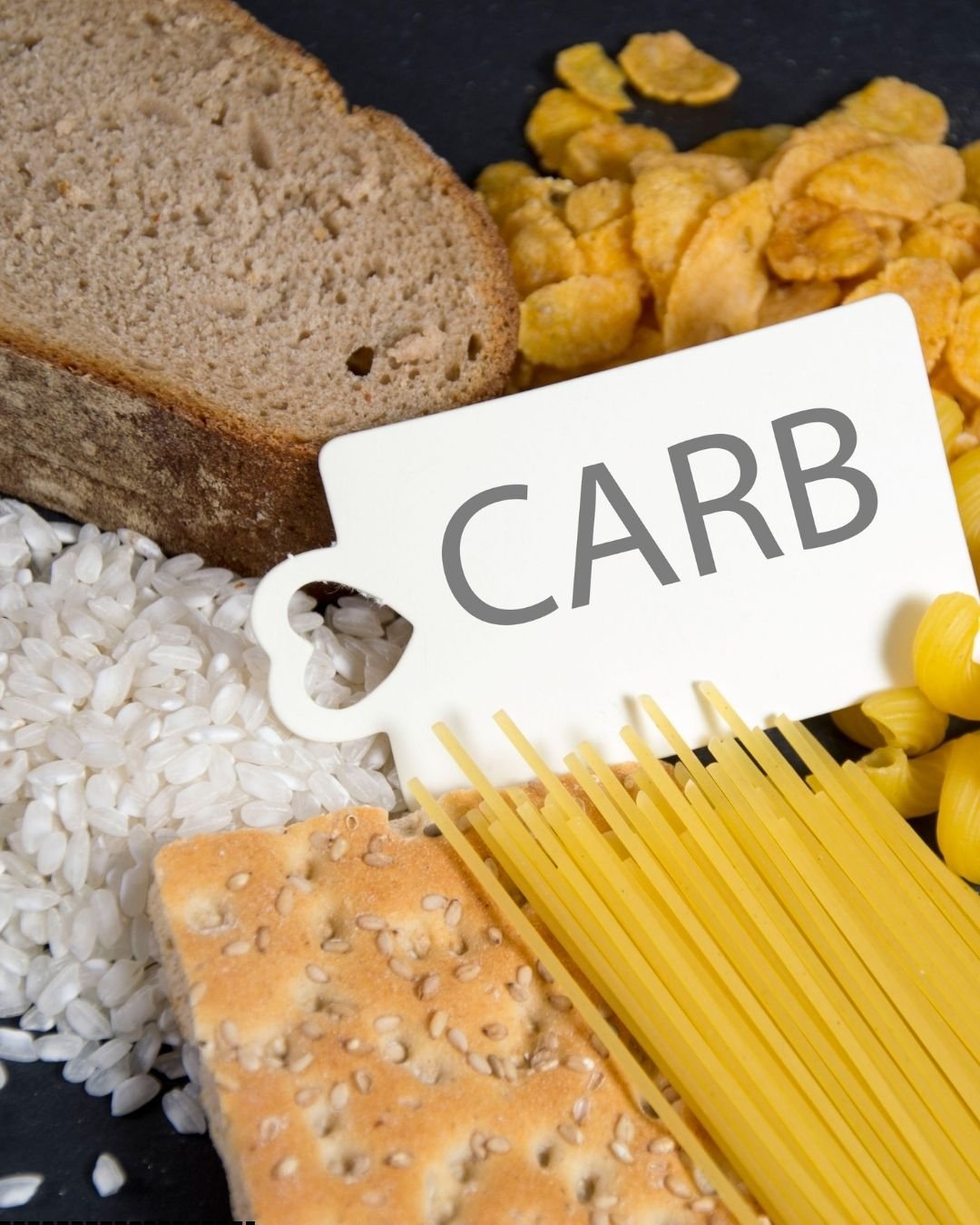
Carbohydrates are one of the three macronutrients your body needs to function optimally. But they’re a nutrient, not a food group. When people say, “I’m cutting carbs,” they usually mean they’re cutting bread, pasta, and potatoes. But that’s not the whole story.
Carbs are found in:
Fruits
Vegetables
Whole grains
Dairy products
Beans and legumes
Nuts and seeds
Yes, even nuts, seeds, and dairy contain carbohydrates. They’re not inherently bad. They are essential.
Sugar Is a Type of Carbohydrate, But…
All sugars are carbohydrates, but not all carbohydrates are sugars. Carbohydrates are broken down into three primary forms:
Sugars (natural and added)
Starches
Fiber
Natural sugars are found in fruits and dairy. Added sugars are in soda, sweets, and many packaged foods. Refined carbs (like white bread and pastries) are stripped of fiber and nutrients, which can spike blood sugar and leave you feeling depleted.
Carbs and the Body: Energy, Hormones, and Metabolism
Carbohydrates = Energy
Carbs break down into glucose, the body’s preferred fuel, especially for the brain and muscles. Without enough carbohydrates, fatigue, brain fog, and sluggishness often follow. If you are feeling fatigued, it could be that life is catching up to you or that you have significantly reduced your carb intake (or both).
Carbs and Hormones
Carbs support hormone balance by:
Stimulating insulin (a hormone) to regulate blood sugar
Supporting thyroid function
Influencing cortisol and serotonin levels
Affecting hunger and satiety hormones like leptin and ghrelin
Low-carb diets, when followed for extended periods, can affect menstrual cycles, energy levels, and sleep, particularly in women. That’s not how we want our hormones to respond.
Carbs and Metabolic Health
Carbohydrates, especially those rich in fiber, help regulate blood sugar, support digestion, and even lower cholesterol levels. This promotes metabolic flexibility, enabling your body to utilize both fat and glucose efficiently for energy.
The Truth About Sugar, Refined Grains, and Blood Sugar Stability
Refined grains and added sugars spike blood sugar levels because they are quickly digested. This leads to crashes that leave you tired, irritable, or craving more sugar.
Whole carbs, such as oats, sweet potatoes, and quinoa, contain fiber and nutrients that slow digestion, promote feelings of fullness, and help maintain stable energy levels. It’s not the potato that’s the problem; it’s how we prepare it. Roasted with olive oil and veggies? Great. Deep fried or loaded with butter and cheese? Not so much.
Why People Lose Weight Cutting Carbs (But It Doesn’t Last)
A significant portion of the weight loss from cutting carbs is due to water loss. Carbs help the body store water, so cutting them means losing that water, not fat. Over time, low-carb diets may:
Decrease thyroid function
Raise cortisol (stress hormone)
Increase fatigue
Impair recovery after workouts
The brain alone needs at least 130 grams of carbs daily for optimal function. Without enough carbs, your body may break down muscle tissue to get energy. What? Yes, the brain needs glucose to function, and if we don’t get that 130 grams? The body needs to access amino acids to make glucose. To obtain those amino acids, the body breaks down proteins, such as muscle tissue, to get them.
How to Incorporate Healthy Carbs Every Day
Now, if you are trusting of carbs and want to focus on the ones that can help without the sugar crashes, here are 10 easy ways to include nutrient-rich carbs:
Add berries or bananas to oatmeal or yogurt
Choose whole grains like quinoa or farro
Add lentils or beans to soups and salads
Snack on roasted chickpeas or edamame
Make smoothies with fruit, milk, and nut butter
Eat baked potatoes with healthy toppings
Choose whole grain toast with eggs or avocado
Use oats or bran in muffins or pancakes
Include dairy like yogurt or kefir
Don’t forget non-starchy veggies—they have carbs and fiber!
The cool thing about some of these carbs? They also contain protein, and, aside from the yogurt and milk, they also provide fiber.
Journal Prompt & Action Steps
Now that you have learned more about carbs and what they do for you and what foods have them, considered how you can integrate them for optimal health.
Action Steps Ideas
Track your carb intake for one day
Reflect on your beliefs about carbs and where they came from
Add one smart carb to each meal this week
Pair carbs with protein or healthy fats
Pay attention to how your energy levels respond
Reflection Questions
Contemplation: What did you believe about carbs before reading this? What do you think now after reading this?
Preparation: How do you feel about integrating carbs into your daily eating plan? What are some that you can confidently incorporate into your daily eating plan?
Action: How do you feel after meals that include carbs? Are you eating a variety of carbs (grains, fruits, veggies, legumes, dairy)? Do you crash mid-afternoon or feel consistently energized? If you’ve limited carbs, how did that experience feel mentally and physically?
Maintenance: How can you create a balanced approach to carbs moving forward?
What is the biggest challenge you perceive in changing any prior beliefs or attitudes about carbs?
Coming Up Next: Micronutrients & Supplements — What You Really Need
There’s a lot of noise out there about vitamins, minerals, and supplements—what you should take, what you must avoid, and what miracle pill will solve all your problems. In the next post, we’ll cut through the confusion and highlight the nutrients midlife women need most for energy, hormone balance, and longevity, plus how to know if supplements are truly worth your money.
Read More from this series on practical habits to help you feel stronger, healthier, and more vibrant for years to come: Your Personal Path to Longevity & Vitality