
Alcohol and Sleep: What Really Happens After a Night of Drinking
This is the second post in my holiday alcohol series. If you missed the first one, Alcohol and Appetite: Why Drinks Affect Your Hunger and Cravings, you can find it here.
Not everyone drinks alcohol, and if you fall into that group, feel free to skip this one or simply learn about how alcohol affects the people who do. My goal here is to offer clear, nonjudgmental information. With the holidays in full swing, many people notice that their sleep feels different after a night out. There is a reason for that.
Alcohol as a CNS Depressant
Alcohol is a central nervous system (CNS) depressant. This means it slows activity in the brain and body. That initial warm, relaxed feeling is the early result of this slowing. The more someone drinks, the stronger these depressant effects become.
Before we get to how this influences sleep, it helps to understand what happens when a person drinks alcohol in the first place.
What Happens After the First Drink
Alcohol starts absorbing in the stomach, but most absorption takes place in the small intestine. How quickly this happens depends on factors like whether the person has eaten, their body size, and their genetics.
Once absorbed, alcohol travels through the bloodstream to the liver. The liver does most of the work of breaking it down. There are two primary enzymes responsible for this process: alcohol dehydrogenase (ADH) and aldehyde dehydrogenase (ALDH). ADH converts alcohol (ethanol) into acetaldehyde, which is highly toxic. That is then converted to acetate by ALDH, and eventually to carbon dioxide and water.
Now, there are differences in men and women in their ability to metabolize alcohol, and it has nothing to do with body weight, body fat, or any of the things people assume, like drinking more hard liquor. Yes, I have heard that one. The reality of it is physiological: men generally have higher alcohol dehydrogenase (ADH) and similar aldehyde dehydrogenase (ALDH) activity in the liver compared to women. This means that, for men, less alcohol reaches the bloodstream initially. Women tend to have lower ADH in their stomach and small intestines, resulting in higher blood alcohol concentrations (BACs) from the same amount of alcohol, contributing to greater impairment and vulnerability to alcohol-related issues.
The liver can only metabolize so much alcohol per hour. On average, it processes about half an ounce of pure alcohol in that timeframe. For perspective, that’s about 12 ounces of regular beer, 5 ounces of wine, or 1.5 ounces of distilled spirits. This is why these are all considered one standard drink: each contains the same half ounce of pure alcohol.
With one drink, most people feel mild relaxation, decreased inhibition, and a slight slowing of reaction time. There may be minimal impact on coordination or judgment. The brain becomes a little less sharp, and reflexes become slower, even if the person feels fine.
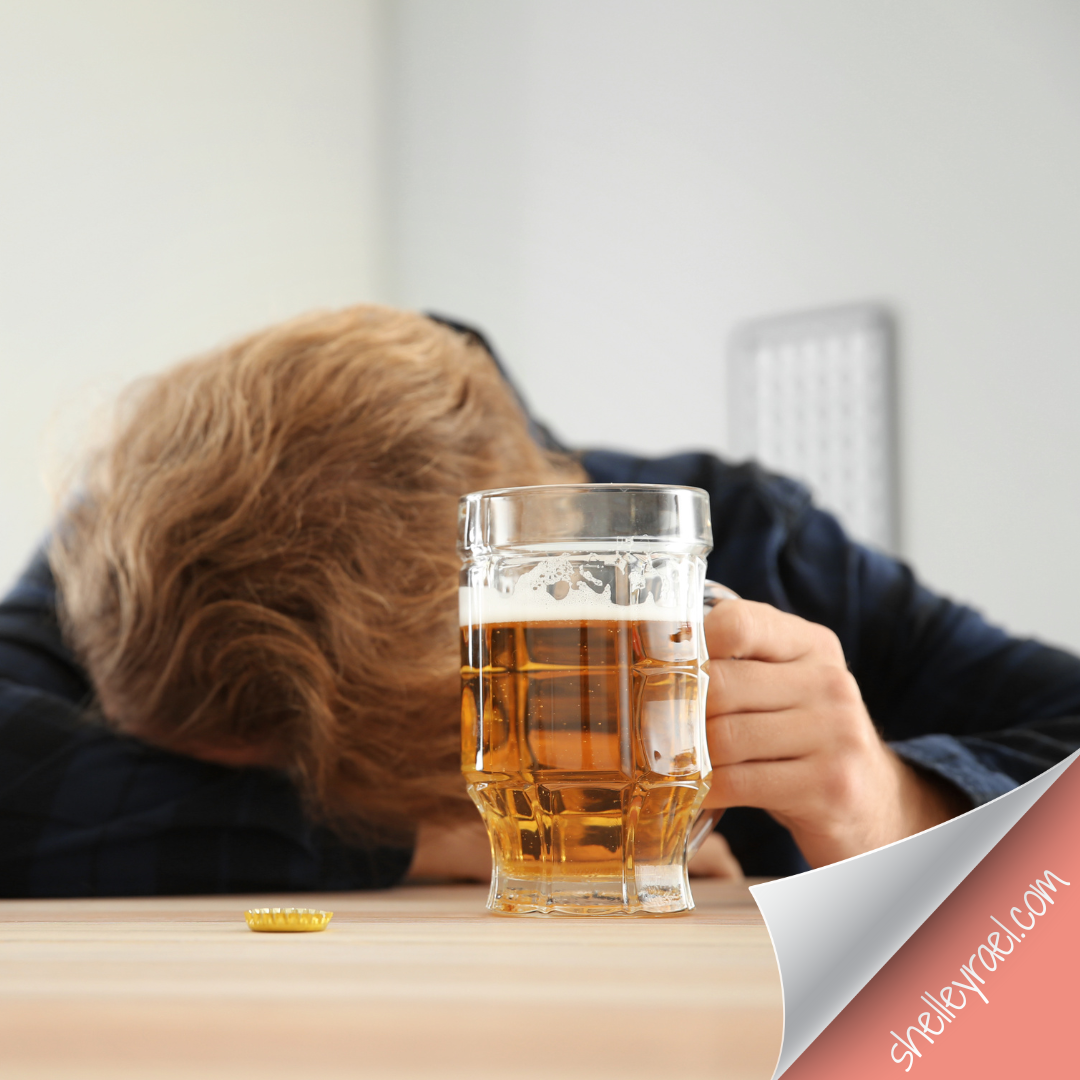
What Happens as More Drinks Are Added
With two or more drinks in a short period of time, the liver cannot keep up – remember that the liver can only metabolize that one drink per hour (that ½ oz of pure alcohol). If more drinks are consumed, alcohol builds up in the bloodstream, and the effects become stronger. People may notice increased drowsiness, impaired coordination, reduced balance, difficulty concentrating, and slower decision-making.
At three or four drinks, these effects become more noticeable. Speech may be affected. Reaction time continues to decline. Emotions may become more pronounced. Because alcohol suppresses brain activity, the signals that help with coordination, judgment, and awareness slow down significantly.
This progression looks different for everyone depending on tolerance, body size, food intake, medications, and drinking history. But regardless of the individual differences, the brain is progressively slowed. This matters when it comes to sleep.
Why Alcohol Disrupts Sleep
Many people believe alcohol helps them fall asleep. The depressant effect can indeed make someone feel relaxed or drowsy. They may fall asleep faster after one drink or several. The problem is what happens next.
Alcohol changes the structure of sleep. It reduces REM sleep in the first half of the night or sleep cycle. REM sleep is important for memory, mood, stress regulation, and overall quality of rest. Even one drink can influence REM, although the effect is usually stronger with more alcohol.
As the alcohol wears off during the night, the brain rebounds. This means the central nervous system becomes more active, and sleep becomes lighter. People often wake up more frequently, feel hot or sweaty, or experience vivid dreams. Heart rate may increase as the body works to clear the alcohol.
With more drinks, this disruption is stronger. What looks like “passing out” after heavy drinking is not healthy sleep. It is more like the body shutting down into a sedated state without moving through normal sleep cycles. Later in the night, the person may wake up feeling restless, dehydrated, and unable to get back to sleep.
Not everyone drinks to excess, and not every drink leads to a poor night of sleep. Still, alcohol and high-quality sleep are not a good match. Even small amounts can change the normal rhythm of rest.
So, while you may recover from this restless sleep on other nights, any night of poor sleep is a bad night.
Next week, I will continue this series by addressing common hangover myths and facts. And of course, while avoiding a hangover is ideal, it still happens sometimes. We will sort out what actually helps and what does not.