
Holiday Hydration: Why You Still Need Water in Winter
Holiday Hydration: Why You Still Need Water in Winter
Every year, when December rolls around, hydration questions start popping up. It always happens, and honestly, it always needs to. People assume cooler weather means hydration is less important, or, more likely, they don’t think about it the same way. But water is one of those topics that never goes away because it should not go away. We can get through days without food. We cannot get through days without water. When we talk about essential nutrients, we divide them into six classes: carbohydrates, protein, fat, vitamins, minerals, and water. All of them matter, but water has the most immediate impact. If you are even mildly dehydrated, you feel it.
Dehydration and Overhydration - Finding Balance
The body shows signs of dehydration long before the situation is serious. Headaches, sluggishness, poor focus, fatigue, irritability, dry mouth, muscle cramps, and slower response time are all common. As dehydration becomes moderate or severe, symptoms progress to dizziness, confusion, rapid heart rate, and eventually coma. People often think dehydration is only a summertime issue, but winter can be just as risky because the cues are not as obvious. You are not sweating buckets, so you assume everything is fine. Meanwhile, the body is quietly losing fluid through regular metabolism, respiration, and activity.
On the other side of the spectrum is overhydration. This is not common, but it does happen, especially among endurance athletes or among people who aggressively overcompensate after learning about the risks of dehydration. Too much water can dilute sodium in the blood and lead to hyponatremia (hypo = low, na = natrium, which is Latin for sodium). I mention this carefully because some people hear the word hyponatremia and jump straight to thinking they need more sodium with their typical 60 to 80 ounces of fluid. Most people already consume far more sodium than they need. Hyponatremia usually occurs in extreme conditions, not when someone is drinking a reasonable amount of water throughout the day.
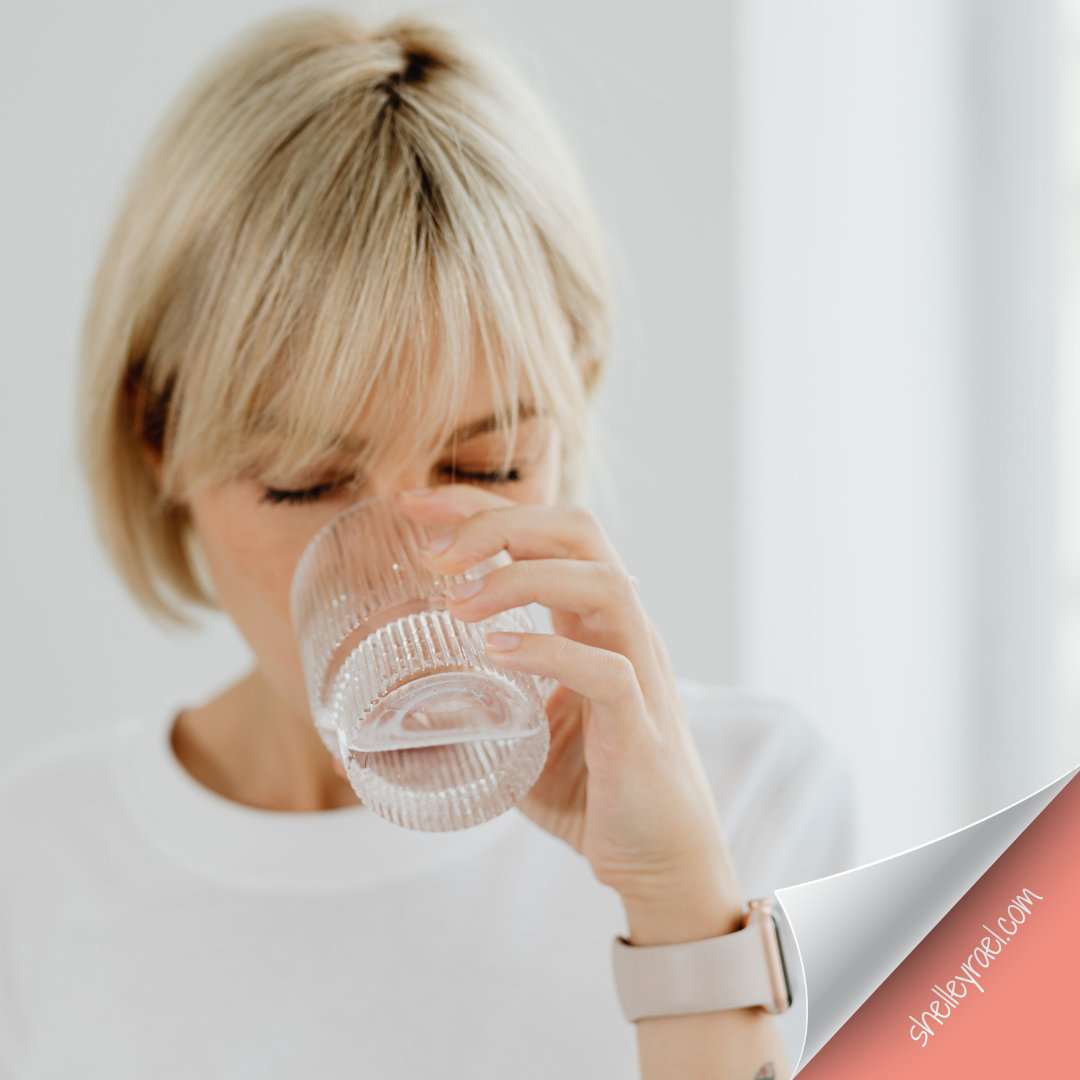
Why Bring This Up Now?
So why bring this up in winter and around the holidays? Because hydration becomes an afterthought as the weather cools. You do not feel as thirsty. You are running around on tight schedules, going to social events, and dealing with holiday stress. You might be eating more salty foods, sweet foods, rich foods, and drinking more alcohol. All of these can affect hydration needs. Add in drier indoor air, and suddenly it makes sense why people feel sluggish and “off” this time of year.
Cold-weather movement can also mask fluid loss. If you ski, snowboard, or snowshoe, you are sweating and breathing hard in dry, cold air. You lose fluid through your breath every time you exhale, and that adds up. People often underestimate how much water they need on the mountain or on winter hikes because they do not feel sweaty.
When it comes to what counts as hydration, the good news is that almost everything helps except alcohol. Water, tea, coffee, flavored water, seltzer, broths, soups, and even foods with high water content contribute. Alcohol does the opposite. It increases urine output and makes dehydration more likely, especially when people are drinking more than usual during holiday events.
Your Specific Hydration Number
People love asking for a specific hydration number. I have heard everything from half your body weight in ounces to the classic eight eight-ounce glasses to a gallon a day. Instead of chasing random numbers, I recommend starting with around 30 milliliters per kilogram of body weight. In pounds and ounces, that often falls somewhere between 70 and 100 ounces for many adults, but it really depends. The better approach is to pay attention to urine color. Light yellow is a good sign. Dark amber is not. Clear can mean too much fluid, but clear can also appear after alcohol since alcohol keeps you from holding on to the water you drink. If you drink a 500 milliliter bottle and an hour later you are peeing clear, you may not be absorbing the fluid well. I call this the hose-versus-sponge idea. If water is going straight through you, then you are a hose (not helpful); if it is staying in the body for a bit, you are a sponge (good).
Keep It Simple
To improve hydration during winter, keep things simple. Use a favorite bottle, set reminders, pair drinking water with routine tasks, or choose fluids you actually enjoy. Hot, cold, or room temperature does not matter. If your primary concern is finding a bathroom while you are out and about, then map it out. During the early pandemic, many public bathrooms were closed or limited, creating real stress about leaving the house to stay hydrated – at least that was something that came to mind when I had several errands in a single day. Some places only allow bathroom access to customers, so keep that in mind – and respect it. I’ve had to buy something to get the bathroom access code more than once. And, I accept that.
If hydration has not been your strong suit, ease into it. Do not jump from 20 ounces a day to 100. Gradually increase your intake so your body adjusts.
One last note. Hydration needs vary based on medical conditions. People with a history of kidney stones may need more fluid. People with kidney disease may have restrictions. Urine color may not always match hydration status in certain health conditions. Personalized recommendations from your health care team always take priority.
Hydration is never a trendy topic, but it is always worth revisiting. Your body depends on it year-round, even when the weather turns cold, your schedule gets chaotic, and the holidays get busy.