
Beef Tallow, Seed Oils & Why It Won’t Change Anything
Beef Tallow, Seed Oils & Why It Won’t Change Anything
If you’ve been watching food trends on social media lately you’ll notice fat is a hot topic again. Seed oils are being vilified — “toxic,” says the narrative — and beef tallow is being crowned the healthier alternative. Even Robert F. Kennedy Jr. (in his role as HHS Secretary) has weighed in, with little formal background in nutrition, declaring seed oils the enemy.
As a dietitian with 25 years of experience and six years of training, I can promise you this: we never used the term “seed oils” in school. We talked about oils, fats, saturated vs unsaturated, yes, but not this new term. It seems like the trend rose quickly, gained traction, and now everyone’s on board without asking many questions.
So let’s review: what are seed oils, what’s the claim, and what about beef tallow?
Seed oils typically refer to oils extracted from seeds like canola, soybean, sunflower, grapeseed, cottonseed and the like. The claim is they’re high in omega-6 fats, cause inflammation, chronic disease, and that swapping them out for beef tallow is the fix. The problem? Science doesn’t support that wholesale swap as a better solution.
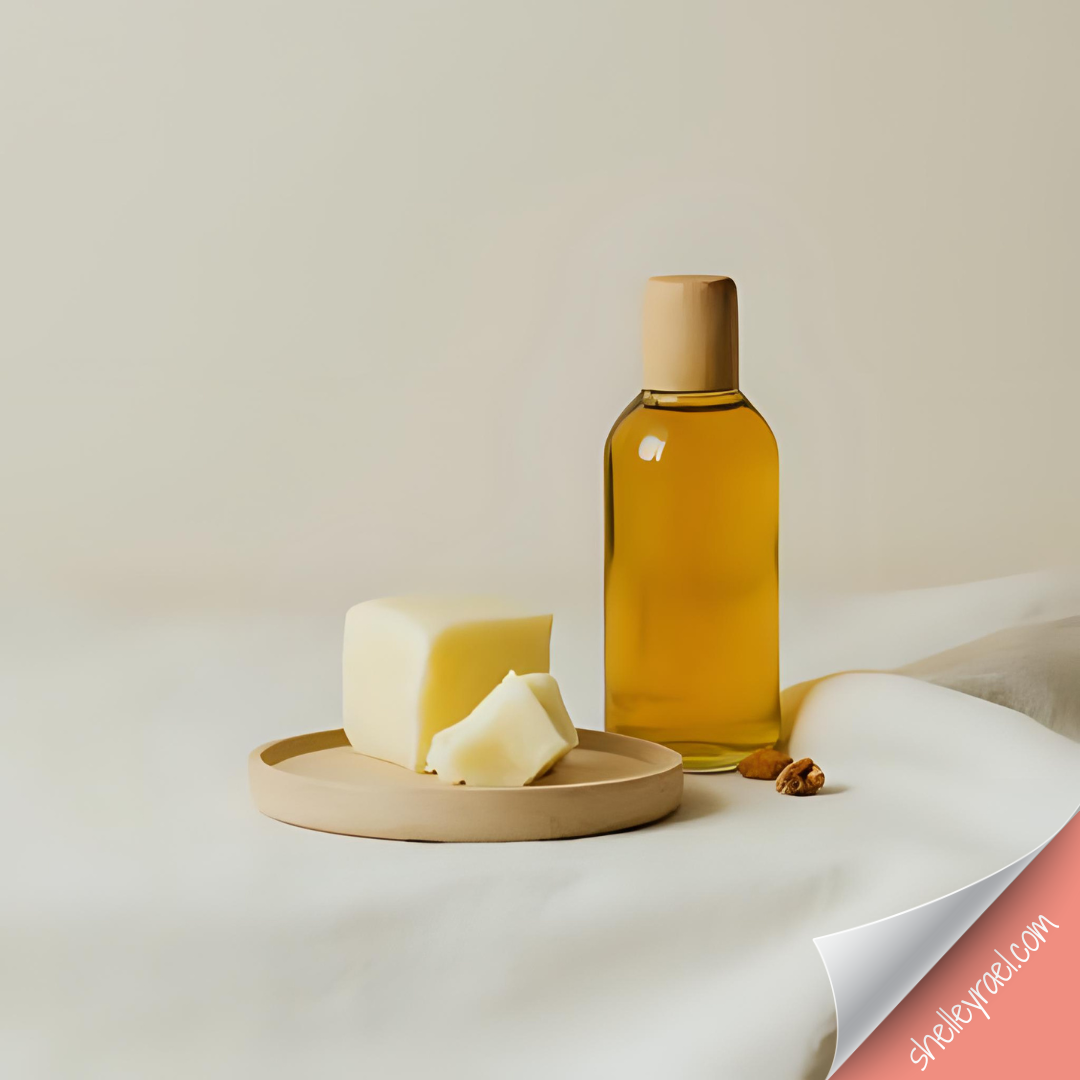
Beef tallow is rendered fat from cows. It’s been used historically for cooking (before vegetable oils took over in the 20th century), has a high smoke point, and has now re-emerged as “the healthy fat choice.” It contains a large amount of saturated fat, some monounsaturated fat, and very little polyunsaturated fat.
Fat profile comparison of popular fats/oils:
Fats and oils contain a mix of saturated, monounsaturated, and polyunsaturated fatty acids. So even when we refer to something as a “saturated” fat or “monounsaturated” fat, it is really identifying that as the type of fat that predominates. So, saying butter is saturated fat means that most of the fat in butter is saturated; referring to olive oils as a monounsaturated fat means that a larger percentage of the fat comes from monounsaturated fat even though it still has saturated and polyunsaturated fats in it. Here is a sampling of the percentage of the types of fats found in common fats (solid at room temperature) and oils (liquid at room temperature).
Fat/Oil: Percent Saturated (% Sat), Percent Monounsaturated (% Mono), Percent Polyunsaturated (% Poly)*
Coconut Oil: ~85% % Sat, ~6% Mono, ~ 2% Poly
Butter: ~ 63% Sat, ~ 26% Mono, ~ 4% Poly
Beef Tallow: ~ 50-55% Sat, ~ 40-45% Mono, ~ 3-7% Poly
Lard: ~ 40% Sat, ~ 45% Mono, ~ 10% Poly
Avocado Oil: ~ 14-16% Sat, ~ 69-70% Mono, ~ 14–16% Poly (including omega-6)
Olive Oil: ~ 15% Sat, ~ 78% Mono, ~ 12% poly
Sunflower Oil (traditional): ~ 11% Sat, ~ 20% Mono, ~ 69% Poly (high omega-6)
Grape Seed Oil: ~ 7-9% Sat, ~ 15-17% Mono, ~ 70%+ Poly (high omega-6)
Canola Oil: ~ 7% Sat, ~ 58% Mono, ~ 35% Poly (including omega-3 + omega-6)
* Polyunsaturated fats include omega-6 and omega-3 fatty acids in varying proportions depending on the oil.
So what’s the takeaway? Many influencers (and yes, even politicians) push the narrative: “Seed oils are bad, beef tallow good.” Why beef tallow and not lard or butter? I have no idea.
Some fast-food chains are already on board — Steak ’n Shake announced in early 2025 that they would cook fries in 100 % beef tallow. Others like Outback Steakhouse and Popeyes Louisiana Kitchen reportedly use beef tallow for certain deep-fried items. But let’s pause and look at the bigger picture: we’re still talking about fried potatoes, fried onions, and fried chicken. Changing the fat doesn’t erase the fact that fries are fries and fried is fried. These food items are still high in calories, refined carbs, and large portions, and often have minimal nutrient value. The oil swap alone doesn’t make it healthy. Or even healthier.
We already know saturated fats, especially when they dominate the diet, raise LDL (so-called “bad” cholesterol) and increase the risk of heart disease. Numerous studies show that replacing saturated fat with unsaturated fats reduces LDL levels and lowers cardiovascular disease risk. So, swapping from seed oils (which are unsaturated) to beef tallow (which is high in saturated fat) may actually worsen heart health for many people. Experts, including myself, caution that tallow is not a healthier default.
That doesn’t mean all fats/ oils are equal, or that every saturated fat is disastrous. Butter, lard, olive oil, avocado oil all have about the same calories per tablespoon. The difference lies in their fat profile and how they’re used. I use butter for specific items (yes, my buttercream frosting uses butter). But I don’t recommend beef tallow as a health upgrade in general unless the diet, health status, and cooking method justify it. Moderation remains key.
Bottom line: The fat you cook with matters less than overall dietary pattern, portions, and food quality. The enemy isn’t seed oils. It’s the combination of processed foods, oversized portions, lack of vegetables, and shaky food choices. Consistently. Over time. Bashing one oil and elevating another as a silver bullet distracts from what really matters. Balance, variety, and context still rule.
Read More: