
Digital Detox: Finding a Healthier Balance with Technology
Digital Detox: Finding a Healthier Balance with Technology
Take a moment and think about how many times you've looked at your phone today.
Did you check the weather before getting out of bed?
Scroll through social media while drinking your morning coffee?
Respond to a text while waiting in line?
Read emails during lunch?
Maybe your smartwatch buzzed a few times along the way, reminding you about messages, appointments, or that someone was at your front door.
For most of us, technology is woven into nearly every part of our day.
And honestly, that's not necessarily a bad thing.
Technology helps us stay connected with family and friends. It allows many of us to work remotely, find directions, order groceries, schedule appointments, learn new skills, listen to podcasts, and even improve our health through fitness trackers and health apps.
Heck, my phone is my office and wallet: it is my rolodex and appointment calendar, where I keep family photos, credit cards, admission tickets, boarding passes, and even a digital version of my driver’s license that TSA accepts (at least at my home airport).
The problem isn't technology itself.
The problem is when we stop being intentional about how we use it.
Sometimes we don't even realize how often we're reaching for our phones simply because we're bored, waiting for something, or filling a few quiet moments.
That's where the idea of a digital detox comes in.
Not as a punishment or being “grounded.”
Not as a week-long camping trip with no cell service. Yes, that still happens.
But as an opportunity to create a healthier relationship with technology.
Digital Detoxes FAQs
What is a digital detox?
A digital detox is a deliberate break from screens and digital devices to help reduce distractions and create healthier technology habits. It doesn't have to mean giving up your phone completely. Even small changes, like limiting social media or having screen-free meals, can make a difference.
How long should a digital detox last?
There's no one-size-fits-all answer. A digital detox can be as short as an hour without screens each evening or as long as a weekend away from social media. The best approach is one that fits your lifestyle and is realistic enough to maintain.
Does reducing screen time improve sleep?
It can. Using phones, tablets, or computers right before bed may make it harder to fall asleep and get restful sleep. Creating a screen-free routine during the hour before bedtime can help many people wind down more easily.
What are easy ways to reduce screen time?
Start with one simple habit. Try putting your phone away during meals, turning off unnecessary notifications, taking a walk without your phone, or setting aside time each evening when screens are off. Small, consistent changes are often easier to maintain than dramatic ones.
Do I have to give up my phone to do a digital detox?
No. The goal isn't to eliminate technology. It's to use it more intentionally. Most of us rely on our phones for work, communication, navigation, and many other daily tasks. A digital detox is about creating healthy boundaries so that technology supports your life rather than constantly competing for your attention.
What Is a Digital Detox?
When people hear the phrase digital detox, they often imagine turning off every device, deleting every social media account, and disappearing from the internet for a week.
That works for some people.
For most of us, it's not very realistic.
A digital detox simply means taking a step back from screens and digital devices long enough to become more intentional about how and when you use them.
Maybe that means putting your phone away during meals.
Maybe it means turning off notifications.
Maybe it's leaving your phone in another room while you work.
Or maybe it's deciding not to scroll through social media right before bed.
A digital detox doesn't have to be all or nothing.
Small changes can have a meaningful impact.
Why Does It Matter?
Many of us spend hours each day looking at screens.
Between work, television, computers, phones, tablets, and smartwatches, it's easy to stay connected from the moment we wake up until we finally put our phone on the nightstand before going to sleep.
Sometimes we don't even realize how mentally exhausting that constant stream of information can be.
Notifications.
Emails.
News alerts.
Social media updates.
Text messages.
Videos.
Advertisements.
Our brains rarely get a chance to be still.
Creating intentional breaks from technology gives our minds an opportunity to slow down.
It Can Improve Focus
Have you ever sat down to accomplish one task only to be interrupted by a notification?
You glance at your phone.
Reply to a text.
Check your email.
Before you know it, twenty minutes have passed, and you haven't returned to what you were doing.
Our attention is constantly being pulled in different directions.
Even brief interruptions can make it harder to concentrate and complete tasks efficiently.
Giving yourself periods without digital distractions often helps improve focus and productivity.
Not because you're working harder.
Because you're working with fewer interruptions.
It May Reduce Stress
Technology keeps us connected.
Sometimes it keeps us connected a little too well.
Many of us feel like we're always available.
Always responding.
Always checking.
Always catching up.
Even when we're relaxing, we may still be reading work emails, checking headlines, or scrolling through social media.
That constant connection can leave us feeling mentally drained.
Taking intentional breaks from screens creates space to simply be present.
To enjoy a conversation.
Read a book.
Sit outside.
Take a walk.
Or just enjoy a few quiet minutes without another notification.
Better Sleep Starts Before Bedtime
One of the simplest digital habits you can change is what you do in the hour before bed.
Many of us finish the day by scrolling social media, watching videos, or answering "just one more email."
Unfortunately, screens can make it more difficult to wind down before sleep.
Blue light from electronic devices may interfere with your body's natural sleep cycle, and stimulating content can keep your brain engaged long after you've turned the lights out.
Instead of making your phone the last thing you see every night, consider creating a screen-free bedtime routine.
Reading a book.
Stretching.
Listening to calming music.
Journaling.
Whatever helps you relax.
Your brain may appreciate the transition.
Technology Can Influence How We Eat
As a dietitian, I think this is one area that deserves more attention.
How often do you eat while watching television?
Or scrolling social media?
Or answering emails?
Many of us eat almost every meal while doing something else.
When we're distracted, we're often less aware of our hunger and fullness cues.
We may finish an entire meal without really remembering eating it.
That doesn't mean you can never watch television while eating dinner.
But occasionally putting the phone down, turning off the television, and simply enjoying your meal allows you to pay more attention to your food, your hunger, and your satisfaction.
Mindful eating doesn't require silence or candles.
Sometimes it simply means giving your meal your attention.
It Can Strengthen Relationships
Have you ever been out to dinner and noticed a table where everyone was looking at their phones instead of talking to one another?
Technology makes it easier to stay connected with people who live hundreds or thousands of miles away.
Ironically, it can sometimes make it harder to connect with the people sitting right beside us.
Putting devices away during meals, conversations, or family activities creates opportunities for more meaningful interactions.
Those small moments often become the ones we remember most.
And the good news is that creating healthier digital habits doesn't require giving up technology altogether.
It simply means being a little more intentional about when and how we use it.
There are many ways to begin creating healthier digital habits, and they don't require deleting every app or putting your phone in a drawer.
Here are some practical ways to begin creating healthier digital habits. The goal isn't to eliminate technology from your life. It's to use it more intentionally so it supports your health and well-being rather than constantly competing for your attention.
Start Small
One of the biggest mistakes people make is thinking a digital detox has to be all or nothing.
It doesn't.
In fact, starting with one small change is often more sustainable than trying to unplug completely for an entire weekend.
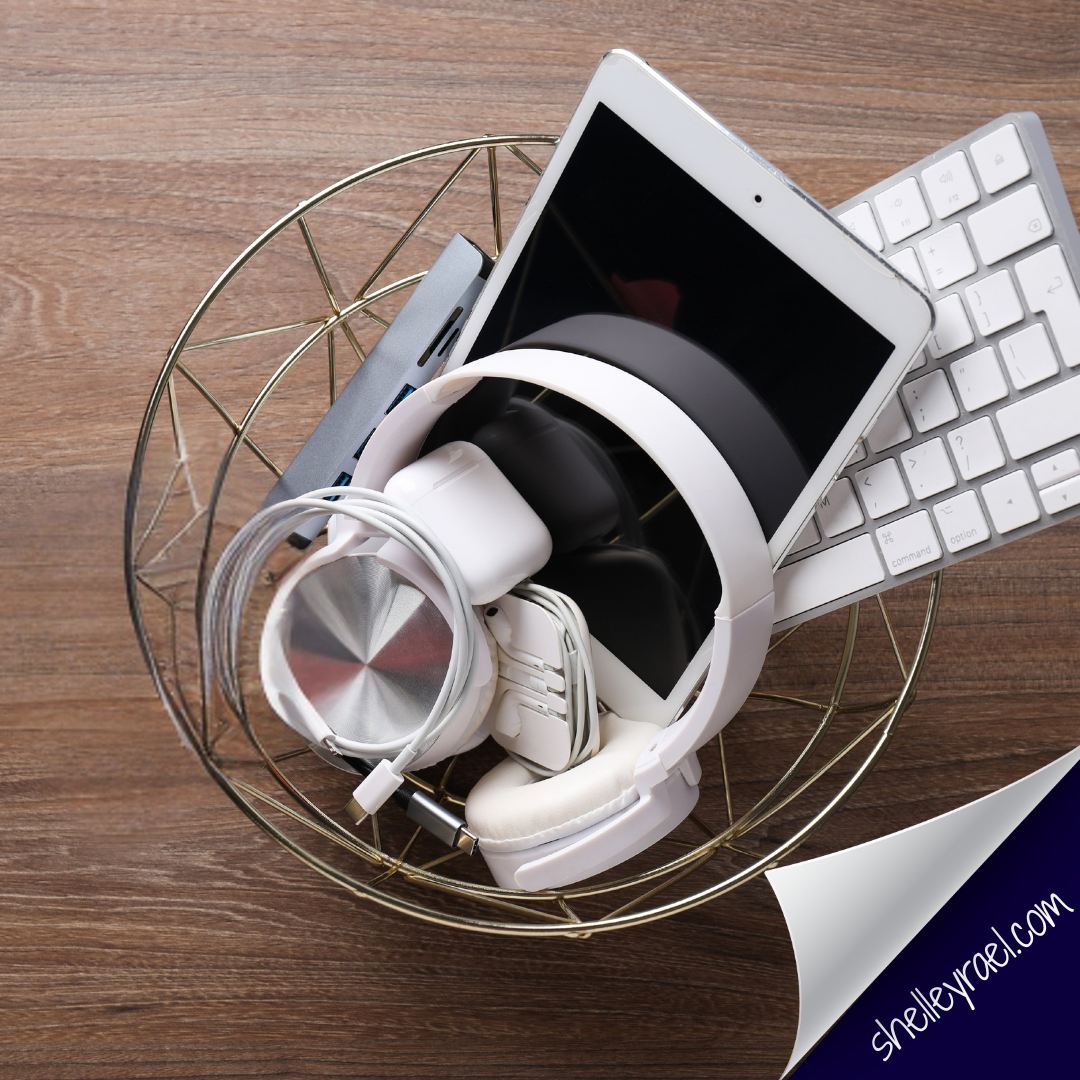
You might begin by:
Putting your phone away during meals – at home and when out.
Setting aside 30 to 60 minutes before bed without screens.
Turning off notifications that aren't necessary.
Leaving your phone in another room while you work.
Taking a short walk without checking your phone.
These may seem like small changes, but they can add up over time.
Create Technology-Free Spaces
Instead of thinking about when you should disconnect, think about where.
Designating certain places or activities as technology-free can help create healthier habits without feeling restrictive.
For example:
Keep phones off the dinner table.
Avoid bringing devices into the bedroom.
Put phones away during family game nights.
Keep meetings or conversations device-free whenever possible.
These boundaries aren't about avoiding technology. They're about being fully present in the moment.
Give Yourself Permission to Be Unavailable
Many of us feel like we need to respond immediately to every text, email, or notification.
In reality, very few messages require an immediate response.
If you're working, spending time with family, exercising, or simply relaxing, it's okay if an email waits an hour.
Or even until tomorrow morning.
Creating healthy boundaries doesn't make you less productive.
Often, it helps you become more focused because you're not constantly switching between tasks.
Turn Off What You Don't Need
Take a look at your phone for a moment.
How many apps are allowed to send notifications?
News alerts.
Shopping apps.
Games.
Social media.
Weather.
Sports scores.
Many of these notifications aren't urgent.
They're simply competing for your attention.
Turning off unnecessary notifications doesn't mean you stop using those apps.
It simply means you choose when to check them, rather than letting them interrupt your day.
Take a Walk Without Your Phone
This one can feel surprisingly uncomfortable at first.
We're so accustomed to listening to podcasts, checking messages, or scrolling while we wait that silence can feel unfamiliar.
But taking an occasional walk without your phone allows you to notice your surroundings.
You may hear birds instead of notifications.
Notice flowers you've walked past dozens of times.
Or simply enjoy giving your brain a few quiet minutes.
That's something many of us don't experience very often anymore.
Of course, when it comes to safety, make the right choice. If you are not comfortable walking without your phone, of course, take it. You can still have it in your pocket and not use it during the walk.
Try Screen-Free Meals
As a dietitian, I love recommending this habit.
Not because eating while watching television is "bad."
But because meals provide an opportunity to slow down.
When we eat while scrolling through social media or answering emails, it's easy to miss our body's hunger and fullness cues.
We may also miss the enjoyment of the meal itself.
Try choosing one meal each day where the television is off, and your phone stays out of reach.
You might be surprised how different the experience feels.
Consider a Mini Digital Detox
If you'd like to take things a little further, consider scheduling short periods where you intentionally disconnect.
That could mean:
One evening each week without social media.
A Saturday morning without checking email.
A few hours spent outdoors with your phone tucked away.
A family game night where everyone's devices stay in another room.
Notice I didn't say you had to disconnect for an entire week.
For many people, shorter breaks are much more realistic and easier to maintain.
"But I Need My Phone..."
This is probably the most common response I hear whenever someone mentions a digital detox.
And honestly, it's often true.
Many of us use our phones for work.
We use them for directions.
To stay connected with family.
To listen to music or podcasts while exercising.
Technology isn't the problem.
The goal isn't to eliminate it.
The goal is to become more intentional.
Ask yourself:
Am I using my phone because I need it right now?
Or because I've reached for it out of habit?
Sometimes the answer will be that you genuinely need it.
Other times, you may discover you're simply filling a quiet moment.
Finding Balance
There isn't a single right way to approach digital detox.
Some people enjoy taking an entire weekend away from social media.
Others simply decide not to check email after dinner.
Some people keep their phones in another room while they sleep.
Others begin by turning off a few notifications.
Every one of those approaches is a step toward building healthier habits.
The best approach is the one that fits your life and is realistic enough that you'll continue doing it.
The Bottom Line
Technology has changed our lives in many positive ways.
It helps us stay connected, learn new things, work more efficiently, and even improve our health.
But it's also worth asking whether we're using technology intentionally or simply responding to it all day long.
A digital detox doesn't have to mean disconnecting from the world.
Sometimes it simply means reconnecting with the people sitting across from you at dinner.
Taking a walk without distractions.
Reading a book before bed.
Or enjoying a meal without your phone beside your plate.
Small changes can make a meaningful difference.
This week, choose just one digital habit you'd like to change.
Maybe it's putting your phone away during dinner.
Maybe it's turning off a few notifications.
Maybe it's leaving your phone outside the bedroom tonight.
Whatever you choose, remember that the goal isn't to use technology less.
It's to use it more intentionally.
And that may be one of the healthiest habits you build this year.
Read More:
Mindless vs. Mindful Eating: How Awareness Can Change Your Eating Habits
APA poll reveals a nation suffering from stress of societal division, loneliness Nov 6 2025; American Psychological Association
How Does Blue Light From Electronic Devices Affect Sleep? Jul 2 2026 Sleep Foundation
Real World Nutrition Refreshed. As nutrition science and perspectives evolve, older blog posts are occasionally updated and republished. This post was originally written in August 2023 and has been refreshed and expanded here.