
Cranberries: Fresh, Dried, or Sauced? A Look at the Nutrition
If there's one food that signals the holiday season, it's cranberries. And I mean the actual holiday season, not Christmas decorations showing up in July. At least when it comes to food!
I get the feeling that most people don't think much about cranberries until they're dealing with a urinary tract infection or deciding whether cranberry sauce should be homemade or canned, whole berry or jellied.
I have a few opinions on this subject, so I'll come clean right from the start.
I've loved cranberry juice, including cranberry juice cocktail, for as long as I can remember. Growing up, I preferred whole-berry cranberry sauce and would pick out the berries to eat first. Jellied cranberry sauce was fine, too. These days, I make my own cranberry sauce every year. No orange juice, but sometimes a little bourbon makes an appearance.
So, I enjoy cranberries in several forms. And nutritionally, each has something to offer.
FAQs About Cranberries
Are dried cranberries as healthy as fresh cranberries?
They provide fiber and plant compounds, but dried cranberries are more calorie-dense and often contain added sugar.
Do cranberries help prevent UTIs?
They may help prevent recurrent UTIs in some people, but they do not treat an active infection.
Is cranberry juice cocktail healthy?
It can fit into a balanced diet, but check the label for added sugars. Juice also lacks the fiber found in whole cranberries.
Does cranberry sauce have added sugar?
Yes, most canned and homemade cranberry sauces contain added sugar.
Are frozen cranberries as nutritious as fresh?
Yes! Frozen cranberries retain much of their nutritional value and are a convenient alternative to fresh.
Fresh, frozen, dried, juiced, homemade, or straight from a can, cranberries can fit into a healthy eating pattern. The differences come down to how they're prepared, what’s added, and how much you eat.
So, I want to start with…
Where Do Cranberries Come From?
Cranberries are native to North America and grow on low-growing vines in specialized growing areas called bogs. They need acidic soil, sandy growing beds, plenty of irrigation water, and a period of winter dormancy.
Wisconsin is the largest cranberry-producing state, followed by Massachusetts. New Jersey, Washington, Oregon, and Maine also grow cranberries commercially. So, while Maine certainly has a cranberry industry, it isn't the only place associated with this little red fruit.
Cranberries are harvested in the fall, generally from September through November, depending on the growing region and variety. That's why fresh cranberries tend to show up in grocery stores as we head into the holiday season and are generally gone by January.
And if you've ever seen pictures of cranberries floating in a flooded field, there's a reason.
Cranberries don't actually grow underwater. They grow on vines in drained bogs. During wet harvesting, growers flood the fields and use specialized equipment to loosen the berries from the vines. Cranberries have small air pockets inside them, which allow them to float to the surface. Growers then gather the floating berries and remove them from the bog.
Most cranberries are harvested this way and used for juice, sauce, dried cranberries, and other processed products. A smaller portion is harvested dry, which is how many of the fresh cranberries sold in grocery stores are collected.
I once saw a cranberry bog recreated at a conference. People were invited to put on waders and get into the water. Several took advantage of the opportunity. I was perfectly happy watching from the sidelines. It was still pretty interesting to see how the process works!
What Nutrients Do Cranberries Provide?
Cranberries are relatively low in calories and provide fiber, vitamin C, vitamin E, vitamin K, manganese, and a variety of plant compounds called polyphenols.
Two groups of these compounds are worth mentioning:
Anthocyanins: These are pigments that give cranberries their red color and have antioxidant properties.
Proanthocyanidins (PACs): These plant compounds are credited with potentially preventing certain bacteria from attaching to the urinary tract.
Cranberries also provide fiber when you eat the whole fruit rather than drinking the juice.
That doesn't mean cranberries are such a nutritional powerhouse that they will prevent disease or fix a health problem. But they do contribute nutrients and beneficial plant compounds, making them an excellent addition to meals and snacks.
And you don't have to eat them plain to get some of those benefits.
That's important because fresh cranberries are tart. Really tart. Some people enjoy them without added sweetener, but most of us prefer a little help! You can try one, but be prepared.
A bit of sugar can make cranberries more enjoyable and easier to fit into your diet. If adding some sweetness means you'll eat them, I'm all for that. Nutrition isn't about making every food as low in sugar as possible. Sugar is not toxic, as some people like to claim.
It's about balance and the overall eating pattern.
Fresh, Frozen, or Dried: Does It Make a Difference?
Fresh and Frozen Cranberries
Fresh cranberries are available seasonally, but frozen cranberries are just as good. You can generally use them interchangeably in sauces, baked goods, oatmeal, and other recipes. I usually buy the large bag at Costco in November and freeze them for year-round use.
One cup of raw cranberries provides approximately 50 calories, 4 grams of fiber, and 15 milligrams of vitamin C. They also provide a variety of plant compounds.
Fresh cranberries are quite tart, as I noted, which is why they're often cooked with sugar or another sweetener. But you can also add them to recipes where other ingredients provide sweetness, such as muffins, quick breads, or oatmeal.
Dried Cranberries
I use dried cranberries quite a bit, especially in oatmeal and homemade trail mix. They're convenient, easy to store, and add a nice sweet-tart flavor. And they're available year-round.
Do they still provide nutritional benefits? Yes. Dried cranberries retain fiber and some plant compounds, although the drying process reduces certain heat- and processing-sensitive nutrients, including vitamin C.
Remember that most dried cranberries sold in grocery stores contain added sugar. That's partly because fresh cranberries are so tart, and sweetening helps make the dried version more palatable.
Drying also removes water, concentrating the calories and carbohydrates into a smaller volume. A small handful can contain considerably more calories and sugar than the same volume of fresh cranberries.
That doesn't mean you need to avoid them. Just be mindful of your portions and check the ingredient list. They can be a nice addition to oatmeal, salads, yogurt, baked goods, and trail mix.
What About Cranberry Juice?
This is where the terminology can get confusing.
There are several products on the shelf:
100% cranberry juice: Pure cranberry juice with no added sweetener. It is very tart, and some people prefer to dilute it.
Cranberry juice cocktail: Usually a combination of cranberry juice, water, and added sweeteners. The amount of cranberry juice varies by product.
100% cranberry juice blends: These combine cranberry juice with other fruit juices, such as apple or grape. They can contain no added sugar while still being much sweeter than pure cranberry juice.
If you want pure cranberry juice, look for wording such as "unsweetened" or "pure cranberry juice" and check the ingredient list. The words "100% juice" don't necessarily mean the product contains only cranberry juice. It isn’t meant to be misleading, but to be truthful and informative. It would be a shame for someone to buy 100% cranberry juice and expect something completely drinkable.
And here's my take: If you enjoy cranberry juice cocktail, there's no reason to assume you need to switch to unsweetened cranberry juice to get some nutritional value from cranberries.
You can also mix pure cranberry juice with another 100% fruit juice or dilute it with water. A little added sugar can make the juice more enjoyable, too. The amount of cranberry in the product is worth considering, especially if you're interested in the compounds associated with urinary tract health, but you don't need to drink something you dislike.
Just remember that juice, even 100% juice, doesn't provide the fiber you get from eating whole fruit.
Homemade or Canned Cranberry Sauce?
Now we're getting to the holiday debate.
Whole berry or jellied? Homemade or canned?
Nutritionally, neither option needs to be off the table.
Canned cranberry sauce typically contains cranberries, sweeteners, and water. Both whole-berry and jellied varieties provide carbohydrates and added sugar. Whole-berry sauce retains pieces of cranberry, while jellied sauce is strained and has a smooth texture.
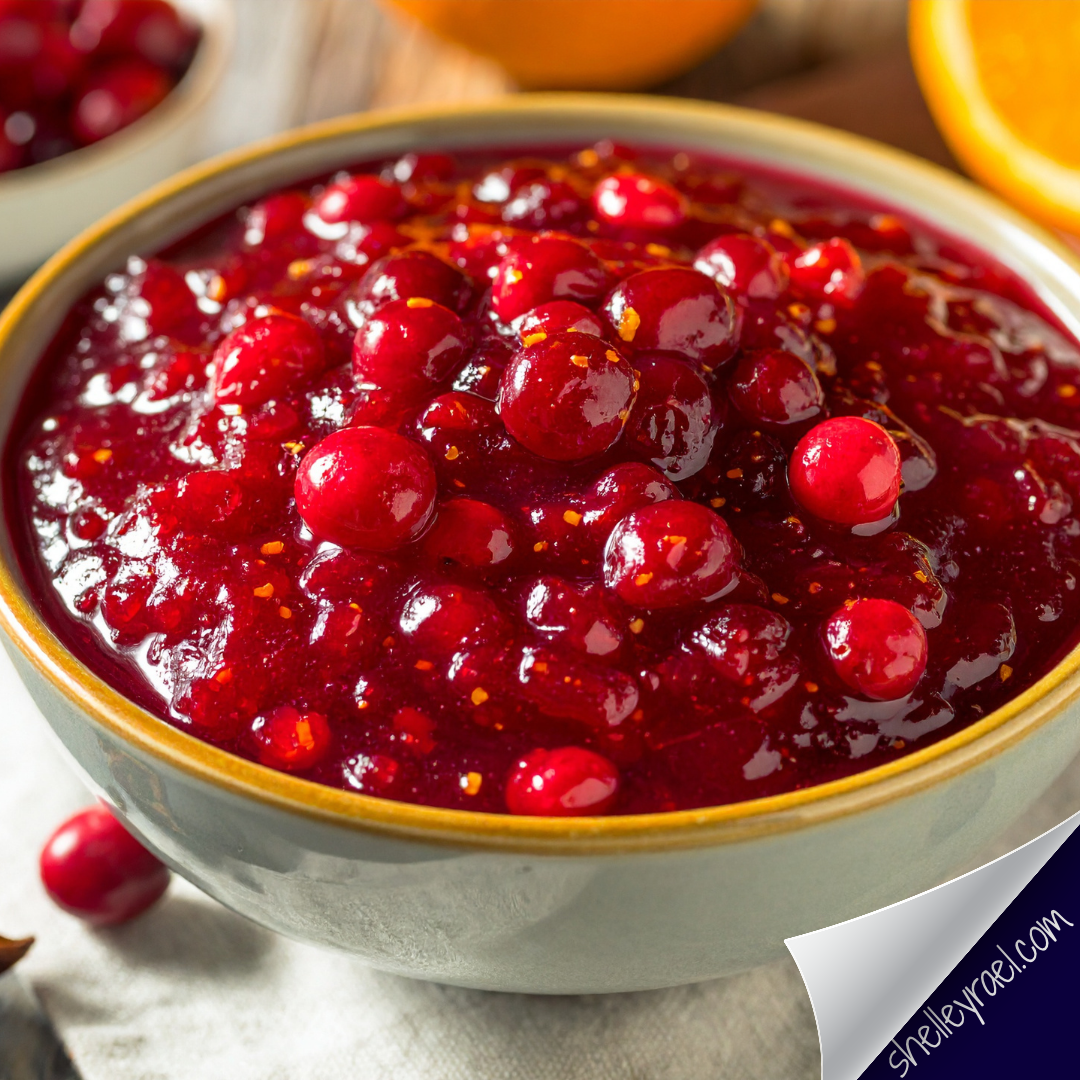
Homemade cranberry sauce gives you more control over the ingredients and sweetness. You can decide how much sugar to add, whether to include spices, and what other flavors you enjoy.
I prefer homemade, and I make mine with water and not orange juice (which is the common liquid in recipes for homemade cranberry sauce). Sometimes I add a little bourbon. But if you prefer the canned version, that's fine, too. Nothing wrong with that.
The important thing is to remember that cranberry sauce is generally a condiment or side dish, not something you're eating by the bowlful. A little added sugar in a food you enjoy isn't something to worry about in the context of your overall eating pattern.
Do Cranberries Really Help Prevent UTIs?
This is probably the health benefit most people associate with cranberries.
Cranberries contain proanthocyanidins, or PACs, which may help prevent certain bacteria, particularly E. coli, from attaching to the lining of the urinary tract. If bacteria have a harder time attaching, they may be less likely to cause an infection.
Research suggests cranberry products can help reduce the risk of recurrent urinary tract infections in some populations. A Cochrane review found evidence of benefit for women with recurrent UTIs, children, and people at risk following certain medical procedures. However, the evidence does not show that cranberries prevent UTIs in everyone.
A couple of important points to note.
Cranberries may help with prevention, but they do not treat an active UTI. If you have symptoms such as burning with urination, frequent urination, or pelvic discomfort, don't rely on cranberry juice to clear an infection. Seek medical advice.
Also, not all cranberry products contain the same amount of PACs. Juice, dried cranberries, sauce, and supplements vary in their composition. We don't have a universally established amount of cranberry juice or PACs that everyone should consume to prevent UTIs. Also, a dietary supplement may claim a certain amount of cranberry compounds, but that claim may not be accurate or meaningful.
If you experience recurrent UTIs, talk with your healthcare provider about whether cranberry products might be appropriate as one part of a prevention plan. They aren't a replacement for medical evaluation or treatment.
Two Easy Ways to Enjoy Cranberries
You don't need complicated recipes to include cranberries in your meals. Here are two simple ideas.
Homemade Cranberry Sauce
Ingredients:
12 ounces fresh or frozen cranberries
½ cup water
⅓ to ½ cup sugar, depending on how sweet you like it
1 cinnamon stick or ¼ teaspoon ground cinnamon
Optional: 1 to 2 tablespoons bourbon
Directions:
Combine the cranberries, water, sugar, and cinnamon in a saucepan.
Bring to a gentle boil, then reduce the heat and simmer for about 10 to 15 minutes.
Stir occasionally as the cranberries begin to pop and the mixture thickens.
Remove from the heat and stir in the bourbon, if using.
Let cool. The sauce will thicken further as it sits.
Adjust the sugar to your preference. You can also make this ahead and refrigerate it until you're ready to serve.
Cranberry Walnut Oatmeal
Ingredients:
½ cup old-fashioned oats
1 cup milk or fortified soy milk
2 tablespoons dried cranberries
1 tablespoon chopped walnuts
Cinnamon to taste
Optional: chopped apple or Greek yogurt
Directions:
Cook the oats with milk according to package directions. Or, add milk and oats to a bowl or jar and let sit overnight.
Stir in the dried cranberries and cinnamon.
Top with walnuts and chopped apple or Greek yogurt.
The cranberries add sweetness, the walnuts provide healthy fats, and the oats contribute fiber. It's an easy breakfast that doesn't require much preparation. In fact, I usually mix all the dry ingredients into a reusable container at the start of the week, then, the night before or the morning of, add the milk and other wet ingredients.
The Bottom Line: There's Room for All Kinds of Cranberries
Fresh, frozen, dried, juiced, homemade, or canned. You don't have to choose just one way to enjoy cranberries.
Fresh and frozen cranberries provide fiber, vitamin C, and beneficial plant compounds. Dried cranberries are convenient and still contribute fiber, although many varieties have added sugar. Juice can provide cranberry compounds, but it doesn't offer the fiber found in whole fruit. And cranberry sauce? It's a holiday favorite that can absolutely fit into a balanced eating pattern.
I also don't want the added-sugar point to overshadow the fact that some foods need a little sweetness to be enjoyable. Cranberries are naturally tart. If a little sugar makes them something you'll actually eat, that's a reasonable trade-off.
And if you enjoy cranberry juice cocktail, you don't need to feel like you've chosen the wrong option. Pay attention to the ingredients, serving size, and how it fits into your overall eating pattern.
As for the UTI connection, some evidence suggests cranberry products can help prevent recurrent infections in certain populations, but they aren't a treatment for an active infection.
So, whether you're team homemade, canned, whole berry, jellied, juice, or dried, enjoy your cranberries. You don't need to turn another seasonal food into a nutrition debate!