Help the Environment With Your Food Choices
Help the Environment With Your Food Choices
When people think about helping the environment, food is not always the first place they look.
Transportation, energy use, and waste tend to get most of the attention, the most “airtime.”
But food choices, not just the food waste we think of, are part of the picture too.
As usual, with pretty much anything I share, there are steps, plenty of “little things” we can do that don’t require starting a compost pile. It is not an all-or-nothing approach, nor does it require a complete overhaul of how you eat. These are practical ways to make choices that benefit your health and the environment.
This list is just a starting point. You may have more ideas about sustainable food choices, and I am happy to hear them.
Start With What You Already Have
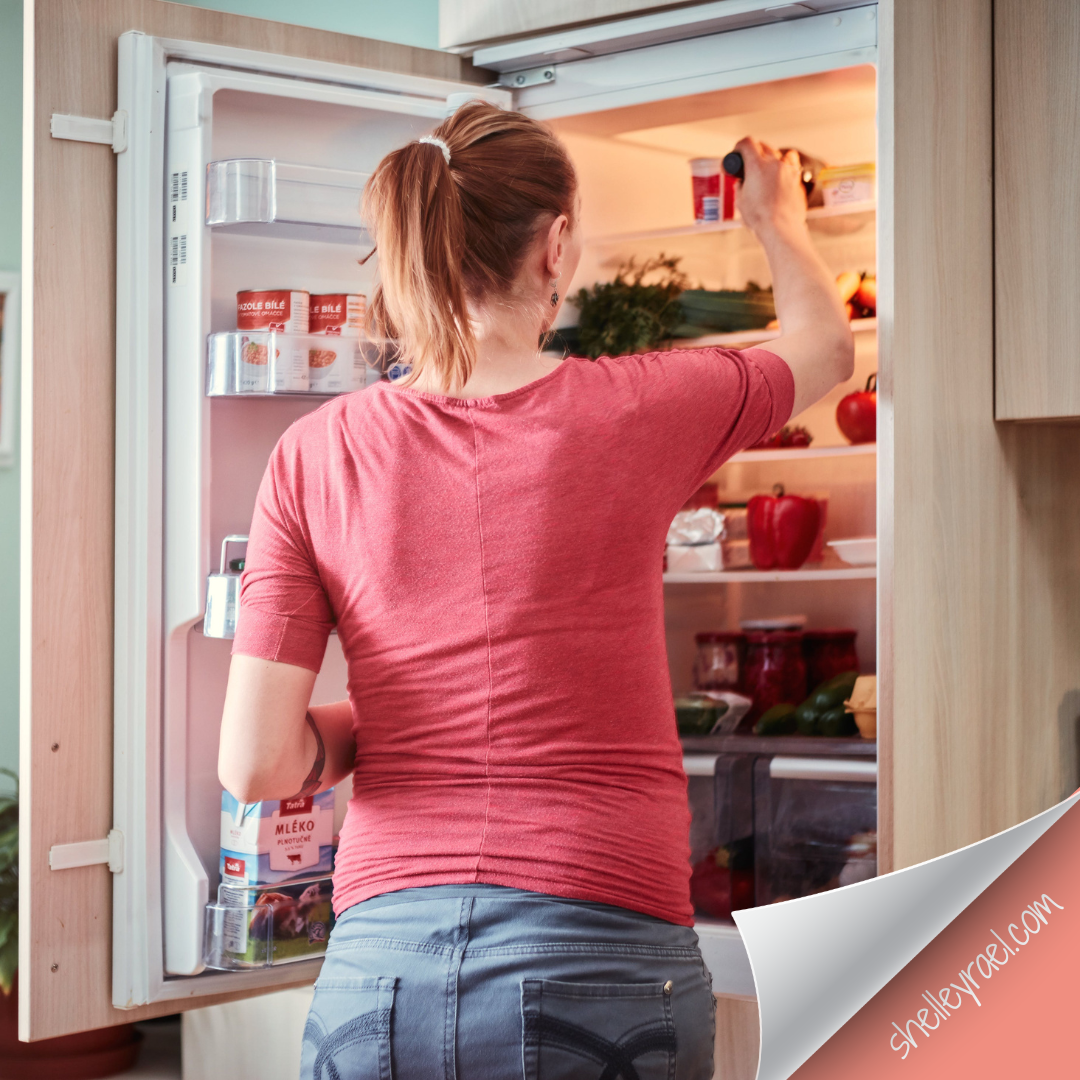
One of the simplest and most effective things you can do is use the food you already have.
Before heading to the store or placing an order, take a few minutes to do a quick kitchen inventory.
Look in the refrigerator, the pantry, and the freezer.
What is already there that can be used this week?
It is easy to forget what is in the back of the fridge or the bottom of the freezer. But those things are likely still good. And using them first can help reduce waste and save money at the same time. And, I often say, if you are not interested in using them this time, will you be interested in using them next time? If not, maybe it’s time to let them go.
If you are not sure what to make, a quick search can give you ideas. Or you can keep it simple and combine what you have into a meal without a recipe.
Meals do not have to be complex, gourmet, or time-consuming to be good for you.
Understand Food Date Labels
Food date labels are one of the biggest contributors to unnecessary food waste.
Terms like “best by,” “use by,” and “sell by” are often misunderstood. Once people understand these, it really goes a long way in reducing food waste.
These dates are usually about quality, not safety.
An unopened food item is often still safe to eat past the listed date. Once a product is opened, timing matters more, and proper storage becomes important.
I was recently going through some baking ingredients in my pantry and found a couple of things with dates from a couple of years ago. They were opened. I probably needed these items for a single recipe and never used them again. Based on the type of ingredients they were, they were probably still fine. But…because I hadn’t used them in 2-3 or more years? I figured I probably wasn’t going to use them anytime soon.
What I did do was use my senses, which can go a long way.
If something like a dry good or an unopened item looks, smells, and tastes normal, it is often still okay to use. Careful on that taste part…
Learning to interpret these labels can help reduce the amount of food unnecessarily thrown away.
But please, this is solely for unopened items, such as canned goods and packaged foods, and for opened items, such as rice, pasta, and dried beans. And that Karo corn syrup and powdered milk that I threw out. I threw it out, not because it was spoiled, but because I was not likely to use it.
Note: this does not apply to fresh, opened, or prepared food such as meats, milk, yogurt, and last week’s leftovers. That’s different.
Shift the Balance of Your Plate
Our food choices can also affect the environment through how foods are produced.
This is where I talk about balance.
Meals do not need to be centered around large portions of animal protein – though I know some people will disagree.
An approach promoted for years to build meals with:
Half the plate is fruits and vegetables
A quarter as grains
A quarter as protein
Protein can come from a mix of sources, including beans, lentils, nuts, seeds, dairy, eggs, and meat.
This is not about removing foods – but adding foods. It is about creating variety and balance.
Including more plant-based foods has a significant positive impact on our health and the environment. And you don’t need to adhere to a specific label or eating pattern. Meaning, this does not mean you need to be a vegetarian. Plant-slanted is the term.
Choose Local When It Makes Sense
Buying local foods can be another way to support the environment, depending on what is available in your area.
Local foods often require less transportation and can support local agriculture and economies.
That said, not all foods can be local.
Coffee, bananas, and many other foods are grown in specific regions and will always require transportation.
So again, this is one of those areas where those small steps still count.
It is about making local choices when they are practical and available.
Farmers’ markets, community-supported agriculture boxes, and local producers can be good options to check out.
Freeze More, Waste Less
Freezing is one of the most underused tools for reducing food waste.
If you have extra portions, ingredients you will not use in time, or seasonal foods you want to save, freezing can help extend their shelf life.
This works for:
Leftovers
Bread
Cooked grains
Fruits and vegetables
Meats and proteins
Freezing helps preserve both food and nutrients while giving you more flexibility in how you use what you have.
It also makes it easier to have meals ready without having to start from scratch every time.
Be Thoughtful About Packaging
Packaging is part of the environmental conversation, but it is not always as simple as avoiding it completely.
Some packaging helps extend shelf life and reduce food waste.
The goal is not zero packaging. It is being more aware of it.
A few simple considerations:
Choose larger containers when appropriate instead of multiple smaller ones
Use reusable bags and containers when possible
Recycle when options are available
Small adjustments can add up over time.
Plan, But Keep It Flexible
Meal planning can help reduce waste, but it does not need to be rigid.
Having a general plan for the week can help guide what you buy and how you use it.
At the same time, be flexible.
Plans change. Schedules shift. Preferences vary.
Leaving room for those adjustments helps ensure that food is actually used rather than forgotten.
Grow Food If It Works for You
Growing your own food is often suggested as a way to support the environment.
And for some people, it works well.
For others, not so much.
Not everyone has the time, space, or interest in maintaining a garden. And that is okay.
If growing food is something you enjoy or want to try, even small efforts, like growing herbs or a few vegetables, can still be meaningful.
And if it is not your thing, supporting the people who grow food is just as important. I say this a lot, if I had to grow my own food, I would be in trouble. So, I am grateful for those who can and do.
The Bottom Line
Helping the environment with your food choices can be done with small conscious steps.
It is about making realistic decisions that fit into your life.
Using what you have, reducing waste, including more plant foods, and being thoughtful about how food is purchased and stored can all make a difference over time.
Small changes, done consistently, tend to be more meaningful than large changes that are hard to maintain.
Real World Nutrition Refreshed: I am revitalizing and updating my blog archive and re-publishing it. Stay tuned as I review, update, refresh, and re-share these posts to provide you with even more valuable information on nutrition, health, and overall wellness—and keep things timely. A portion of this blog was initially posted in April 2022 and has been updated here.