
Stress and Nutrition: How Stress Impacts Eating Habits and Health
Stress is part of life. Everyone’s life. And that may elicit a “no kidding” response. But sometimes people don’t realize the various forms and causes of stress.
It shows up in different ways and for different reasons. Sometimes it is short-term and situational – like the morning commute that takes longer because of an accident, increasing travel time, and making you late.
Other times, it lingers and becomes part of daily life, like paying for rent, gas, utilities, insurance, and groceries. And hoping there is enough left over to get the kids new clothes that fit.
Often, I hear the term “stress-free” or the phrase “eliminate stress.” Not happening. The goal is not to eliminate stress completely. That is not realistic.
The goal is to understand how it affects your body and how to manage it for your overall health. And, nutrition does have a role here.
What Happens in the Body During Stress
When the body perceives stress, it activates what is often called the “fight or flight” response.
This is a physiological response designed to help you react quickly to a threat. This means that whether there is an actual stressor or if your brain thinks there is, the body will respond automatically.
Hormones like cortisol and adrenaline, the so-called stress hormones, are released. These hormones trigger several changes in the body:
Heart rate increases
Blood pressure rises
Energy stores are mobilized
One of the key changes is that the body releases glucose and fatty acids into the bloodstream. That’s what is meant by the energy stores being mobilized.
These responses are not a problem. It is a function. An essential function.
The body is preparing for action and needs readily available energy to respond – to fight or flee.
Even if the “threat” is not physical, such as a deadline, running late, or a financial concern, the body responds similarly. It doesn’t care what the stressor is; it only cares that there is a stressor.
Why Stress Influences What You Want to Eat
Because stress increases energy needs in the form of glucose and fats circulating in the bloodstream throughout the body, it also affects how and what you want to eat. Again, this is a normal physiological response.
Why Does Stress Cause Cravings?
When you are stressed, your body releases hormones like cortisol that increase appetite and signal a need for quick energy.
At the same time, stress triggers the release of glucose into the bloodstream to prepare for action. Even if you are not physically active, your body is still in that “ready” state.
This combination can lead to cravings for foods higher in sugar and fat because they provide quick, readily available energy.
It is not a lack of willpower. It is a biological response paired with what is convenient and available in the moment.
This is when we often have cravings.
Under stress, people tend to reach for foods that provide quick energy, such as:
Foods higher in sugar
Foods higher in fat
More convenient or readily available options
This is not about willpower.
It is a biological response paired with the reality of daily life.
When time is limited or energy is low, convenience often wins.
Consider that these responses have been true for as long as humans have existed.
What has changed is that access to those foods higher in sugar and fat is readily available in more concentrated forms.
So, yes, in the 20th and 21st Centuries, chips, ice cream, a fast-food meal, reaching for anything, or having it delivered in no time is the norm. Before this, people had to work to obtain those foods and depend on their own resources to produce them.
Consider how our environments have changed over the centuries. Both on what those stressors were then and now, and what foods were available then and now.
Different Types of Stress
Not all stress is the same. As said earlier, aiming for no stress or being stress-free isn’t the goal. So, what are these different types of stress?
There is distress, which is the kind of stress we usually think about. It can come from:
Overpacked schedules
Work demands
Financial concerns
Health issues
Family responsibilities
Broader social or political stressors
There is also eustress, which is a more positive form of stress.
This can include things like:
A new job
Moving
A new baby
Even positive events can place demands on the body and mind.
Stress is not always about something negative happening. It is about the body’s response to change or demand.
How Stress Affects Appetite, Digestion, and Eating Patterns
This is important: stress does not affect everyone in the same way.
Again, this may seem obvious, but people often think their experiences are what everyone else experiences. This isn’t accurate.
Appetite Changes
Some people notice an increase in appetite. Others notice a decrease.
Both responses are normal.
Short-term stress may suppress appetite, while longer-term stress can increase it.
Neither is right nor wrong, good nor bad, positive or negative. Just different.
Cravings and Eating Patterns
Stress can shift eating patterns in a few ways:
Eating more frequently or less frequently
Skipping meals and then overeating later
Choosing more convenience foods
Again, this is often tied to both biology and circumstance. People will say they “forget” to eat because they are so busy, but the body does not run on fumes and needs energy.
So, when those individuals skip meals or go long periods without eating, they are likely making up for it later, either by overeating or by choosing high-calorie foods that may not be the best choices for long-term health.
Digestion
Stress can also affect digestion.
When the body is in a stress response, digestion is not the priority. The stress response diverts blood to the extremities – prioritizing the needs there, again for the fight or flight response. Blood flow to the gut is not essential in the moment.
This can lead to:
Slower digestion
Stomach discomfort
Changes in bowel habits
This is why people sometimes notice digestive symptoms during stressful periods. IBS is one of the common results of chronic stress.
Note: There are many reasons for IBS, but stress is a big contributor
Blood Sugar, Energy, and Stress
Stress and blood sugar are closely connected
When stress hormones increase, blood sugar levels can rise as part of the body’s response. Again, this is a good thing to support the fight-or-flight response, which is the necessary reaction to stress.
At the same time, irregular eating patterns resulting from chronic stress can contribute to fluctuations in energy.
This can appear as follows:
Energy spikes followed by crashes
Increased fatigue
Difficulty concentrating
For individuals managing conditions like diabetes, stress can make blood sugar management more challenging.
Even without a medical condition, these fluctuations can affect how you feel throughout the day.
An example is when people are stressed in the work environment and go to the vending machine or a nearby convenience store, reaching for a quick energy source like candy, chips, or similar snack food. It will give a quick energy spike, followed by a crash an hour or so later
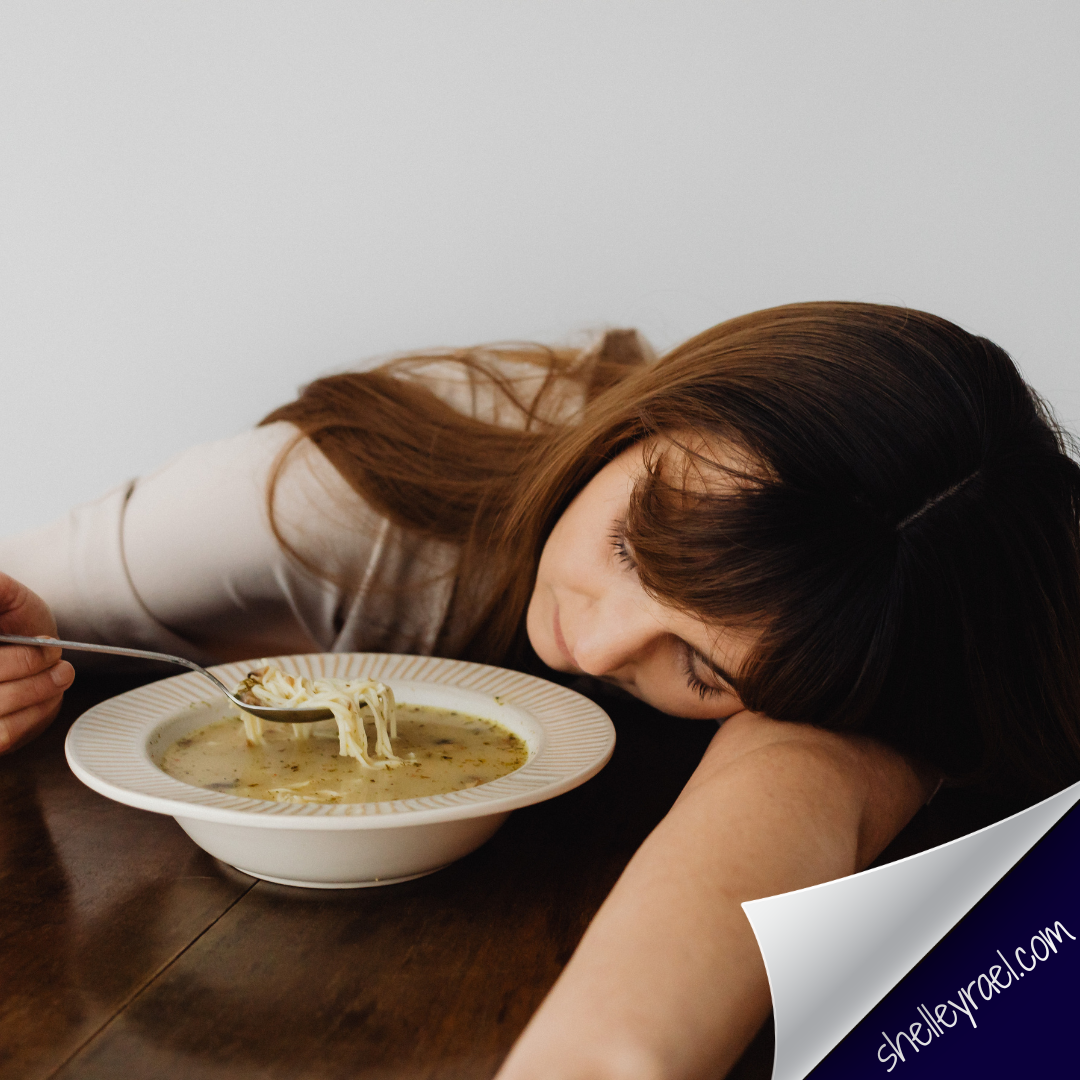
Managing Stress Without Turning It Into a “Food Rule”
This is where it is easy for us to start thinking about “food rules.”
Eat this. Avoid that. Do not stress eat.
That approach isn’t particularly helpful. And it is unrealistic.
Instead, it is more useful to focus on realistic strategies that can help with both nutrition and stress management.
Real World – Real Life Strategies
So what are some things we can do to help manage our stress?
Keep Eating Consistent Meals
Even when appetite is low or schedules are busy, regular meals can help stabilize energy levels.
It doesn’t need to be rigid or exact; it just needs to be consistent enough.
This can be having a meal or snack every four hours, ensuring there is something to eat within a couple of hours of waking, whatever works best, and is consistent.
Build Flexible Meals
Meals do not need to be complicated. That’s often where things go off – thinking it must be a whole pots-and-pans, complex cooking, fully balanced, or it’s not worth it situation.
Having a few go-to combinations can reduce decision fatigue.
This might include:
A protein source
A carbohydrate source
A fruit or a vegetable
Simple combinations can go a long way during stressful periods.
Plan for Convenience
Stressful times are not the time to expect elaborate meal preparation. Convenience foods have their place, and this is it. Expecting every single thing to be fresh and DIY is not realistic.
Having ready-to-eat or easy-to-prepare foods available can make a difference.
This might include:
Pre-cut vegetables, which can include salad kits
Frozen meals or ingredients like vegetables and fruits
Simple snacks such as nuts, trail mix, peanut butter bites, and even some simple granola bars.
Convenience is not a failure. It is a strategy. These foods are great and have their place. That place is in your kitchen at the ready.
Pay Attention to Patterns, Not That One Thing
Instead of focusing on individual choices, look at patterns over time.
One food, one meal, or one day does not define anything.
Patterns provide a more accurate picture.
Support Stress Outside of Food
Nutrition is one piece of the puzzle. And often, people don’t really think of food as part of the stress-management equation. But we do need to consider all aspects of stress management.
Those other factors include:
Sleep
Movement
Social connection
Time for rest
These do not need to be all figured out either. They just need to be considered as part of the overall picture.
A Different Way to Think About Stress and Nutrition
Stress and nutrition are connected, but not in a way that requires strict control, which could, in turn, contribute to more stress.
It is not about eliminating certain foods or following rigid rules during stressful times. Again, something that would add to stress, not help.
What we can do is understand what is happening in the body and respond in ways that support it.
Sometimes that means choosing balanced meals.
Sometimes that means choosing convenience.
Sometimes that means simply eating something.
Remember These Points
Stress affects appetite, cravings, digestion, and energy in both biological and practical ways.
There is a reason for these responses.
These responses are not failures.
They are part of how the body adapts.
The goal is not to remove or eliminate stress, which could lead to more stress by chasing an elusive goal.
The goal is to manage stress to support overall health – both physical and mental.
Small, consistent actions tend to be more helpful than trying to do everything at once.