
Movement: Keeping Your Body Strong for the Long Haul
Movement: Keeping Your Body Strong for the Long Haul
This post is the ninth installment in my series of 12 simple, realistic steps to help you feel stronger, healthier, and more vibrant. Each post covers one action that supports longevity, hormonal balance, and energy, no matter your age or current health status. You can catch up on prior posts at the links below. Today, we’re focusing on the importance of movement, keeping in mind that this is a fraction of a much bigger topic.
Let’s talk about movement.
Yes, this blog series is primarily about nutrition, but physical activity is an essential part of the longevity and vitality equation. Whether you love exercise, dread it, or feel confused about what you “should” be doing, you’re not alone.
Here’s the good news: You don’t have to be a gym rat or marathon runner to benefit. Movement is about keeping your body strong, functional, and resilient for years to come. Let’s break it down.
Movement vs. Physical Activity vs. Exercise
These terms are often used interchangeably, but they have subtle differences:
Movement refers to any bodily motion (walking the dog, cleaning the house, playing with your grandkids).
Physical activity is movement that requires energy (gardening, dancing, hiking).
Exercise is structured, intentional movement to improve fitness (strength training, running, yoga).
All three are valuable. And no, you do not need to join a gym to benefit. Let’s put that myth to rest.
The Three Key Components of Exercise
To support long-term health and functionality, aim for a balance of strength, cardiovascular, and mobility and flexibility activities. Each offers unique benefits, and together they create a strong foundation for healthy aging.
1. Strength Training
Also known as resistance training, weightlifting, or “toning” (though the latter term is often vague), strength training is essential. It helps:
Prevent and slow sarcopenia, the age-related loss of muscle mass
Support healthy metabolism (muscle burns more calories than fat at rest)
Improve balance and reduce fall risk
Increase bone density
Examples:
Lifting weights (free weights or machines)
Resistance bands
Bodyweight exercises (squats, push-ups, planks)
Pilates
Frequency: Aim for 2–3 sessions per week, targeting all major muscle groups.
2. Cardiovascular Exercise
Also known as aerobic exercise or cardio, this type gets your heart rate up and supports overall endurance and heart health.
Benefits include:
Improved heart and lung function
Lower risk of high blood pressure, heart disease, and type 2 diabetes
Boosted mood and cognitive function
Examples:
Brisk walking
Swimming
Dancing
Cycling
Jogging
The Talk Test: If you can talk but not sing during the activity, you’re likely in the right zone. If you can hold a conversation, no problem, where someone on the phone wouldn’t know you are doing something? You need to pick up the pace.
Frequency: At least 150 minutes of moderate or 75 minutes of vigorous activity per week.
3. Mobility, Flexibility & Balance
Often overlooked, this type of movement keeps your joints functioning, prevents injury, and aids with everyday tasks like tying your shoes or reaching for something on a high shelf.
Examples:
Stretching routines
Yoga
Tai chi
Balance-focused workouts
Frequency: Ideally, daily, even 5–10 minutes counts.
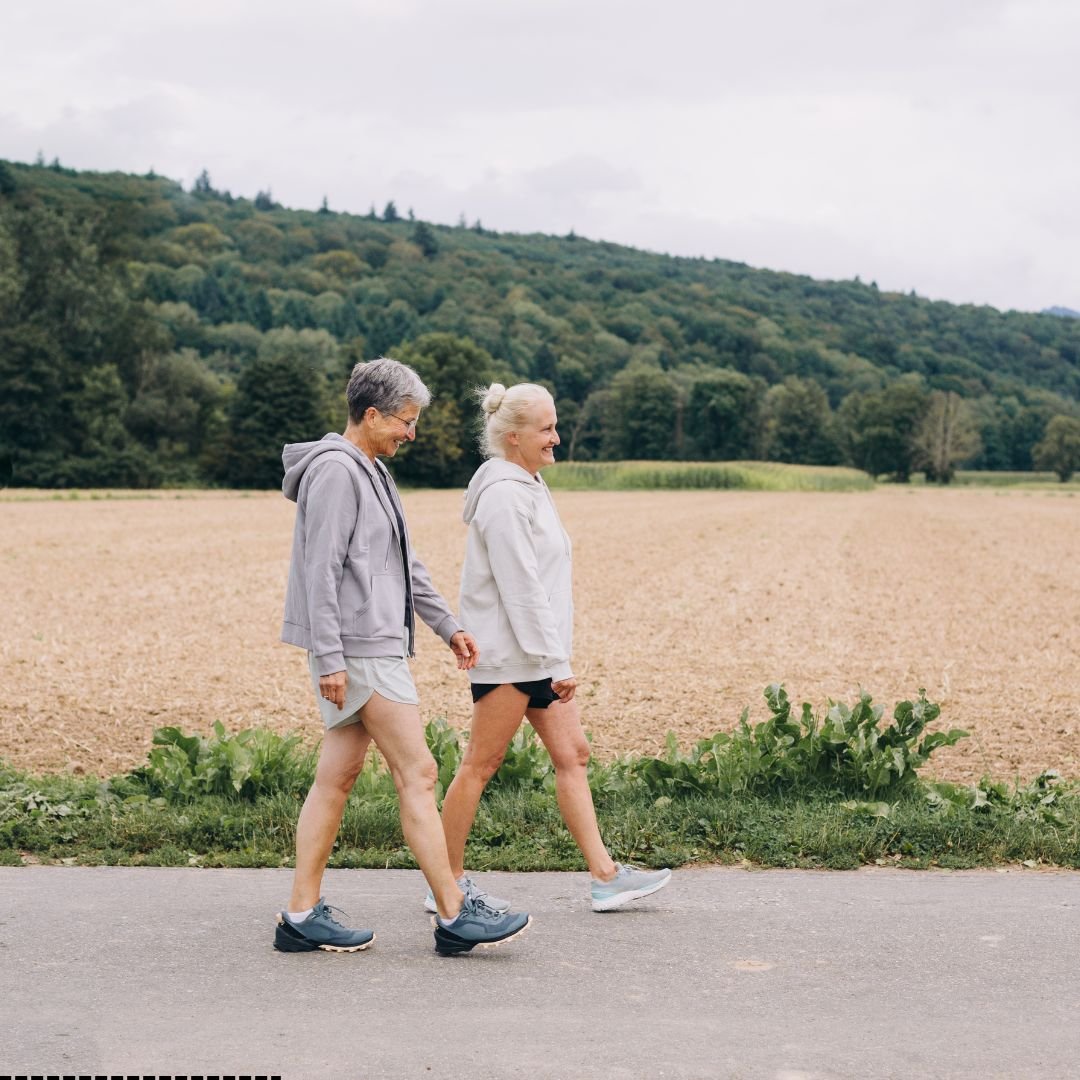
Making Movement Realistic in a Busy Life
We get it: life is hectic. Here’s how to fit in movement without overhauling your schedule.
10 Simple Ways to Move More Without Stress
Walk during phone calls
Take the stairs when possible
Do a 10-minute YouTube workout in the morning
Park farther away at the store
Schedule movement breaks into your workday
Set a timer to stretch every hour
Join a short weekly group fitness class (even virtually)
Carry groceries instead of using a cart
Dance while making dinner
Play actively with kids or pets
Movement doesn’t need to be formal to be effective.
Physical and Mental Benefits of Regular Activity
When you move regularly, you’re not just working your muscles. You’re supporting every system in your body:
Better sleep
Improved mood
Lower stress levels
Reduced risk of osteoporosis
Improved blood sugar and insulin sensitivity
Support for cognitive function
It’s not about chasing an idealistic and often unattainable physique to show off on social media. It’s about building habits that make you feel better now and support your long-term health.
Journal Prompts & Action Steps
Consider your current level of activity and any adjustments that may be needed, along with ideas on how to implement them.
Action Steps:
Assess your current weekly movement: What types? How often?
Choose one type of movement you’re not doing and add it once this week
Identify one barrier and one solution (e.g., no time → short home workouts)
Plan two 10-minute movement breaks this week
Reflection Questions:
Contemplation: What do I believe about exercise and aging? How do I feel physically when I’m less active?
Preparation: What kind of movement do I enjoy or want to try? What time of day works for activity, realistically?
Action: What type of movement did I do this week, and how did I feel afterward? What obstacles did I overcome to fit it in?
Maintenance: What routines help me stay consistent? How do I adjust when my schedule changes or life gets busy?
Next Up: Stress Management: The Hidden Key to Aging Well
In Thursday’s post, we’ll dive into how chronic stress affects your body and mind, and share real-life strategies to keep it in check.
Catch Up on the Previous Posts in This Series:
Read More from this series on practical habits to help you feel stronger, healthier, and more vibrant for years to come: Your Personal Path to Longevity & Vitality