
Where Does Energy Come From? Understanding Calories
Where Does Energy Come From? Understanding Calories
We toss around the word “calories” all the time, but many people aren’t quite sure what that really means or how calories relate to energy. I was reminded of this recently when discussing so-called “energy drinks” that have no calories. So, how can something give you energy if it contains none? If it has no calories, then I cannot have energy.
What Is a Calorie?
In nutrition science, a calorie is the unit we use to measure energy. Technically, it’s a kilocalorie (kcal), which is the energy needed to raise the temperature of one gram of water by one degree Celsius. Sounds like chemistry class, right?
But in everyday nutrition, this helps us quantify how much energy a food can provide our bodies and how much energy our bodies need. Yes, we need those calories.
Calories are not just abstract numbers. They’re how our body gets the fuel to function, whether powering a workout, staying focused, or simply keeping our heart beating.
Where Do Calories Come From?
There are four sources of calories in the diet, but only three are nutrients:
Carbohydrates – 4 calories per gram
Protein – 4 calories per gram
Fat – 9 calories per gram
Alcohol – 7 calories per gram (not a nutrient)
Let’s break those down.
CARBOHYDRATES:
Carbs are your body’s go-to fuel. They’re found in fruit, vegetables, bread, beans, dairy, and even chocolate. They are in plant-based foods as well as dairy foods. Each gram of carbohydrate provides 4 calories of energy. So if you eat 15 grams of carbs, that’s 60 calories from carbs alone.
PROTEIN:
Often associated with muscle building, protein also provides 4 calories per gram, the same as carbs. The body uses protein for repair and maintenance, whether it’s chicken, tofu, yogurt, or beans.
Fun fact: Many are surprised that protein and carbs offer the same energy per gram. Protein is often seen as more “nutrient-dense,” but calorie-wise, it equals carbs.
FAT:
Fat is the most calorie-dense of the three macronutrients, at 9 calories per gram. That’s more than double what you get from protein or carbs. Fat is found in oils, butter, nuts, seeds, and fatty fish.
And no, “light” olive oil isn’t lower in calories; it’s lighter in flavor. Fat always has 9 calories per gram, regardless of the source.
ALCOHOL:
While not a nutrient, alcohol still provides 7 calories per gram. A shot of hard liquor (about 1.5 ounces) can have 90–110 calories even without any carbs, fat, or protein. The calories come directly from the alcohol content itself.
Marketing terms like “low-carb beer” or “sugar-free vodka” can be misleading. These may be lower in carbs or sugar, but not necessarily in calories if the alcohol content is the same. And, really, consider that the carb content isn't that high when looking at a “regular” beer. And most vodka doesn’t have sugar in the first place.
How the Body Uses Calories
Your body uses calories to function every day. This is called your basal metabolic rate (BMR). It’s the energy needed to breathe, keep your heart beating, regulate body temperature, and do many things you don’t even think about.
On top of that, the calories are burned through movement, digestion, and physical activity. But how many calories do you burn doing a specific activity? That depends on many factors: age, height, weight, sex, and how active you are.
This is why fitness trackers and calorie calculators are always estimates, not exact science.
Measuring Calories in Food
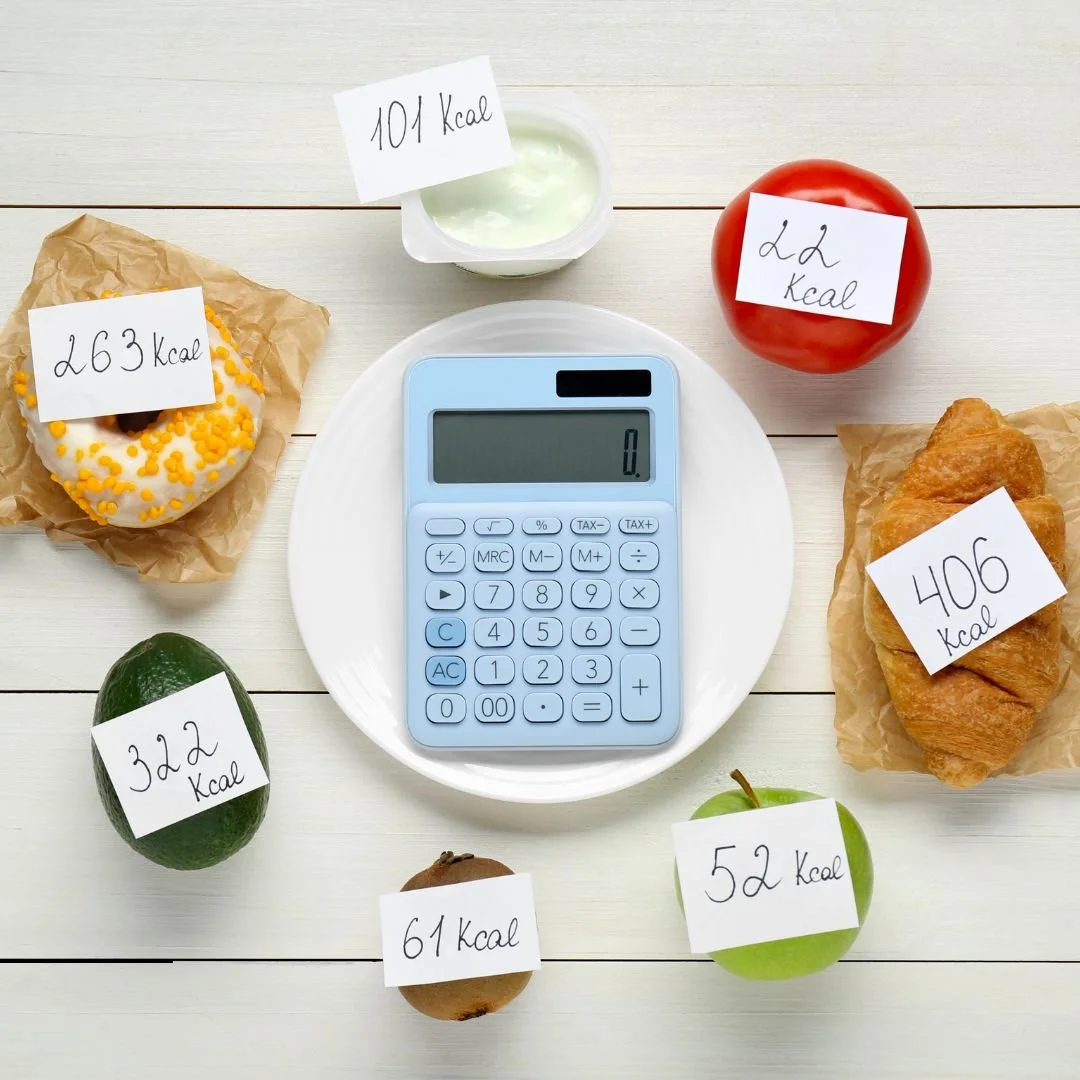
Food labels use average values based on databases and lab testing. For example, a medium apple is often said to have about 80 calories. That number is based on the average calorie content of many apples, but it’s not precise.
Grab four apples from the same tree; their calorie content could range from 70 to 95 calories each. That’s normal. Real food isn’t standardized like a packaged product.
Low Energy? Here’s What It Could Mean
If you’re feeling “low energy,” it could be due to lack of sleep, stress, illness, or simply not eating enough. That mid-afternoon slump? Sometimes it’s your body asking for fuel. A well-balanced snack can go a long way in boosting energy levels.
And energy drinks that have no calories? They’re better labeled as stimulant drinks, not energy drinks. If they don’t contain calories, they can’t give you energy; they make you feel more alert from caffeine and other stimulant ingredients.
The Bottom Line
Calories are simply a way of measuring energy. Carbohydrates, protein, fat, and alcohol provide this energy; our bodies rely on these sources daily. Understanding where your energy comes from is foundational to making nutrition work in the real world.
Real World Nutrition Refreshed: I am revitalizing and updating my archive of blogs and re-publishing them. Stay tuned as I review, update, refresh, and re-share these posts to provide you with even more valuable information on nutrition, health, and overall wellness—and keep things timely. A portion of this blog was initially posted on August 23, 2022, and is updated here.