Chicken Labels: What You Need to Know
Chicken Labels: What You Need to Know
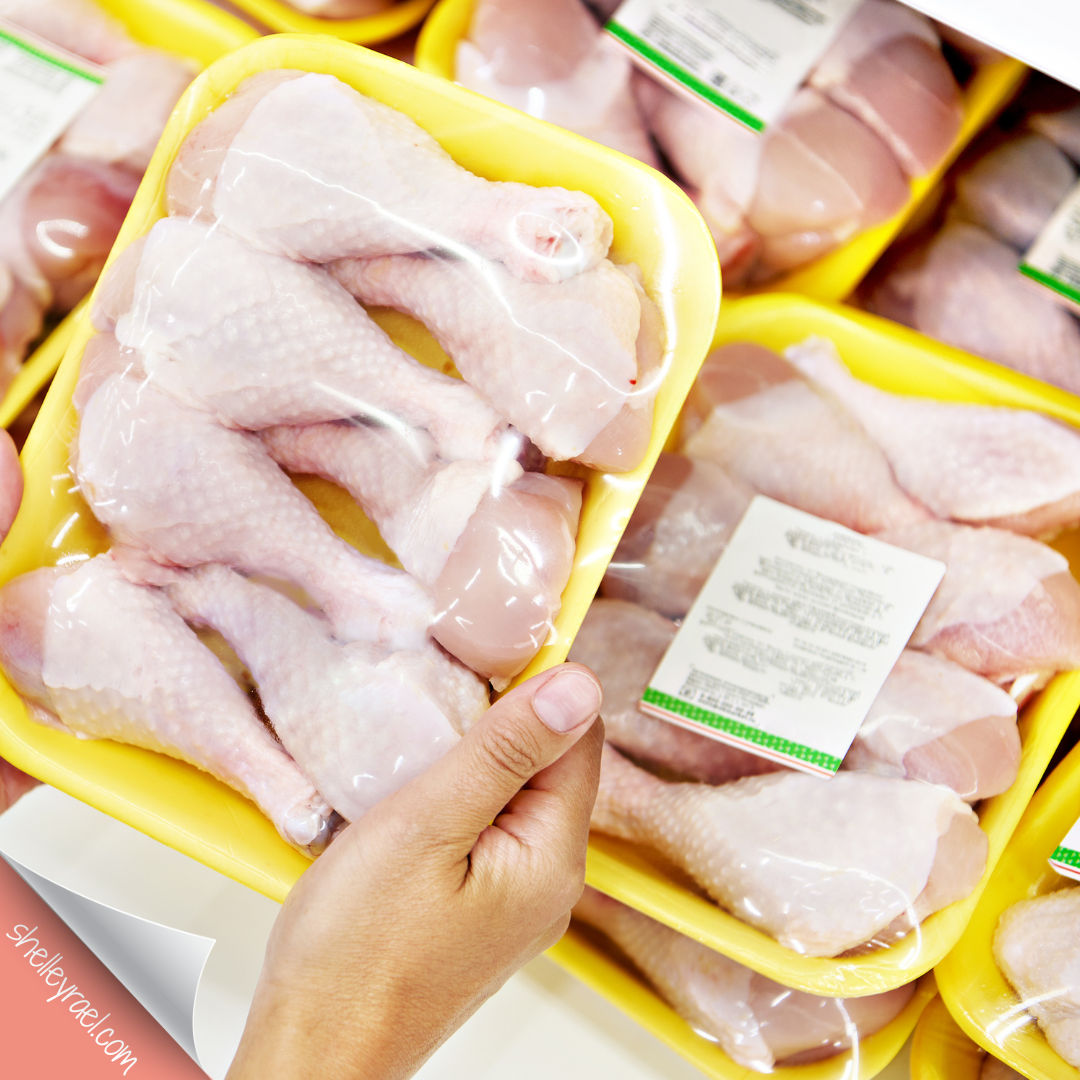
If you’ve ever stood in the grocery store trying to pick chicken, you’ve probably noticed the long list of claims on the packages. “All natural.” “No hormones.” “Free-range.” “Vegetarian-fed.” “No antibiotics.” It’s a lot to take in.
The problem? Most of these labels are technically true but still misleading.
Here’s an example of what that means.
If I say, “My husband and I went to MIT and Harvard,” it sounds impressive. It’s also true. We visited the campuses in Cambridge, Massachusetts, while traveling. We didn’t attend or enroll at either school. So yes, we went to MIT and Harvard, but not in the way most people would assume.
That’s what many chicken labels are like. The words might be accurate, but they can lead you to believe something that isn’t true.
Minimally Processed
“Minimally processed” simply means the chicken was handled in a way that didn’t fundamentally change it.
Personally, I want my chicken processed. That means removing feathers, the head, and the internal organs. I’m fine with that. Boneless and skinless options? Even better. Those are still considered minimally processed.
What this term really means is that the chicken hasn’t been altered with marinades, flavoring, or saline solutions. It’s just chicken, plain and simple.
Natural Chicken
This is one of the most overused and meaningless food labels out there.
According to the FDA, “natural” means nothing artificial or synthetic (including color additives) has been added to the food that wouldn’t usually be there. That’s it.
So yes, “natural chicken” might contain added flavorings or a saline solution, as long as those ingredients are considered natural.
Bottom line: this term doesn’t tell you anything meaningful. Ignore it.
No Hormones or Steroids
This one drives me crazy. You’ll often see “No Added Hormones” on chicken packaging, followed by a tiny asterisk that says:
Federal regulations prohibit the use of hormones in poultry.
Translation: No chicken, from any brand, has added hormones. None. It’s illegal. Chickens naturally have hormones because they’re living animals. So the label is technically true but completely unnecessary.
The same goes for “no steroids.” Steroids are hormones, so it’s redundant.
And if you’re wondering why chickens are larger now than decades ago, it’s due to selective breeding, not hormone injections. Farmers breed chickens for size and growth rate. That’s it.
No Antibiotics
This one sounds great, but again, it’s often misunderstood.
If a chicken gets sick, it can legally be treated with antibiotics. However, that chicken cannot be processed for food until it’s clear of antibiotic residues. It’s the law.
So when you see “no antibiotics ever,” it doesn’t mean the others are full of them. It just means the producer chose not to treat sick birds with antibiotics, even if it might have helped them recover.
Cage-Free and Free-Range
These terms are often confused and misused.
Cage-free chickens aren’t in cages, but that doesn’t mean they have wide open spaces. They can still be in crowded barns.
Free-range chickens must have some access to the outdoors, but that doesn’t mean they live a happy, open-air life. Sometimes it’s a small door to a fenced patch of dirt. And, much like humans, they may choose to rarely go out.
Cages can actually protect birds from predators like hawks, coyotes, and even dogs. Free-range birds face greater environmental risks, and what they eat is harder to control.
So while the terms sound good, they don’t guarantee better animal welfare or better quality meat.
Vegetarian-Fed
This one is just odd. Chickens are not vegetarians. They’re omnivores. They naturally eat bugs, worms, and sometimes even small rodents. And, like it or not, other chickens…
A “vegetarian-fed” label means the chickens were fed a plant-based diet, usually corn and soy. That’s fine, but it also means they likely weren’t roaming outside, where they’d naturally eat insects.
Non-GMO
Here’s the truth: chickens themselves are not genetically modified. Period.
When a package says “non-GMO chicken,” it’s referring to the chicken’s feed. Some chickens are fed a diet made from non-GMO grains like corn or soy. If that’s important to you, fine—but it doesn’t change the nutritional value or safety of the chicken itself. And even if a chicken was eating GMO feed, that doesn’t change anything in the part we consume. That would suggest that if humans ate anything GMO, then we are now somehow genetically modified? Not how it works.
Gluten-Free
This one makes me laugh. Chickens don’t contain gluten. Even if they eat grains like wheat or barley, gluten doesn’t somehow transfer into their meat.
It’s the same logic as thinking that if a chicken eats a worm, then the meat contains worm. That’s not how biology works. So “gluten-free chicken” is completely irrelevant, even for people with celiac disease or non-celiac gluten sensitivities.
What To Know
Most chicken labels are designed to make you feel like you’re buying something healthier, cleaner, or more ethical. In reality, many of them are marketing strategies that twist technical truths.
Here’s what actually matters:
Buy chicken that’s handled safely and cooked properly.
Understand what labels really mean.
Don’t pay extra for meaningless claims like “natural,” “gluten-free,” or “no hormones.”
If you want to support certain practices like non-GMO feed or antibiotic-free farming, that’s your choice. But don’t let marketing trick you into thinking the other options are unsafe or inferior.
When it comes to chicken, the facts, not the labels, should guide your choices.
Real World Nutrition Refreshed: I am revitalizing and updating my blog archive and re-publishing it. Stay tuned as I review, update, refresh, and re-share these posts to provide you with even more valuable information on nutrition, health, and overall wellness—and keep things timely. A portion of this blog was initially posted on May 17, 2022, and has been updated here.