Does Clean Eating Actually Mean Anything?
Does Clean Eating Actually Mean Anything?
I hear people use the term “clean eating” a lot, often like it’s the gold standard of health. It’s tossed around in conversation as if everyone should know what it means. The first time I encountered it was years ago in a women’s fitness magazine. It popped up in multiple articles and meal plans, and I thought, “Did I miss something?”
Even with my background in health and nutrition—and having been one of just four girls in my high school weightlifting class—I’d never been part of the obsessive fitness or bodybuilding community. And this is the community in which I hear this term most, though not exclusively. Like with many things, it has seeped into everyday culture.
Now, I value my health and fitness, but I also value a balanced approach. I have a job, a family, and I like my sleep.
As I began digging into the concept, I realized that “clean eating” didn’t have a universally accepted definition. It seemed to mean different things to different people, much like being vegetarian can vary by personal interpretation.
While there is now a “dictionary definition” on what it means: the practice of eating primarily unprocessed and unrefined foods, but I find people can take it to the extreme, not just “primarily” unprocessed and unrefined foods, but exclusively, and with judgment if it isn’t an unprocessed and unrefined food.
The fluidity of the term, again, like being vegetarian, leaves the door wide open for confusion, judgment, and unnecessary restrictions. There is a consensus on the meaning; however, I have never used this term to describe my approach to eating, even though, by this definition, I do eat this way. When I tell people I don’t “eat clean,” I have never labeled my eating habits in any specific way. I eat. It seems like there is judgment that a dietitian doesn’t follow a “clean diet.” I primarily choose minimally processed foods (let’s face it, all foods are processed – someone picked or harvested them, and thank goodness someone processed that meat for me).
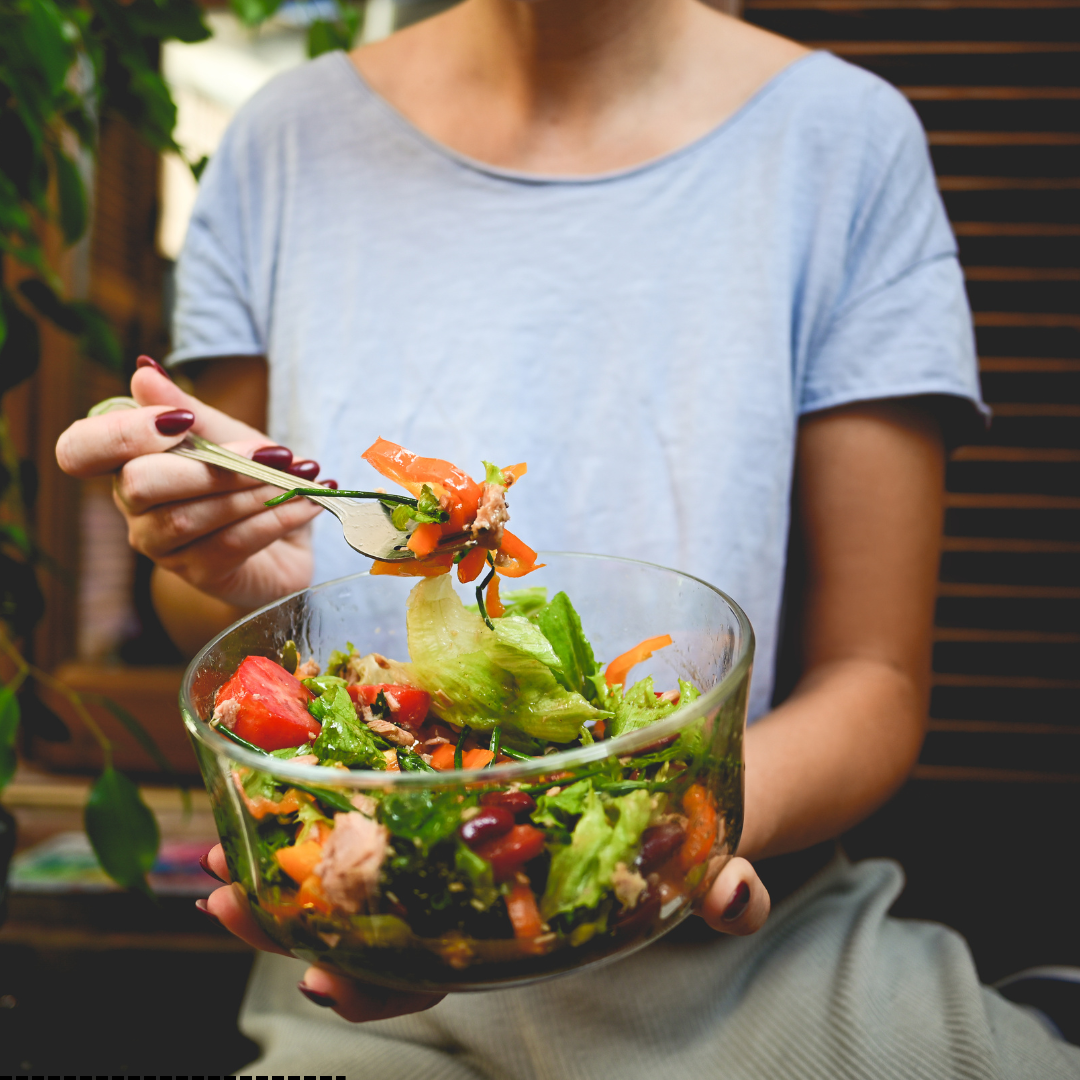
When people use this label, and I’ve asked what they mean by “clean eating,” I’ve often gotten a list of “nos”:
No sugar
No gluten
No wheat
No potatoes, rice, or pasta
No fruit
No dairy
No caffeine
Basically… no, no, no.
And my immediate thought is, “So, what do you eat?” It’s even more questionable if they also claim to be vegan. Seriously, what is left? Vegetables – and we could all benefit from more veggies.
This long list of restrictions doesn’t guarantee better health, and it certainly doesn’t make someone morally superior. It also sets up a dangerous mindset where eating a so-called “unclean” food can trigger guilt or a sense of failure.
Here’s the thing: people can be perfectly healthy without following a “clean eating” plan. Good health isn’t determined by how perfectly you avoid certain foods—it’s about the bigger picture of what you eat consistently over time. If I have mostly minimally processed and refined foods, what is the big deal? It isn’t 100% of the time.
Evidence-based wellness and nutrition support variety, balance, and flexibility. Yes, it’s wise to limit highly processed foods that are full of added sugars, sodium, and unhealthy fats. I do endorse that. However, enjoying a slice of birthday cake, eating pasta, or having a burger now and then is unlikely to undo your health goals. It just won’t. No matter what people may think or portray.
The problem with fear-based terms like “clean eating” is that they make food a moral issue. If you’re “clean,” that implies other people are “dirty” for eating differently. That’s not only untrue, it’s harmful. Food isn’t clean or dirty. It’s food.
A balanced approach focuses on what you can add, not just what you cut out. Include vegetables, fruits, whole grains, lean proteins, and healthy fats most of the time. Move your body in ways you enjoy. Get enough sleep. Manage stress. These habits matter far more than whether you avoided a slice of bread or had a spoonful of sugar and half and half in your coffee.
The truth? We can eat without guilt when we stop labeling foods as good or bad, clean or dirty. We can aim for variety and moderation instead of strict, fear-based rules. And most importantly, we can recognize that health is built over time, not in a single meal or by avoiding a handful of ingredients.
So next time you hear someone talk about clean eating, remember—there’s no magic list of “yes” or “no” foods that defines your health. There’s just you, your habits, and what works for your body and your life.