Are These Foods Healthy?
Are These Foods Healthy?
With so many food products marketed as healthy, it’s easy to get fooled by clever packaging, trendy buzzwords, or a reputation that doesn’t match reality. Some of these foods are perfectly fine to eat, but they might not deliver what you think they do.
Here are five foods that often get more credit than they deserve.
Almond Milk and Other Plant-Based Milks
People skip cow’s milk for many reasons: dairy allergies, lactose intolerance, or a preference for plant-based eating. The grocery aisle is full of options now — almond, cashew, oat, coconut, hemp, pea protein, soy, and more.
The problem? Most plant milks (except soy milk and pea-protein milk) fall far short in protein compared to cow’s milk. An 8-ounce glass of cow’s milk or soy milk has about 8 grams of protein. Almond milk? Usually 1 gram or less.
And while some are fortified with calcium and vitamin D, the ingredient list can be long, with added sugars in flavored versions. If you choose plant milk, great —know it’s not automatically a nutritional equivalent to dairy or soy milk.
I love chocolate almond milk in a smoothie, but I don’t pretend it’s the same thing as drinking milk for protein.
Reduced-Fat Peanut Butter
Peanut butter is one of my favorite foods. But reduced-fat peanut butter? That’s marketing at work.
Yes, the fat goes down — from about 16 grams in regular peanut butter to 12 grams in the reduced-fat version — but sugar and sodium go up. Calories? Pretty much the same.
For example, reduced-fat peanut butter can have almost twice the carbs, more added sugar, and 50 mg more sodium than regular peanut butter. This is a perfect example of the “fat down, sugar up” trade-off that happens with many reduced-fat products.
If you love peanut butter, stick with the regular kind, ideally one that contains peanuts and perhaps a hint of salt.
Veggie “Straws” or “Chips”
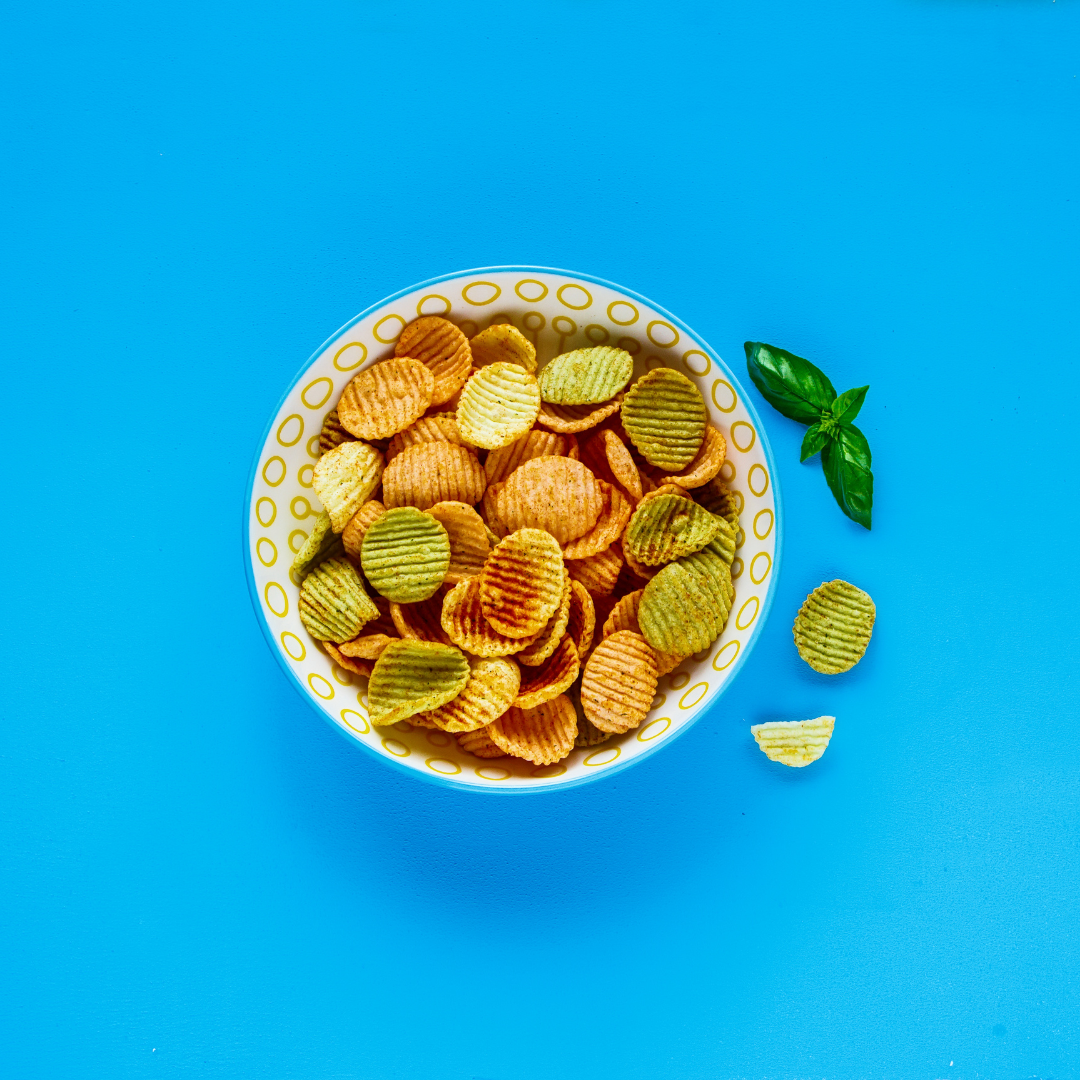
The marketing is smart: green packaging, bright colors, pictures of spinach and tomatoes. But flip the bag over and you’ll see these snacks are basically potato chips in disguise.
The first ingredients are usually potato starch and potato flour. The vegetable powders for color — spinach, tomato, beet — are way down the list. Nutritionally, they’re almost identical to regular chips: similar calories and carbs, just a little less fat and a little more sodium.
They’re still chips. Enjoy them if you like them, but don’t kid yourself that they’re a serving of vegetables.
Nutella
For some people this is obvious, but I still meet folks who think Nutella is a protein food, like peanut butter. It’s not.
Nutella is mostly sugar and palm oil, with a little hazelnut, cocoa, and milk powder. One tablespoon has almost 5 grams of fat, less than 1 gram of protein, and most of its carbs come from added sugar.
It’s a spread, not a health food. If you love it, enjoy it like you would honey or jam — as an occasional treat, not a source of nutrition.
Fast Food Salads
Salads sound healthy, but depending on what’s in them, they can be as high in calories as a burger and fries.
For example, a Cobb Salad at a fast food chain can top 800 calories, especially with fried chicken, cheese, bacon, and creamy dressing. A grilled chicken sandwich and small fries might actually be lower.
The point isn’t to avoid salads — I order them often — but to know that dressings, cheese, bacon, croutons, and fried proteins can turn a “light” option into a heavy one. If you want the salad, order it. If you want the burger, order it. Just know what you’re getting.
Bonus: Plant-Based Meats
Many assume they’re healthier than beef. Sometimes they are, sometimes they’re not. Many plant-based burgers have long ingredient lists, high sodium, and similar calories and fat to a regular beef burger. If you compare them to lean beef, they’re not automatically better — they’re just different.
Bottom line: Marketing can make a food seem healthier than it is. None of these foods are “bad,” but they’re not magic health foods either. Choose what you like, read the labels, and make sure it fits your overall eating pattern.
Real World Nutrition Refreshed: I am revitalizing and updating my blog archive and re-publishing it. Stay tuned as I review, update, refresh, and re-share these posts to provide you with even more valuable information on nutrition, health, and overall wellness—and keep things timely. A portion of this blog was initially posted on March 15, 2022, and is updated here.