What Happens to Food When You Cook It? A Guide to Different Cooking Methods
A common question in nutrition is whether cooking food “destroys” nutrients.
The short answer is that cooking can change nutrients.
The longer answer is that those changes are not always negative, and they do not automatically make food less healthy.
Just like freezing, cooking is not a simple good-or-bad situation. It depends on the method, the food, and the overall diet. Of course.
How Cooking Affects Nutrients
Heat, water, and time all influence how nutrients change during cooking.
Some vitamins are more sensitive than others, especially water-soluble vitamins such as vitamin C and certain B vitamins.
These nutrients can be reduced with:
High heat
Long cooking times
Cooking methods that involve water, such as boiling
For example, the vitamin C in broccoli may decrease when it is boiled.
But there is an important thing here to put that loss of vitamin C into context.
Broccoli is not the only source of vitamin C in the diet. In fact, for most people, it isn’t even the primary or main source. Learning that broccoli is a source of vitamin C often surprises people. But what is important is that if fruits and vegetables are consumed regularly, the loss of vitamin C when boiling broccoli is unlikely to be meaningful overall.
At the same time, cooking can improve the availability of some nutrients.
Minerals such as calcium, iron, and zinc are generally heat-stable and can become more accessible, more bioavailable, or more absorbable as food structures break down during cooking.
Cooking can also improve the digestibility and absorption of certain foods.
So while some nutrients decrease, others become easier for our bodies to use.
Why Cooking Still Matters – It is Still Important
We cook food for many reasons. Cooking is not just about nutrients, but also about other aspects of eating and human health.
Cooking food plays an important role in:
Food safety
Digestibility
Flavor and enjoyment
Many foods need to be cooked to be safe.
This includes:
Poultry, meat, and seafood
Eggs
Foods that may contain harmful bacteria if not heated properly
Cooking also helps reduce naturally occurring compounds in some foods that can interfere with nutrient absorption. Cooking can just make food edible. With certain foods, we can’t even think of eating them without cooking them.
For example:
Beans and legumes are not edible when uncooked.
Grains are generally not edible in their raw form
So while nutrient changes do occur, cooking often makes food safer, more usable, and even edible.
Cooking Methods and What They Do
Different cooking methods affect food in different ways. Here is a rundown of various cooking methods, the benefits, and considerations.
Roasting
Roasting uses dry heat, typically in an oven.
It is often used for vegetables, meats, and potatoes.
Benefits:
Enhances flavor through browning
Maintains texture
Does not involve water, so fewer water-soluble nutrients are lost
Considerations:
High heat over long periods can reduce some heat-sensitive vitamins
Baking
Baking is similar to roasting but is often used for foods like casseroles, breads, and desserts.
Benefits:
Even cooking
Good for mixed dishes
Considerations:
Nutrient changes depend on the ingredients and cooking time
Air Frying
Air frying circulates hot air to cook food with less oil than traditional frying.
Benefits:
Can create a crispy texture with less added fat
Shorter cooking times, which can mean less nutrient breakdown
Considerations:
Similar nutrient changes to other dry heat methods
Pan Frying
Pan frying uses oil and moderate to high heat.
Benefits:
Enhances flavor
Can improve absorption of fat-soluble vitamins
Considerations:
Adds extra fat and calories
High heat may reduce some nutrients
Sautéing
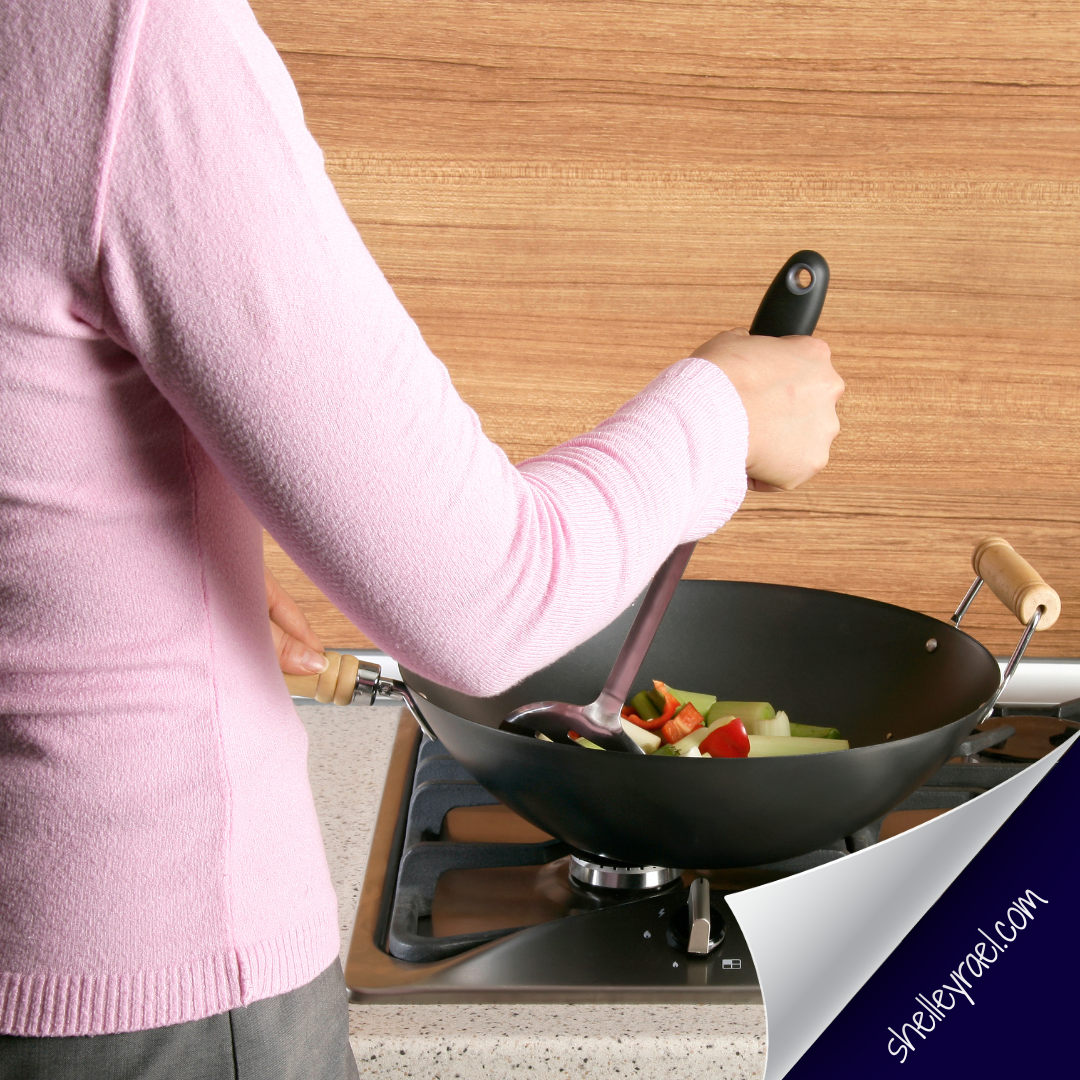
Sautéing uses a small amount of oil and a relatively short cooking time.
Benefits:
Quick cooking helps preserve some nutrients
Enhances flavor
Considerations:
Still involves heat, so some losses occur
What Is the Healthiest Way to Cook Vegetables?
There is no single “best” method. It depends on the vegetable and what you enjoy eating.
Methods that use less water and shorter cooking times, like steaming, sautéing, and microwaving, tend to preserve more nutrients.
Roasting and grilling can enhance flavor, which may help you eat more vegetables overall.
Boiling can lead to some nutrient loss, but using the cooking liquid, like in soups, helps retain those nutrients.
The most important factor is consistency. Eating vegetables regularly matters more than how they are cooked.
Boiling
Boiling involves cooking food in water.
Benefits:
Simple and effective
Useful for grains, pasta, and some vegetables
Considerations:
Water-soluble vitamins can leach into the cooking water
Using the cooking liquid, such as in soups, can help retain those nutrients
Steaming
Steaming cooks food using, well, steam rather than submerging it in water.
Benefits:
Helps preserve water-soluble vitamins better than boiling
Maintains texture and color
Considerations:
Still involves heat, so some nutrient loss can occur
Grilling
Grilling uses direct heat, often at higher temperatures.
Benefits:
Often adds a distinct flavor
Quick cooking time
Considerations:
High heat can reduce some nutrients
Charring should be minimized
Microwaving
Microwaving uses electromagnetic waves to heat food quickly. Contrary to popular lore, it is not really “nuking” the food.
Benefits:
Short cooking time helps preserve nutrients
Minimal water use
Considerations:
Often misunderstood, but nutritionally, it is comparable to or sometimes better than other methods in which there is higher nutrient loss (such as boiling)
So, Are Nutrient Losses Significant?
This is where the bigger picture matters. I’ve said it before, the patterns, not a single food, or in this case, a single cooking method.
Yes, some nutrients are reduced with cooking.
But that does not mean the food has no nutritional value.
And it does not mean cooking should be avoided.
Most people eat a variety of foods throughout the day and week.
That variety helps balance out any nutrient changes from cooking.
It is also worth noting that some foods are simply not eaten raw – at least we strongly discourage consuming them raw.
Grains, beans, and many protein foods require cooking to be edible and safe.
What To Know
Cooking changes nutrients, but not in a way that makes food “bad”
Some nutrients decrease, while others become more available or absorbable
Cooking improves safety, digestibility, and flavor
Different cooking methods have different effects, but none need to be avoided completely
A varied diet helps ensure nutrient needs are met
The Short Answer
Cooking is part of making food safe, enjoyable, and practical to eat.
While some nutrient changes occur, they are usually not significant enough to outweigh the benefits.
Focusing on variety, balance, and consistency is more important than worrying about small nutrient differences between cooking methods.