
Five Foods Always in My Pantry
The pantry is often an overlooked part of the kitchen, but it is where some of the most reliable and versatile foods live. The idea that we shouldn’t eat packaged or “processed” foods makes pantry items seem like the least healthy choices when considering the fridge and freezer. This is far from accurate.
Yes, it holds baking supplies, as well as spices and specialty ingredients.
But then there are the foods used regularly, even daily, and when they run low or run out, those items are on the list for the next grocery run. These foods can and do fit into a balanced eating plan.
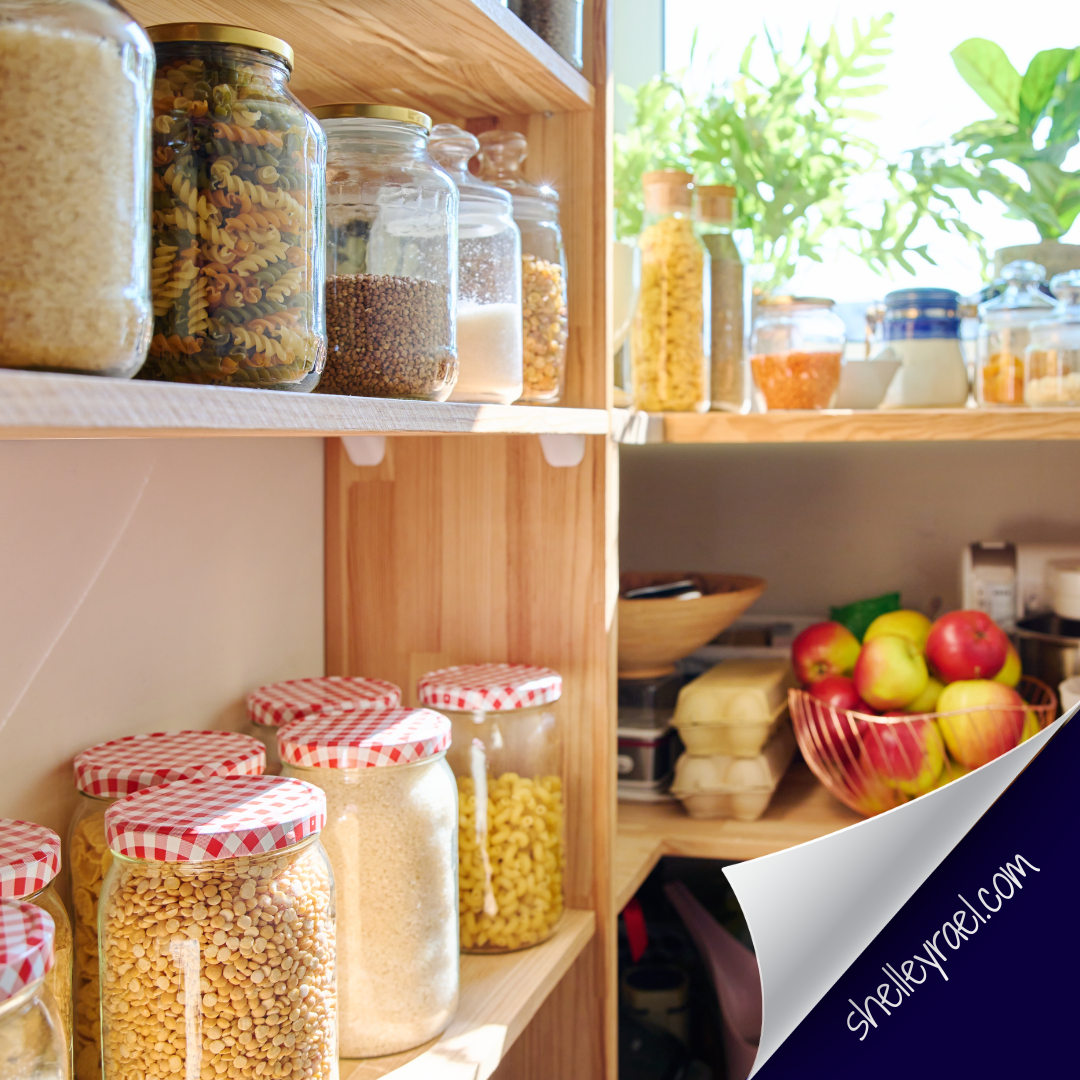
This is the third part of a mini-series looking at what is always in my kitchen, following what is in my fridge and freezer. These pantry staples are useful and flexible, helping make balanced meals and snacks without requiring much planning.
Here are five foods you will always find in my pantry.
Peanut Butter
Peanut butter is non-negotiable.
It has been a staple for years, and that has not changed. It is one of those foods that works as a quick snack, an ingredient, or even part of a meal when needed.
Sometimes it is as simple as a spoonful between meals. Yes, simply a spoon. I was once asked what my favorite way to eat peanut butter was, and that was my answer: “a spoon.” Other times, it is spread on crackers, mixed into oatmeal, eaten with apples or bananas, or added to a smoothie for extra protein and flavor.
It also works in savory dishes, such as sauces and grain bowls, which shows its versatility and potential for everyday use.
From a nutrition standpoint, peanut butter provides a combination of protein, healthy fats, and some fiber. It is satisfying, easy to keep on hand, and doesn’t spoil (not that I keep it long enough to have concerns), which makes it one of the most practical pantry staples. In fact, I say that if there is only one food to buy on a budget or to have on hand in a pinch, peanut butter is it.
Oats
Oats are another constant.
Not steel-cut oats or anything fancy. Just the large container of rolled oats that lasts a while and can be used in multiple ways. I don’t remember if it’s 5 minutes, 10 minutes, or what; I don’t pay attention.
They are one of the most flexible pantry foods. They can be blended into smoothies (uncooked), made into overnight oats, cooked hot, or used in baking.
What Should Always Be in a Pantry?
Versatile staples that can be used in multiple meals, like grains, beans, or nut butters
Protein options such as canned beans, lentils, nuts, seeds, or convenient additions like protein powder
Flavor builders, including oils, vinegars, herbs, spices, and basic condiments
Long-lasting foods that don’t spoil quickly and can be used when fresh options are limited
Items you will actually use based on your preferences, cooking habits, and routine
What is always in your pantry may differ from others. Make it one that works for you and makes meals easier.
A common routine is to prep a few jars at a time with oats, nuts, seeds, and dried fruit, then place them back in the pantry. From there, it’s a grab-and-go in various directions depending on the day or the season. They can be prepped as overnight oats, cooked, or even just add the milk in the morning; an hour or two later, it is just fine. Even with the prep ahead, when it is time to eat, adding fresh fruit, Greek yogurt, or other fresh additions works.
Oats provide fiber, including beta-glucan, which is associated with heart health. They also contribute to satiety, making them a practical option for breakfast or snacks.
Canned Beans
There are always at least a couple of types of canned beans in the pantry.
Most often, that includes black beans, pinto beans, or chickpeas. And white beans. And cannellini. The specific types may vary, but the purpose is always the same.
They are an easy way to add plant-based protein and fiber to meals without much preparation.
Canned beans can go into salads, soups, and grain bowls, or serve as a base for simple meals. They can also be mashed, roasted, or blended, depending on the recipe. Really, there are so many possibilities.
Yes, canned beans are perfectly fine to use. Draining and rinsing can reduce sodium, even when using lower-sodium options.
Beans are convenient, affordable, and nutritionally valuable, making them a staple in my pantry.
Yes, dried beans are also a great option, but truthfully, I am more likely to use canned beans than to plan ahead to cook dried beans. If you have a pressure cooker, then you can totally go with the dried beans. I just don’t have one of those. Beans are one of the most budget-friendly protein options available.
Nuts
Nuts are always in the pantry, although the type may change.
Sometimes it is almonds or walnuts. Other times it is mixed nuts, pecans, or peanuts. There is usually more than one option available.
They serve two main purposes.
First, they are an easy snack. A handful can provide a combination of protein, healthy fats, and fiber that helps with satiety. More recently, I’ve just gone with the bag of mixed nuts and the container of peanuts. But like peanut butter, it’s a super quick snack when you’ve got little time and no need for dishes or utensils.
Second, they are used in meals. The unsalted nuts can be added to oatmeal, salads, yogurt, and even some savory dishes.
Nuts are one of those foods that require little effort but add both nutrition and texture to meals. (Note, when I have a big bag of nuts, such as walnuts that I may not go through in a few months, they get transferred to the freezer for longer-term storage.)
Whey Protein
This is one of the more recent updates to the pantry.
Where there used to be Carnation Breakfast Essentials (or Carnation Instant Breakfast, as it was called when some of us grew up), there is now whey protein. The purpose is similar. It is a convenient way to help meet protein needs.
It is not used every day, but it is consistently available.
It often gets added to smoothies, especially on days when protein intake might otherwise fall short. It can also be used after workouts or when a quick option is needed.
Protein powders fall into the supplement category, so they are not meant to replace whole foods. However, they can be a practical addition when used appropriately.
Having it available adds flexibility without requiring a complete shift in eating habits.
Even though I am a fan of chocolate, I get vanilla, since that flavor is more versatile as an ingredient in food. For example, if we want to add some protein powder to pancakes, the vanilla just makes more sense.
Why These Foods Matter
These pantry staples are what are always in my pantry. This doesn't mean yours needs them.
It is just to get an idea of what is in there and what I use consistently.
Each of these foods can be used in multiple ways, combined with other ingredients, and adapted based on what is available in the fridge or freezer.
They also make it easy to have balanced eating patterns by providing protein, fiber, and healthy fats.
And, most importantly, they make it easier to put together meals without overthinking.
What About Everything Else?
There are plenty of other items in the pantry.
Coffee is there. It is used daily, so it almost goes without saying.
There are also canned fish, grains such as rice and quinoa, pasta, ready-to-eat cereal, and a variety of spices and condiments.
But those are not always replaced immediately when they run out. The five foods listed here are.
Why I Share This
A well-stocked pantry does not need to be complicated or overwhelming.
It just needs to be functional – meaning it works for your daily and weekly needs.
Having a few reliable staples makes it easier to prepare meals, make snacks, and adapt to whatever the week brings.
These are the foods that consistently support that.
Real World Nutrition Refreshed: I am revitalizing and updating my blog archive and re-publishing it. Stay tuned as I review, update, refresh, and re-share these posts to provide you with even more valuable information on nutrition, health, and overall wellness—and keep things timely. A portion of this blog was initially posted in July 2022 and has been updated here.