
The Truth About Diet Trends
The Truth About Diet Trends
Diets are not new. People have been chasing the ultimate weight loss solution for well over a century. And while today’s social media might make it seem like diet culture is a modern phenomenon, it is not. Radium was once marketed as a weight loss aid. People who tried it did lose weight. They also lost their teeth, parts of their jaw, and in many cases, their lives. Extreme weight loss methods are not a new phenomenon.
And while radium is no longer included in the mix because we now know how absurdly dangerous it is, there are plenty of other questionable diet trends. Some of them stick around, others fade away, and every so often, one or more make a comeback. Just as fashion trends cycle through decades, it seems that diet trends follow a similar pattern. But the truth is, almost all of them follow the same pattern: restriction, quick results, and then rebound when real life sets in, whether it be the holidays, vacation, or just wanting to join someone for lunch without feeling like you cannot eat anything on the menu. I have literally had lunch and coffee with people who are in the throes of their latest restrictive diet or detox. It is not fun, because they can’t have anything on the menu, but they talk ad nauseam about their restrictive diet or detox.
With that in mind, I'm reviewing some of the most popular diet trends over the years, their meanings, and why they often fail to hold up in the long term. If one isn’t on the list? It probably will still fall into one of these categories.
Pills, Stimulants, and Quick Fixes
In the past, diet pills, cigarettes, caffeine, and even amphetamines were sold as weight loss aids. The idea was simple: suppress appetite, increase metabolism, and the pounds will come off. And in many cases, they did. But the side effects were extreme, ranging from anxiety and insomnia to addiction and severe health problems, including death. In the case of amphetamines, the risks far outweighed any “benefits,” and ephedra was banned in the U.S. since 2004.
These types of shortcuts show how far people will go in the pursuit of weight loss, even if it means sacrificing their health in the process.
The Restrictive Fads
Think grapefruit diet, cabbage soup diet, hot dog diet, or the master cleanse. These are highly restrictive diets that center on one or two foods for a time, from days to weeks, sometimes with a twist, such as lemon juice and cayenne pepper. They all work in the sense that people will lose weight quickly. However, that weight loss primarily comes from water, glycogen, and muscle, rather than sustainable fat loss. Yes, they do promote weight loss, but also starvation.
They are not realistic, and no one can live indefinitely on cabbage soup without serious nutrient deficiencies, which can result in malnutrition. Yet, these diets keep resurfacing because they promise fast results.
Low-Fat, Low-Carb, and Low-Calorie Diets
In the 1980s and 1990s, fat was the enemy. Everything came in a “fat-free” version, from cookies to salad dressing. But cutting fat often meant adding sugar, leaving people unsatisfied and often hungrier and blaming sugar for their woes. Never mind that people also thought fat-free meant calorie-free. It doesn’t. Coca-Cola is fat-free, but still has calories.
So then the pendulum swung to the opposite side. Low-carb diets, such as the Atkins diet (originating in the 1970s but gaining popularity again in the 1990s), were replaced by the paleo and keto diets, becoming the latest trends. Instead of demonizing fat, carbs took the blame for weight gain. While some people find short-term success, cutting out entire food groups is rarely sustainable. And, not to mention that carbs are in all foods of plant origin.
Low-calorie diets fall into the same trap. Drastically cutting calories to 800 – 1,000 calories a day can lead to weight loss, but it also slows metabolism when done long-term, making it harder to keep weight off once “normal eating” resumes.
The Counting Diets
Counting calories, macros, or points all fall into this category. These approaches can teach awareness of what’s being eaten (I sometimes recommend it in the short term), but they can also become obsessive. Some people find success with structure, but others burn out when eating becomes a chore, rather than a natural part of daily life.
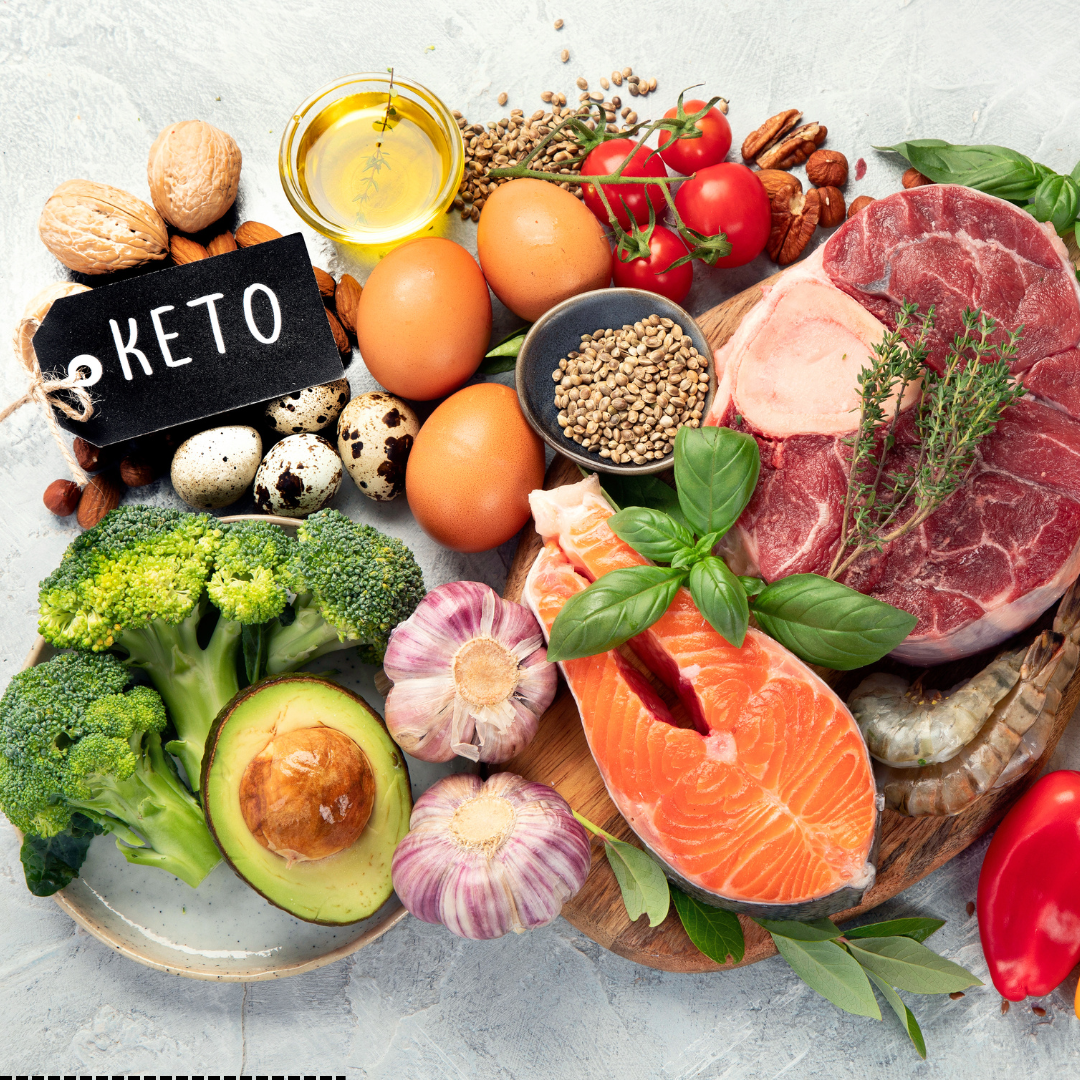
Atkins, Paleo, Keto, and Carnivore
As already mentioned, Atkins was the original low-carb heavyweight, paving the way for diets like Paleo, Keto, and eventually Carnivore. These diets often have strict rules, though many people modify them to fit their lifestyle. Some go all-in every day, while others do it part-time. (I’ve had people tell me they “eat keto” one or two days out of the week, but that’s not how ketosis works – it takes days to get into ketosis, and going above a specific carbohydrate threshold that is very low takes one out of ketosis and then days to get back into ketosis.)
Do they “work”? Of course, because they create a calorie deficit and restrict certain foods. But long-term, they can be socially isolating, nutritionally unbalanced, and very hard to maintain. And sometimes constipation is the deal killer. Colon cancer, anyone?
Zone, Whole30, and Blood Type Diets
Some diets may not stay in the spotlight, but they never entirely disappear. The Zone diet was popular in the 90s, Whole30 gained traction in the 2010s, and the Blood Type Diet is reportedly making a comeback. And, Whole30, for example, is often repeated once a year as a “reset.”
The problem is that none of these approaches is backed by strong science. And the Blood Type Diet, despite its catchy hook, doesn’t hold up under scrutiny. There is zero evidence that your blood type dictates an optimal way of eating. In my home, one would have to eat pretty much vegetarian, and the other high in meats. Not happening, because the science doesn’t support it.
DASH, MIND, Mediterranean, and Plant-Based
Not all diets are designed for weight loss, although some people may attempt to make them that way. Some, like DASH and MIND, were created for specific health goals like lowering blood pressure or protecting brain health. The Mediterranean diet and vegetarian or plant-based approaches are based on cultural eating patterns and personal preferences. And, they are high in plants, which is always a good thing.
These diets are less about restriction and more about balance. They emphasize whole foods, variety, and flexibility, which is why they tend to support long-term health more than any fad diet. And, they are often at the top of the list of “best” diets with good reason.
The Bottom Line
Here’s the truth: diets do work, but only while you’re on them. Almost any restrictive plan will lead to weight loss because it limits calorie intake through various gimmicks or angles. However, when the diet ends, the weight usually returns.
Instead of chasing the next trend, focus on the basics. A modest calorie deficit, patience, and sustainable habits are key to achieving a healthy weight and optimal health. Build meals around fruits, vegetables, lean proteins, whole grains, and dairy or alternatives. I’ve never told anyone they eat too many fruits or vegetables.
Weight management isn’t about cabbage soup, keto, or cutting carbs forever. It’s about striking a balance, maintaining consistency, and making choices you can live with for the long term.