
Food Fear: Why Demonizing Food Does More Harm Than Good?
Food fear might sound silly at first. Who is afraid of food? But spend any amount of time online or even chatting with friends and it’s clear this is real. There’s a long and growing list of foods people believe they should avoid or fear because of what they think will happen if they eat them.
Sugar in soda will cause diabetes. Artificial sweeteners in diet sodas are poison. Red meat causes cancer. Carbs make you gain weight. Fruit and starchy vegetables are “too much sugar.” Seed oils are toxic, but beef tallow and coconut oil are good. If you don’t buy organic foods from the “dirty dozen” list, you’re harming your health.
That’s a lot of fear for everyday foods that people have been eating for decades, even centuries. So let’s step back and look at what food fear really is and why it doesn’t match up with reality.
What Is Food Fear?
Food fear is the idea that one single food or drink can trigger disease or long-term harm. People believe that if they eat or drink a certain item, they’re putting themselves at direct risk. This fear is fueled by headlines, social media, and the wellness industry. It’s also reinforced by the fact that nutrition science is complex and continually evolving, making it easier to blame a single food than to consider the broader picture.
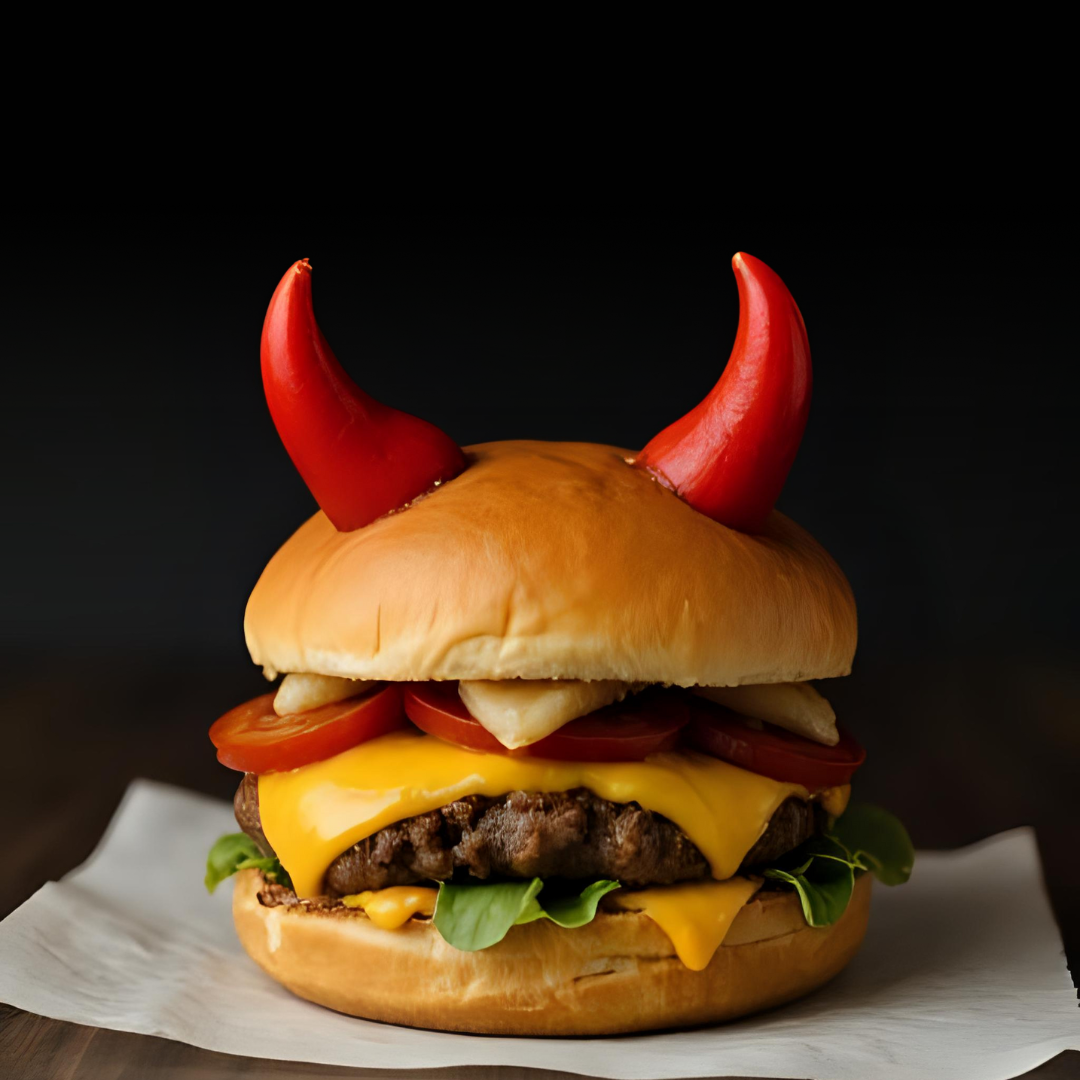
The Truth About “Bad” Foods
The truth is that most foods are safe to eat in moderation and will not instantly cause disease. Conditions like diabetes, cancer, and heart disease are influenced by multiple factors, including family history, age, lifestyle, and, yes, overall diet. But no one meal or one food item will make or break your health.
Let’s take alcohol as an example. A glass of wine or two is not likely to cause liver disease. Drinking a bottle or two regularly over many years? That’s where the risk shows up.
Heart disease also takes years to develop. It comes from consistent habits like eating a high sugar, high saturated fat diet, along with other lifestyle factors. A cheeseburger and fries with a Coke once in a while is not going to clog your arteries. Eating that meal a few times a week, every week, will raise your risk.
Diabetes is the same. If sugar alone caused diabetes, we’d see a huge surge in cases every year between Halloween and Easter. But it doesn’t work that way. Risk factors include weight, activity level, family history, and overall diet, not just the number of grams of sugar in a cupcake.
What Actually Matters
The big picture is what matters. Your overall eating pattern and consistency matter much more than the single food choices you make here and there. Eating fruits, vegetables, lean protein, whole grains, and healthy fats most of the time supports long-term health. Occasional cupcakes, fries, or soda don’t undo that.
Other lifestyle habits also play a huge role. Tobacco use, vaping, sun exposure, physical activity, sleep, and stress all affect long-term health outcomes. Genetics also plays a role. You don’t get cancer from eating one hot dog. You don’t get diabetes from eating a banana.
The Only Food You Should Fear
So what foods should you actually fear? The ones that can make you sick in the short term. The potato salad that’s been sitting out all afternoon in the sun. Leftovers that have been hanging out in the back of the fridge for over a week. That’s the food that can actually hurt you pretty quickly.
Bottom Line
Food fear is not helping anyone. It creates unnecessary stress, guilt, and restriction. Instead of worrying about whether fruit is “too much sugar” or if you should avoid carrots, focus on your overall eating habits. Long-term consistency is what matters, not the occasional indulgence.
Stop fearing food. Stop demonizing food. Focus on balance, variety, and habits you can stick with for life.