
Food Waste vs Food Loss: What’s the Difference and What Can You Do About It?
What You Can Do to Reduce Food Waste
It is estimated that a family of four loses around $1,500 each year in uneaten food. That is food that was purchased with the intention of being prepared and eaten, but never was.
And while it is easy to assume this comes from leftovers or food left on plates, that is not where most of it happens.
Yes, the container of leftovers that gets pushed to the back of the fridge and forgotten counts. But that is not the main contributor.
The bigger issue is the food that never gets used. The bag of lettuce that wilts in the crisper drawer.
The produce that sounded like a good idea at the store, but did not make it into a meal.
The pantry item that gets tossed because of a date on the package, even though it may still be perfectly fine.
Beyond the financial cost, food waste has environmental consequences. When food ends up in landfills, it contributes to methane production, a greenhouse gas that plays a role in climate change. And the contribution of food waste here is significant.
So, before getting into what to do about it, it helps to understand the difference between food loss and food waste.
Food Loss vs Food Waste
Food loss happens before food ever reaches the consumer.
This includes what happens during growing, harvesting, processing, and transportation. Weather events, pests, equipment issues, and transportation problems can all lead to food being lost before it even gets to a store.
Think about a crop damaged by a freeze, or a shipment that cannot be delivered. These are not things consumers can control.
There are also decisions made throughout the supply chain to reduce food loss, even if they seem inconvenient at first glance.
Food Loss vs. Food Waste: What’s the Difference?
Food Loss is food that is lost before it reaches stores or consumers. This can happen during farming, processing, or transportation due to weather, damage, or supply chain issues.
Food Waste is food that is thrown away at the retail or consumer level. This includes uneaten groceries, spoiled produce, or food discarded because of confusion about date labels.
Years ago, milk sold in bulk (such as at Costco) often came in two plastic jugs zip-tied together. When retailers shifted to packaging those same jugs in a cardboard box, it seemed like more packaging. I was vocal about this. However, it was explained that damaged jugs, just a nick in that plastic, contributed to significant product loss. The added protection helped reduce that loss. So what seemed like more packaging (it was more packaging) was a tradeoff to reduce losses.
Food loss is largely outside of our control as individuals.
Food waste is different.
Food waste happens at the retail level and at home.
At the store, this can include perfectly safe food that is not sold because of appearance. Slightly misshapen produce that gets pushed to the side, dented boxes, or packaging that is not visually appealing often gets left behind.
At home, food waste is what we throw away.
And this is where we have the most control.
How Expiration Dates Add to the Problem
One of the biggest contributors to food waste is confusion around food date labels.
Terms like “best by,” “sell by,” and “use by” are often misunderstood as safety dates, when they are typically indicators of quality for unopened products.
This leads to food being thrown away earlier than necessary.
I won’t cover what those dates mean because I just did a post, Food Expiration Dates: What They Really Mean (and When Food Is Still Safe). Check it out, and it can help you make more informed decisions about what to keep and what to toss.
What You Can Do to Reduce Food Waste
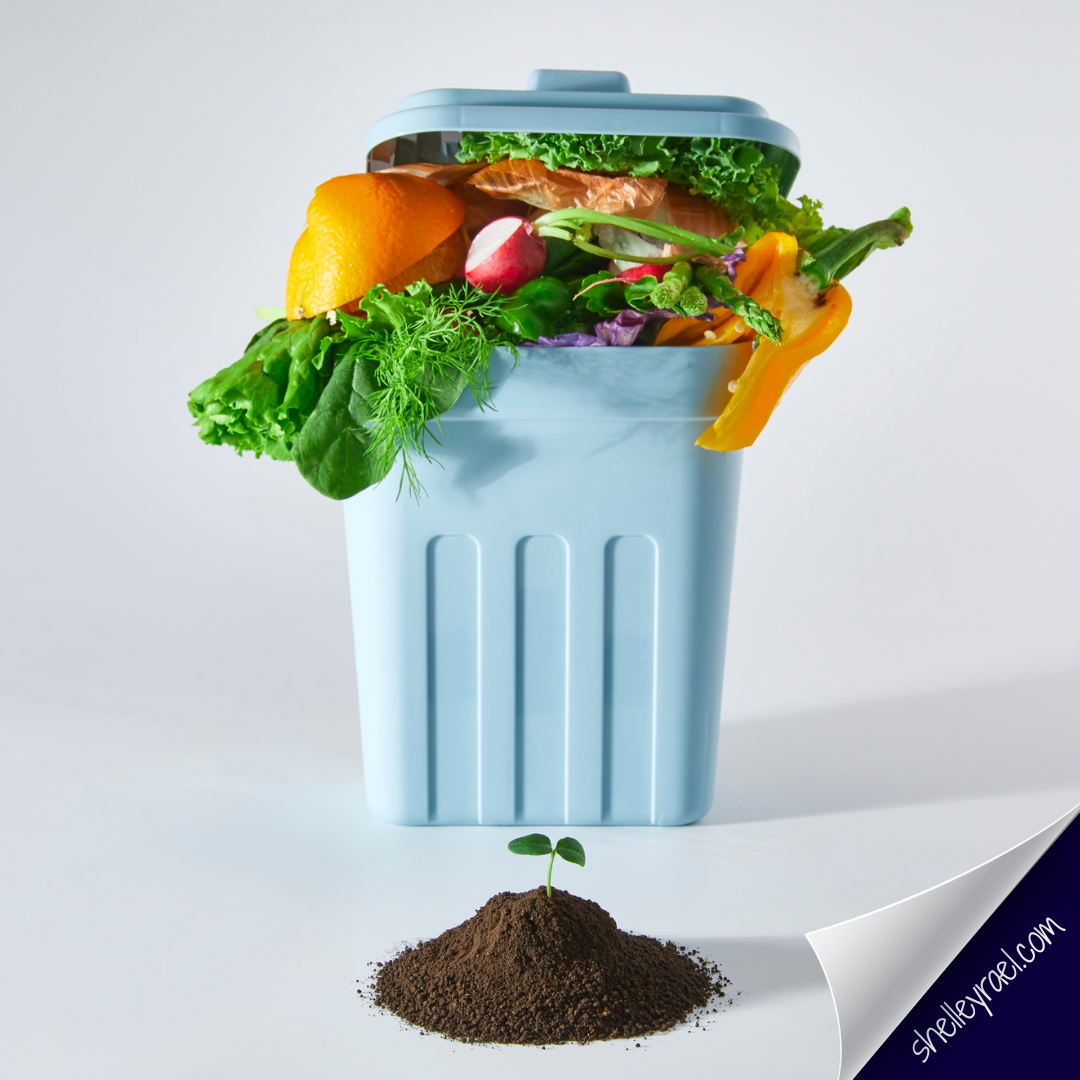
This is where small, realistic shifts can make a big difference.
1. Start with What You Have
Before heading to the store, take a look at what is already in your fridge, freezer, and pantry.
Plan meals around what needs to be used first.
This does not mean you cannot buy new items. It just means you are making use of what is already there instead of letting it go to waste.
2. Be Realistic About What You Will Use
It is easy to buy with good intentions.
A new recipe. A new ingredient. A new routine. Eating those fruits and veggies your dietitian keeps carrying on about.
But if it does not fit into your actual week, it is more likely to end up in the trash.
Buy what you will realistically use, not what you hope you might use.
I sometimes tell people to buy just one avocado, two apples, four bananas, and one bag of baby carrots. It doesn’t have to be this exactly. The point is to buy small amounts to start. Then increase purchases when you know they will be consumed.
3. Plan Meals, but Keep It Flexible
Meal planning does not need to be rigid.
Think of it as a guide rather than a strict schedule.
If something comes up and plans change, adjust. Move meals around. Use ingredients in a different way.
Flexibility helps reduce waste.
4. Adjust Portions and Cooking Habits
This is something many people experience when household sizes change.
Cooking for a family of four looks very different from cooking for one or two.
Scaling recipes down or planning for leftovers intentionally can help.
If you do make extra, have a plan for it. Lunch the next day. Or freeze it for later.
5. Use Your Freezer More Often
The freezer is one of the most effective tools for reducing food waste.
If something is getting close to not being used in time, freeze it.
This applies to meats, breads, leftovers, fruits, and even some vegetables.
Freezing extends shelf life and gives you more flexibility.
Read More: What Happens to Food When You Freeze It?
6. Store Food Properly
How food is stored affects how long it lasts.
Keeping produce in the right drawer, storing items in airtight containers, and paying attention to temperature can all help extend freshness.
A little attention here can prevent a lot of waste later.
7. Rethink “Imperfect” Foods
At the store, consider buying produce that looks a little less than perfect.
A slightly misshapen pepper or a box with a dent does not affect the quality of the food inside.
Choosing these items can help reduce waste at the retail level.
8. Compost When You Can
There will always be some food waste.
Peels, stems, cores, and other inedible parts are part of cooking.
If composting is an option, it can help reduce what goes to the landfill.
It may not work for everyone, and that is fine. The goal is to reduce waste where possible.
A Realistic Approach
There will always be some level of food waste.
No one is going to use every single item perfectly every single time.
There are times when something gets pushed to the back of the fridge and forgotten. Or when something sits in the pantry longer than expected, and it is time to let it go.
That happens.
The goal is not to eliminate waste entirely. Though that would be awesome.
It is to be more aware of where it happens and make small changes that reduce it over time.
Those small changes can add up. Financially and environmentally.
Get Started Now
Food loss and food waste are not the same, but both matter.
Food loss happens before food reaches us.
Food waste happens after.
And food waste is where we have the most influence.
By planning a little, storing food properly, understanding date labels, and being realistic about what we will use, we can reduce waste without overcomplicating things.
What are your go-to strategies for reducing food waste?
Real World Nutrition Refreshed: I am revitalizing and updating my blog archive and re-publishing it. Stay tuned as I review, update, refresh, and re-share these posts to provide you with even more valuable information on nutrition, health, and overall wellness—and keep things timely. A portion of this blog was initially posted in April 2022 and has been updated here.