
The Breakfast Blueprint: Why Protein and Fiber Matter for a Better Morning
The Breakfast Blueprint: Why Protein and Fiber Matter for a Better Morning
Breakfast is often described as the most important meal of the day.
I'm not particularly interested in arguing about whether it is the most important meal.
What I do think is more important, and useful, is talking about what makes a first meal satisfying and nourishing, whenever that first meal happens to be.
Because here's something that sometimes gets lost:
Breakfast is simply the first meal you eat after waking.
It does not have to be eggs.
It does not have to be oatmeal.
It does not have to be cereal.
And it certainly doesn't have to look like a traditional breakfast.
Want pizza? Have pizza.
Want leftovers? Those work, too.
A salad, sandwich, soup, burrito, or bowl can all be breakfast if that's what you want.
Breakfast FAQ
What makes a healthy breakfast?
A healthy breakfast provides foods you enjoy and can include protein, fiber, carbohydrates, and fats. It should also be satisfying enough to carry you comfortably to your next meal.
How much protein should you eat at breakfast?
There is no single amount that works for everyone. Including a meaningful source of protein at breakfast can help you meet your overall daily needs and make your meal more satisfying.
Why is fiber important at breakfast?
Fiber supports digestive and cardiovascular health and can help you feel full. Foods such as whole grains, fruit, vegetables, beans, nuts, and seeds are good sources.
Can you eat leftovers for breakfast?
Absolutely. Breakfast is simply your first meal after you wake up. Leftover pizza, vegetables, rice, chicken, or whatever sounds good can all be breakfast.
Is oatmeal a healthy breakfast?
Oatmeal can be a nutritious breakfast, particularly because oats provide fiber, including beta-glucan. Adding protein, fruit, nuts, or seeds can make it more satisfying.
Does breakfast have to include traditional breakfast foods?
No. No rule says certain foods belong only at lunch or dinner. A sandwich, salad, soup, burrito, leftovers, or even pizza can be breakfast if that's what you want to eat.
What matters more than whether a food is considered a "breakfast food" is whether your meal provides the nutrition, satisfaction, and staying power you need.
For many people, two nutrients to consider when building that first meal of the day are protein and fiber.
Why Protein at Breakfast Matters
Protein plays many important roles throughout the body. It helps build and maintain muscle and other tissues, supports immune function, and helps make enzymes, hormones, and other compounds your body needs.
Yet breakfast can sometimes be a meal where protein is easy to overlook. Even with protein at the forefront these days, I want to address it anyway.
Think about a “typical” breakfast of toast with jam, a pastry, or a bowl of cereal. These foods aren't "bad," but they may not provide much protein on their own.
Adding a protein source can make the meal more satisfying and help you meet your overall protein needs throughout the day.
Protein also tends to be filling, which can be helpful if you find yourself hungry again shortly after breakfast.
And if you're trying to maintain muscle as you age, spreading protein throughout the day can be a useful strategy rather than squeezing most of it into dinner.
What counts as breakfast protein?
There are plenty of options:
Eggs
Greek yogurt
Cottage cheese
Milk or soy milk
Cheese
Fish
Chicken or other meats
Beans
Lentils
Nuts and seeds
Nut or seed butters
Tofu and other soy foods
And you don't have to eat a traditional breakfast food to get protein.
A breakfast burrito with eggs and beans works.
So does leftover chicken with rice and vegetables.
So does a smoothie made with Greek yogurt or milk.
The goal isn't to create a high-protein breakfast simply because protein is currently having a moment in nutrition.
The goal is to include enough protein to support your overall needs and make the meal satisfying.
Don't Forget Fiber
Fiber is another nutrient to watch at breakfast.
And yes, fiber is a carbohydrate.
It is simply a type of carbohydrate that your body does not fully digest.
Fiber is found naturally in plant foods, including whole grains, fruits, vegetables, beans, lentils, nuts, and seeds.
Different types of fiber have different functions.
Some fibers help support regular bowel movements, while others can affect digestion, blood glucose, and cholesterol. Soluble fiber, including the beta-glucan found in oats, has been particularly well studied for its role in helping lower LDL cholesterol.
Fiber can also contribute to fullness and satisfaction.
So if your breakfast is primarily refined carbohydrates and you find yourself hungry again an hour later, adding a source of fiber may help.
What can you add for more fiber?
Try:
Oatmeal or other whole grains
Whole-grain toast
Berries or other fruit
Apples or pears
Vegetables
Beans or lentils
Chia seeds
Ground flaxseed
Nuts and seeds
And remember that you don't have to get all your fiber at breakfast.
That would be painful.
Your overall eating pattern matters.
If breakfast is low in fiber but you regularly include plenty of fiber at lunch, dinner, and snacks, that's different from an overall diet that consistently falls short.
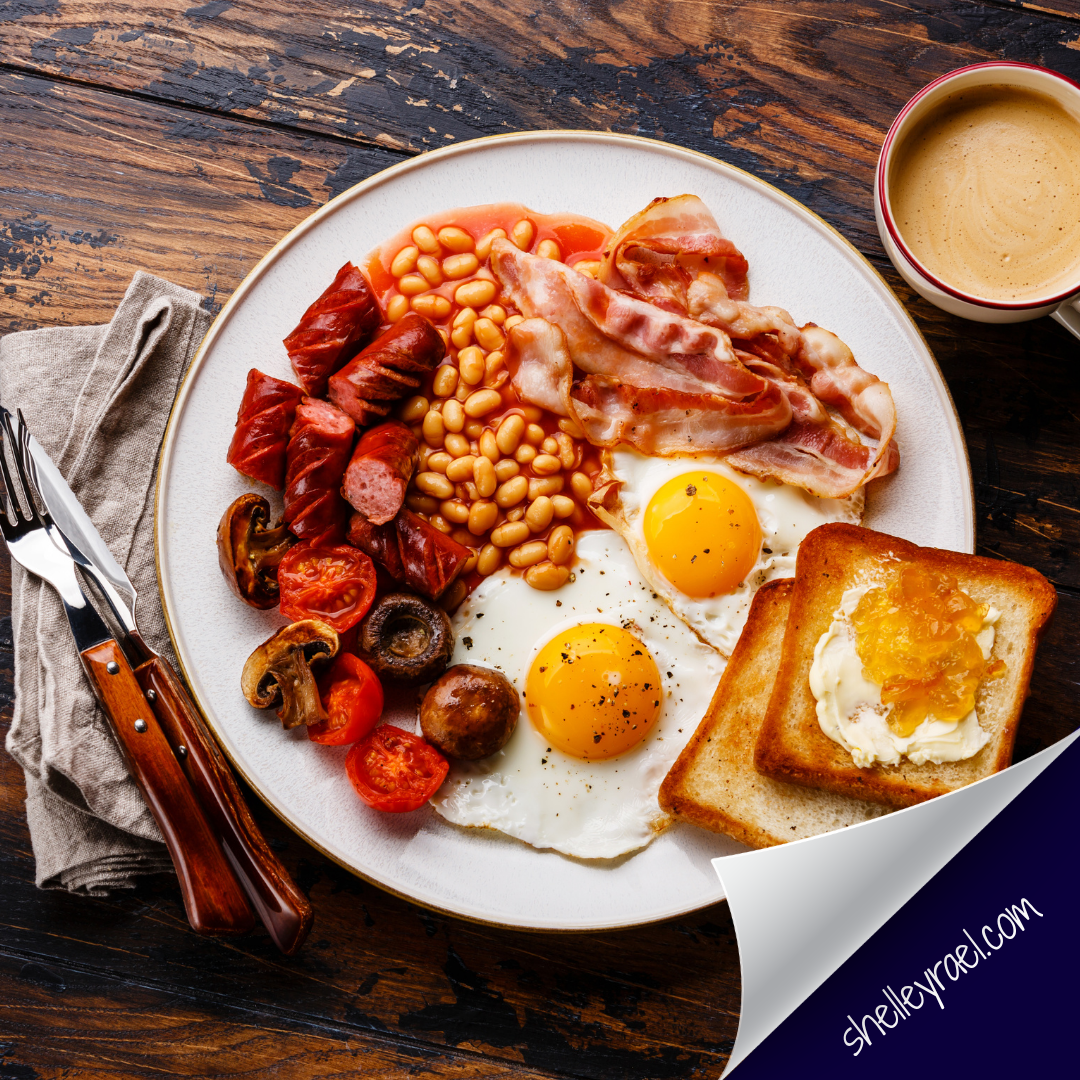
The Breakfast Blueprint
Rather than giving you a list of "healthy breakfast foods," here's a more flexible way to think about building a breakfast.
Start with a base
Your base could be almost anything.
Oatmeal.
Whole-grain toast.
A tortilla.
Potatoes.
Rice.
Fruit.
A smoothie.
A bowl of leftovers.
Or even pizza.
There is no nutrition rule that says certain foods have to wait until noon.
Add protein
Choose a protein source that works for you.
Eggs, Greek yogurt, cottage cheese, milk, soy milk, beans, lentils, nuts, seeds, fish, meat, or another protein-rich food can all fit.
Add plants and fiber
Fruit and vegetables are easy options, but whole grains, beans, nuts, and seeds contribute fiber, too.
For example:
Oatmeal + Greek yogurt + berries + ground flaxseed
Eggs + whole-grain toast + avocado + fruit
Breakfast burrito + eggs + black beans + salsa + vegetables
Greek yogurt + berries + oats + nuts
Leftover rice + vegetables + chicken or tofu
Notice that none of these has to look like the breakfast you grew up eating or the “stereotypical” breakfast.
That's okay.
What About Fat?
Fat belongs in breakfast, too.
Foods such as avocado, nuts, seeds, nut butters, eggs, and dairy products can contribute fat, along with other nutrients.
Fat also adds flavor and can contribute to satisfaction.
You don't need to eliminate fat from breakfast to make it "healthy."
In fact, trying to remove every source of fat can leave you with a meal that doesn't taste particularly good or keep you satisfied for very long.
As with everything else in nutrition, context matters.
And What About Carbohydrates?
Carbohydrates sometimes get pushed out of the breakfast plan, particularly when protein is the focus.
They don't need to be.
Your brain and body use glucose as a key energy source, and carbohydrate-containing foods can provide fiber, vitamins, minerals, and other beneficial compounds.
Whole grains, fruit, potatoes, beans, and other carbohydrate-containing foods can absolutely be part of a nourishing breakfast.
We don’t need nor want to build a breakfast that is as low in carbohydrates as possible.
It's to build a meal that works for you.
A Few Breakfast Ideas
Here are some combinations to get you thinking:
Oatmeal breakfast: Oats cooked with milk or soy milk, topped with berries, walnuts, and ground flaxseed.
Egg breakfast: Eggs with whole-grain toast, avocado, and fruit.
Yogurt breakfast: Greek yogurt with berries, oats, chia seeds, and nuts.
Breakfast burrito: Eggs, black beans, vegetables, salsa, cheese, and a whole-grain or corn tortilla.
Smoothie: Milk or soy milk, Greek yogurt, fruit, spinach, oats, and nut butter.
Leftovers: Whatever was for dinner last night that sounds good this morning.
And yes, you can have pizza.
If pizza sounds good in the morning, enjoy it. You can always add something alongside it, such as fruit or a yogurt, if that helps make the meal more satisfying.
What About Portion Size?
This is where I want to move away from breakfast “rules.”
No single portion size works for everyone.
Your needs depend on your body, activity level, appetite, health goals, and what else you eat throughout the day.
Instead of asking, "Is this portion too big?" you might ask:
Am I satisfied?
Will this meal carry me comfortably to my next meal?
Does it provide foods I enjoy?
Does it contribute to the nutrients I need?
These questions are a much better approach than following a prescribed breakfast formula.
Don't Forget Hydration
After several hours of sleep, you're also going to need fluids.
Water is an obvious choice, but coffee, tea, milk, and other beverages can also contribute to your overall fluid intake.
And no, you don't need to start every morning with a special lemon water, detox drink, or expensive wellness beverage.
Plain water works just fine.
Breakfast Does Not Have to Be Perfect
Your breakfast does not need to check every nutritional box every morning.
Some mornings you may have time to cook eggs, chop fruit, and make oatmeal.
Other mornings, you're running out the door with a piece of toast and a banana.
That's life.
The goal isn't to create a breakfast that looks like a nutrition textbook every day.
Instead, think about the overall pattern.
If most of your meals provide a variety of foods and regularly include sources of protein, fiber, fruits, vegetables, whole grains, and healthy fats, you don't need to stress over whether every single meal is nutritionally complete.
Build the Breakfast That Works for You
A better breakfast isn't necessarily a breakfast that looks "healthier."
It is a breakfast that works for your body, your preferences, your schedule, and your overall eating pattern.
Protein can help make a meal satisfying and help you meet your daily protein needs.
Fiber supports digestive and cardiovascular health and can contribute to fullness.
Carbohydrates provide energy and can bring valuable nutrients and fiber to the meal.
Fats contribute flavor, satisfaction, and important nutrients.
And fruits and vegetables bring even more variety, fiber, vitamins, minerals, and beneficial plant compounds.
Put those pieces together in whatever combination works for you.
Maybe it's oatmeal.
Maybe it's eggs and toast.
Maybe it's a smoothie.
Maybe it's last night's leftovers.
Or maybe it's pizza.
There is no breakfast police.
The point isn't to create a perfect breakfast.
It's to create a breakfast that helps you start your day fed, satisfied, and ready to get on with your life.
Real World Nutrition Refreshed. As nutrition science and perspectives evolve, older blog posts are occasionally updated and republished. This post was originally written in September 2023 and has been refreshed and expanded here.