Brain Health: What Does Your Brain Actually Need to Stay Healthy?
Brain Health: What Does Your Brain Actually Need to Stay Healthy?
We are living longer than ever, and that means we need to consider what happens as we age, including what happens to our brains.
It is one thing to think about living longer. It is another to think about living well for those extra years.
For many people, that means staying physically active, independent, socially connected, and able to think, learn, remember, make decisions, and enjoy life. It also means thinking about conditions that can affect the brain as we age, including stroke, dementia, Alzheimer’s disease, and Parkinson’s disease.
FAQ: Brain Health
What is brain health?
Brain health is the ability of your brain to function well across your lifetime, including thinking, learning, memory, movement, communication, emotions, and decision-making.
What foods are good for brain health?
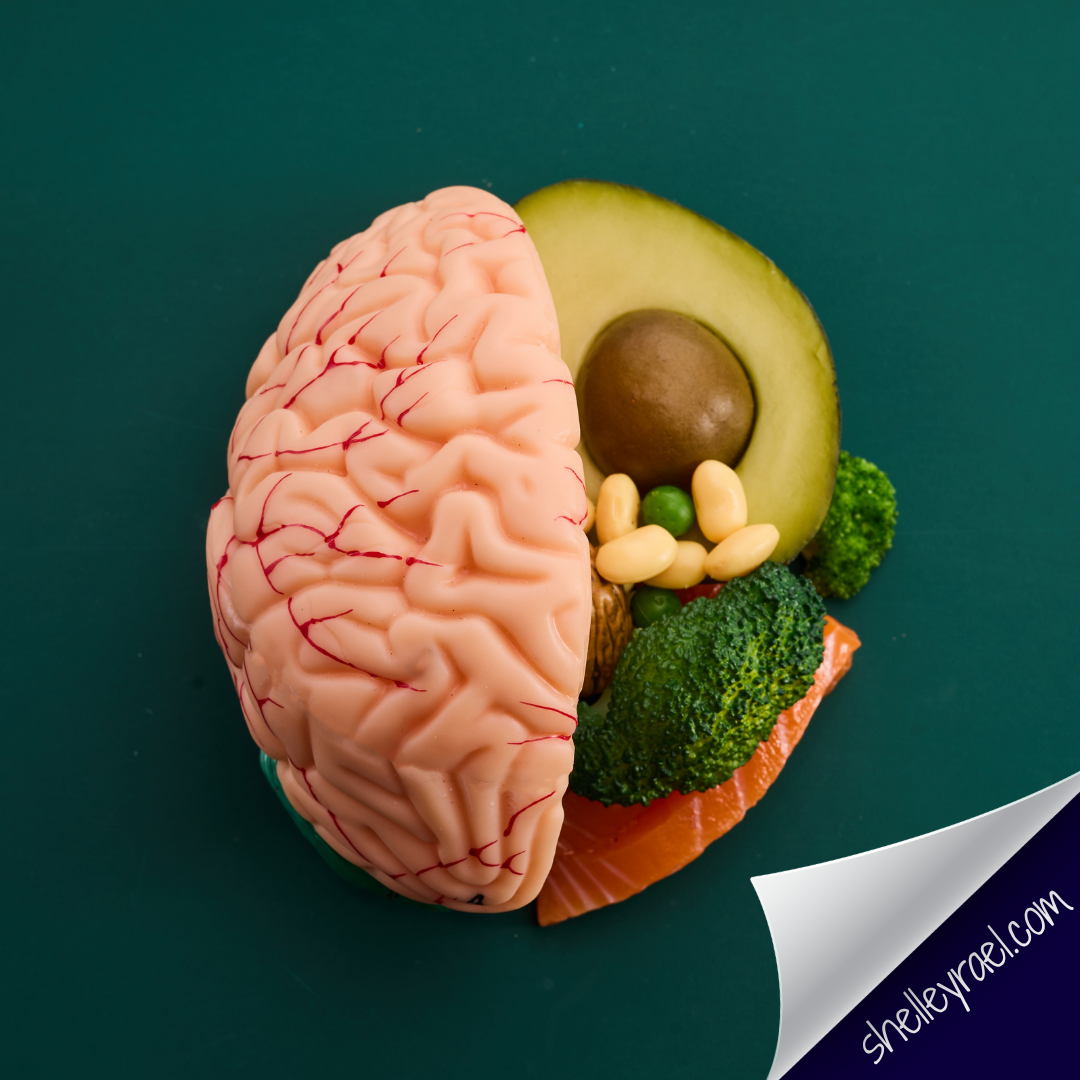
There is no single "brain food." A varied eating pattern that includes fruits, vegetables, whole grains, beans, nuts and seeds, seafood, and other protein sources provides nutrients that support the brain and overall health.
Does exercise help brain health?
Yes. Regular physical activity supports brain health and may reduce the risk of cognitive decline. Exercise also supports cardiovascular health, which is closely connected to brain health.
How does sleep affect the brain?
Sleep supports memory, learning, attention, mood, and other important brain functions. Consistently getting enough quality sleep is an important part of brain care.
Can you reduce your risk of dementia?
Some risk factors for dementia can be modified. Physical activity, a nutritious eating pattern, managing blood pressure and diabetes, avoiding tobacco, getting adequate sleep, staying socially connected, and addressing other health risks may help reduce risk. However, healthy habits cannot guarantee that someone will avoid dementia.
Does cardiovascular health affect brain health?
Yes. Your brain depends on healthy blood vessels and adequate blood flow. Conditions such as high blood pressure, diabetes, high cholesterol, and cardiovascular disease can increase the risk of stroke and may also contribute to cognitive decline.
So what does your brain, not just your body, actually need to stay healthy?
The answer is considerably more complicated than eating a handful of blueberries every day.
First, What Exactly Is Brain Health?
We tend to think of the brain as the organ responsible for thinking and memory, but it does much more than that.
Your brain helps control movement, balance, speech, vision, hearing, emotions, learning, memory, decision-making, sleep, and many of the automatic functions that keep you alive. It works closely with the rest of your nervous system and communicates constantly with the rest of your body.
And it is metabolically demanding.
The brain makes up only about 2% of your body weight, yet it uses roughly 20% of the body's oxygen and energy. It needs a constant supply of oxygen and nutrients delivered through the blood.
That gives us perspective on brain health.
What is good for your brain is often also good for the rest of your body.
The World Health Organization defines brain health broadly, including cognitive, sensory, social-emotional, behavioral, and motor functioning across the life course. In other words, brain health is not simply about avoiding dementia. It is about supporting the brain's ability to function throughout your life.
Your Brain Needs Nourishment, Not a "Brain Food"?
The brain needs energy, fluids, vitamins, minerals, fatty acids, amino acids, and other compounds supplied through your overall diet.
That does not mean you need a special brain-health diet or a collection of expensive supplements.
A varied eating pattern that regularly includes foods such as fruits, vegetables, whole grains, beans, nuts and seeds, seafood, and other protein sources can provide the nutrients your brain needs while also supporting cardiovascular and metabolic health.
Boring – but that’s a fact.
We often talk about individual foods as though one food can dramatically change our health. Nutrition generally does not work that way.
Your brain is not waiting for the next "superfood."
It needs a consistent supply of energy and nutrients, along with adequate blood flow, oxygen, hydration, and everything else that supports the body as a whole.
I will elaborate on specific foods and dietary patterns later in this series.
Your Brain Needs Movement?
People often discuss exercise in terms of heart health, muscle strength, bone health, or maintaining a healthy weight.
Your brain benefits, too.
Regular physical activity is associated with better cognitive health and a lower risk of dementia. It also helps reduce the risk of cardiovascular disease, stroke, type 2 diabetes, and high blood pressure, all of which are relevant to brain health.
And "exercise" does not have to mean a particular workout.
Walking, cycling, swimming, dancing, gardening, strength training, recreational activities, and other forms of movement all count.
Another reason this connection matters: your brain depends on a healthy cardiovascular system to deliver blood and oxygen.
A healthy heart and healthy blood vessels are part of caring for your brain.
Your Brain Needs Sleep?
Sleep is not simply a time when your brain shuts down.
It really goes into “sleep mode.”
Your brain remains active during sleep, and both REM and non-REM sleep play roles in memory and other brain functions. Adequate sleep supports learning, memory, attention, decision-making, mood, and problem-solving.
Poor sleep can also affect the rest of your health, including blood pressure, heart health, blood sugar regulation, and mood.
So, if brain health is on your list of reasons to prioritize sleep, that is a reasonable one.
Your Brain Needs Challenge and Connection?
The brain is not just an organ that needs to be fed and exercised physically.
It also benefits from being used.
Learning something new, reading, playing music, solving problems, practicing a skill, having meaningful conversations, and engaging in activities that require attention and thought can all keep the brain active. I like to knit, color, and do puzzles, and I also try to learn a new skill every year. I don’t need to master it, but I do learn and try something new.
Social connection matters, too.
Brain health depends on more than what happens inside the skull. The WHO includes lifelong learning and social connection among the factors that influence brain health across the life course.
That does not mean you need to constantly be learning a new language or doing crossword puzzles to "prevent dementia."
It means that your brain is part of your life, not a separate project.
Stay curious. Try things. Talk to people. Learn. Participate.
Your Brain Needs Protection?
Some threats to brain health are more immediate than the gradual changes associated with aging.
Protecting your head from injury matters. Wearing a helmet when appropriate, using seat belts, preventing falls, and taking reasonable safety precautions can reduce the risk of traumatic brain injury.
And then there is stroke.
A stroke occurs when blood flow to part of the brain is blocked or when a blood vessel in the brain ruptures. Either situation can damage or kill brain cells. Stroke can result in permanent brain damage, disability, or death.
Knowing the signs of stroke and getting emergency care quickly matters because treatment is time-sensitive. Sudden weakness or numbness, trouble speaking or understanding speech, sudden vision problems, dizziness or loss of balance, and a sudden severe headache can all be warning signs.
Your Brain Needs Your Heart and Metabolic Health, Too?
This may be one of the most important takeaways from this series.
Brain health and cardiovascular health are not separate entities.
High blood pressure, diabetes, high cholesterol, smoking, physical inactivity, and other cardiovascular risk factors can affect the blood vessels that supply the brain.
Diabetes, for example, can damage blood vessels and increase the risk of heart disease and stroke.
Regular physical activity, a nutritious eating pattern, adequate sleep, not smoking, and managing conditions such as high blood pressure and diabetes can support both cardiovascular and brain health. Current WHO dementia-risk-reduction guidance takes this kind of multidimensional approach rather than focusing on one isolated behavior or food.
What About Alzheimer's, Dementia, and Parkinson's Disease?
This is where brain health topics can become confusing.
Brain health is not the same thing as preventing every brain or neurological disease.
Alzheimer's disease is a brain disease and the most common cause of dementia. Dementia describes a decline in cognitive function that interferes with daily life, and it has multiple causes.
Parkinson's disease is also a brain-related neurodegenerative disease. It affects nerve cells in parts of the brain, including the substantia nigra, which plays an important role in movement.
And stroke is different again. It is an acute event caused by interrupted or ruptured blood flow in the brain.
These conditions have different causes and risk factors, and healthy habits cannot guarantee that someone will avoid them.
But that does not mean there is nothing we can do.
Research increasingly supports addressing multiple modifiable factors across the life course to reduce the risk of cognitive decline and dementia. That includes physical activity, healthy eating, managing cardiovascular and metabolic health, avoiding tobacco, limiting harmful alcohol use, maintaining social connection, getting adequate sleep, and addressing other health and environmental factors.
So, What Does Your Brain Actually Need?
It needs more than a single food.
It needs:
Nourishment: A varied eating pattern that provides energy, nutrients, fiber, and fluids.
Movement: Regular physical activity that supports both brain and cardiovascular health.
Sleep: Enough quality sleep to support memory, learning, mood, and daily function.
Mental stimulation: Opportunities to learn, think, create, solve problems, and stay curious.
Social connection: Meaningful relationships and participation in your community.
Protection: Reasonable steps to prevent head injuries and recognize emergencies such as stroke.
Cardiovascular and metabolic care: Attention to blood pressure, cholesterol, blood glucose, diabetes, and heart health.
Healthy environments: Reducing exposure to hazards and having access to safe places to live, move, work, and connect.
Healthcare: Preventive care, appropriate screening, treatment of health conditions, and attention to changes in cognition or neurological function.
And perhaps most importantly, your brain needs these things over time.
No single meal guarantees brain health. No supplement can erase years of unhealthy habits. There is no one exercise, puzzle, beverage, or "superfood" that does all the work.
Brain health is so much more ordinary than that.
It is the collection of things we do to take care of ourselves, our bodies, and our brains throughout our lives.
And that is actually good news.
Because taking care of your brain does not require a completely different approach to health.
It means paying attention to the same foundational things that support your health in general, and giving your brain priority too.
Sources and further reading: