
Five Foods for a Healthy Heart
Five Foods for a Healthy Heart
Heart disease remains a leading cause of illness and death (#1 for both men and women) in the United States, but it does not come down to a single food or nutrient. Heart health is shaped by patterns over time. What we eat, how we move, whether we smoke, how we manage stress, and access to care all matter. This is independent of family history or genetics, which often has less impact than people realize, at least compared to these lifestyle choices.
Rather than focusing on long lists of foods to avoid, I prefer to look at what can be added to an overall eating pattern. Adding supportive foods, foods that help our heart, creates flexibility and sustainability, which actually helps people stick with changes. And, it also means we don’t have to beat ourselves up for having something perceived as being “off limits.” People tend to prefer it when I say which foods to add rather than which to cut out.
The foods I list here are not magic. They work best as part of a broader lifestyle that includes regular physical activity, not smoking, limiting or abstaining from alcohol use, and eating in ways that support overall health. In reality, these foods are not just good for our hearts but for many aspects of overall health, including reducing the risk of certain cancers, lowering blood pressure, and managing diabetes risk.
So here are my top five foods to include at least weekly, if not several times a week, for heart health.
Oats
Oats have been studied for decades, particularly for their role in cholesterol management. One cup of cooked oatmeal provides about four grams of fiber, including beta-glucan, a soluble fiber linked to improvements in LDL cholesterol.
The marketing campaigns that brought oats into the spotlight years ago still hold up 40+ years later. Beta-glucan helps slow digestion and interferes with cholesterol absorption, which is one reason oats are associated with heart health benefits.
Oats are also affordable and accessible. Large containers often provide a month’s worth of servings for a few dollars – or less than $10 in most cases – making them among the most budget-friendly whole grains available. Yes, oats are a whole grain. And, no, these don’t need to be the whole oat groats or ones that take an hour to cook – the 5-10 minute cook kind are just as good and can be used for overnight oats.
READ MORE: Fiber 101: Soluble, Insoluble, Functional Fiber, and Resistant Starch
A common concern is that oatmeal does not feel filling enough. This usually has less to do with the oats themselves and more to do with what is missing. Pairing oatmeal with a source of protein or fat, such as peanut butter, nuts, seeds, or yogurt, helps increase satiety and keeps hunger from returning too quickly. Trust me, this helps immensely.
Nuts
Nuts are another food linked to cardiovascular health, largely due to their unsaturated fats, fiber, and phytochemicals. Research supports a qualified health claim stating that “eating about 1.5 ounces of most nuts per day may reduce the risk of heart disease when they are part of a diet low in saturated fat and cholesterol.”
The wording of this claim matters. The evidence suggests benefit, but it does not guarantee protection. Nothing is guaranteed…. Nuts cannot counterbalance smoking, inactivity, or an overall eating pattern that does not support health. In other words, nuts aren’t going to “fix” poor choices.
It also matters that this claim applies to nuts themselves, not foods that simply contain nuts. A package of mixed nuts may carry the claim, but a candy bar with nuts does not. Hey, it may seem obvious, but I’ve been doing this a while. I love baklava made with walnuts, but those walnuts with the other ingredients kind of miss the point. Walnuts are still good, but the added sugar in this case significantly dilutes the benefit
How can you include nuts throughout the week? Add them to oatmeal or salads, use nut butter on toast, or keep a small portion on hand for snacks. Portion awareness matters, but restriction is not required. Generally, 1.5 ounces is around a handful or ¼ cup, but it varies by the nut. Keep in mind that it’s “handful,” not handfuls.
Fatty Fish
Fish recommendations often emphasize lean protein, but fatty fish are an important exception. Fatty fish provide omega-3 fatty acids, which are associated with reduced inflammation and improved cardiovascular markers (like our lipid levels).
Salmon, mackerel, anchovies, sardines, herring, and tuna are common examples. A simple way to remember these options is that many are available canned, which also makes them more affordable and shelf-stable. This does not mean you must choose canned, but it can help you remember which ones are rich in omega-3s.
Current guidance generally recommends about two servings of fish per week, or roughly eight ounces total. Most people fall short of this amount.
Concerns about mercury are common, but for most adults, the benefits of eating fish outweigh the risks. Fish higher in mercury tend to be larger and longer-lived species that most of us don’t often see, at least in the U.S. I have never seen a tilefish and wouldn’t even know where to find one, so not a problem. Choosing a variety of lower-mercury options allows people to benefit without unnecessary avoidance.
READ MORE: Seafood Myths: Mercury, Fresh vs. Frozen, and Farmed vs. Wild Caught
Avocados
The idea that lower fat automatically means better heart health has been replaced with a more nuanced understanding. The type of fat matters. And, this has been known for quite some time.
Avocados provide monounsaturated fats, along with fiber, potassium, and other nutrients that support cardiovascular health when included as part of a balanced eating pattern.
They can be used in both savory and sweet dishes. Guacamole is a familiar option, but avocados also work well blended into spreads, salads, or even desserts. Using avocado in place of higher-saturated-fat fats can shift a meal's overall fat profile without sacrificing satisfaction. Those avocado toast people knew what they were doing.
Beans and Legumes
Beans and legumes often get overlooked, despite their strong nutrition profile. They are rich in fiber, low in saturated fat, and provide plant-based protein. Beans are a true nutrition powerhouse.
Fiber from beans supports heart health by helping lower cholesterol levels and contributing to fullness, which may support weight management for some people.
Beans are also among the most affordable protein sources available. Canned beans are convenient and can be drained and rinsed to reduce sodium. Dried beans require more preparation but are often even more cost-effective.
Beans do not need to replace meat entirely to be helpful. Using them to stretch meals, such as adding beans to soups, salads, or mixed dishes, can reduce reliance on more expensive proteins while supporting heart health.
Putting It All Together
No single food determines heart health. What matters most is the overall pattern and whether it is realistic and sustainable.
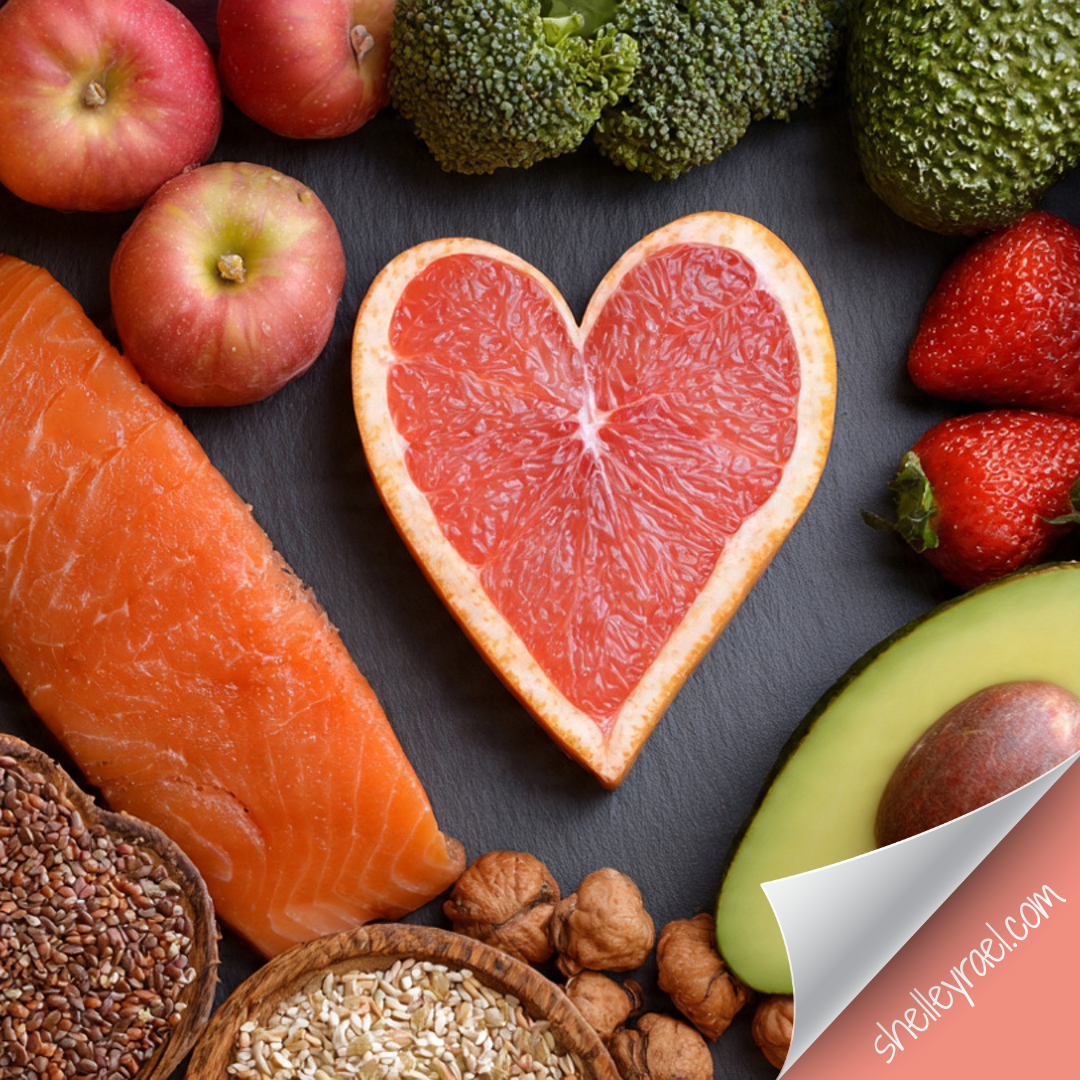
Adding oats, nuts, fatty fish, avocados, and beans can help with cardiovascular health while still allowing flexibility and enjoyment. These foods fit into many cultural eating patterns and budgets, which is critical for long-term implementation, integration, and success.
If you are ready to view your eating habits through a heart-health lens that considers your whole life, not just nutrients on paper, support can help. A personalized approach can identify where small, meaningful changes make the biggest difference.
If you would like to talk through your goals and concerns, you can schedule a free introductory call to get started.
Real World Nutrition Refreshed: I am revitalizing and updating my blog archive and re-publishing it. Stay tuned as I review, update, refresh, and re-share these posts to provide you with even more valuable information on nutrition, health, and overall wellness—and keep things timely. A portion of this blog was initially posted on February 7, 2023, and has been updated here.